
Official Writes to Congressman Joseph Moakley Warning That 30-Year Groundwater Treatment Plant Near Dean Street and Route 1 Will Depress Home Values
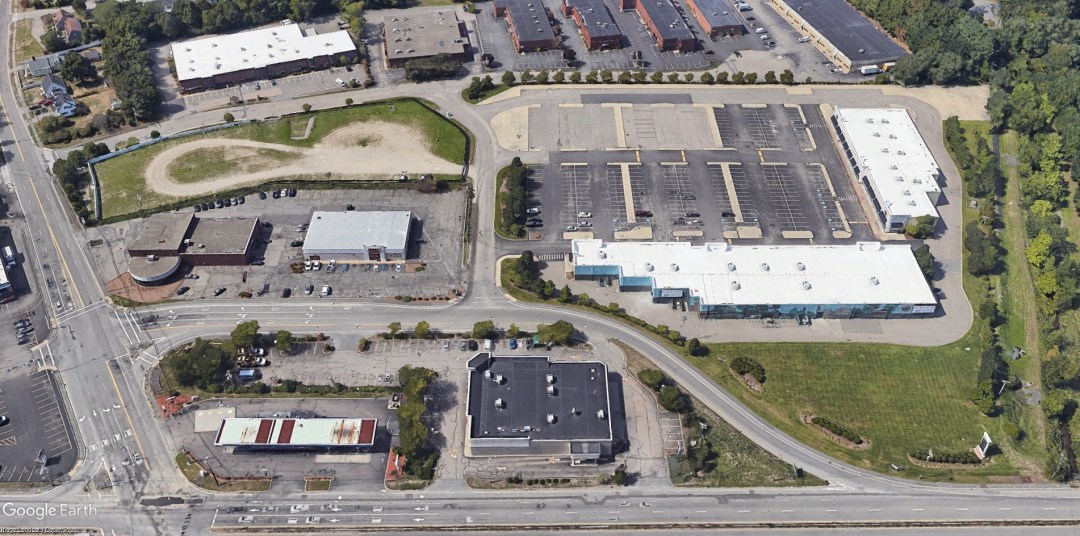
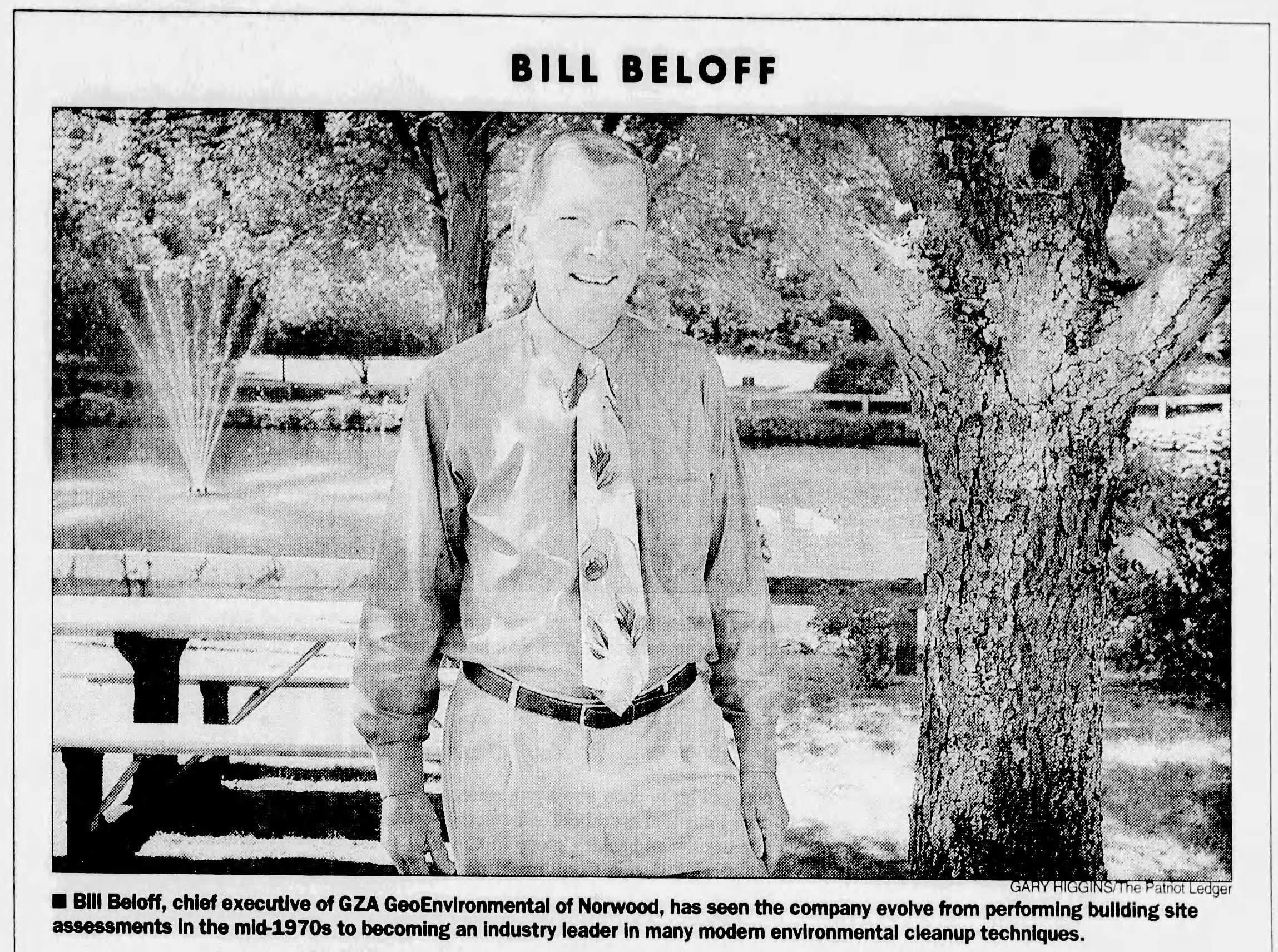
NORWOOD – Norwood Town Manager John Carroll launched a fiery public protest against the U.S. Environmental Protection Agency (EPA) in November 1993, condemning the federal agency’s planned $20 million, 30-year cleanup of a major polychlorinated biphenyl (PCB) contamination site near Dean Street and Route 1 as an unnecessary bureaucratic expense that would devastate neighborhood property values. Reported by Patriot Ledger staff writer Pedro Pereira on Thursday, November 18, 1993, Carroll outlined his opposition in a blunt letter to U.S. Representative Joseph Moakley—whose district included Norwood—following a meeting with federal environmental officials the previous week.
To illustrate how a decades-long groundwater pumping facility would scare away prospective homebuyers in the surrounding neighborhood, Carroll opened his letter to Moakley with a pointed fictional exchange between a buyer and a local homeowner:
Prospective house buyer: “I love your house and we’ve settled on the price. By the way, what’s that building over there?” Homeowner: “Oh that? That’s just a building pumping contaminated water out of the ground. But don’t worry. It’ll be gone by the time your kids are out of the house and married.” Prospective house buyer: “See ya later.”
Carroll argued that the EPA’s remediation blueprint—scheduled to begin the following summer at a site widely regarded as the worst PCB dump in New England—was wholly disproportionate to any proven human health risk. The federal plan called for treating both soil and groundwater across the 25-acre contaminated tract, constructing an on-site water-treatment plant to pump groundwater through 18 wells and purify it to drinking-water standards, and decontaminating the Grant Gear Works Inc. building, which occupied nine of the 25 acres. Several electrical equipment firms had operated on the property during the 1940s and 1950s, using PCBs as coolants in electrical transformers and capacitors before the chemicals were banned in the 1970s.
In unsparing language, Carroll challenged federal regulators to justify spending millions of taxpayer dollars on a chemical he claimed “is no more harmful to my health than corn flakes and milk,” asserting that no one in the United States had died or fallen ill from PCB exposure. “Please tell me that I’m wrong,” Carroll wrote to Moakley. “Please show me evidence from the Centers for Disease Control that conclusively shows that people, or animals, are getting sick and are dying from contact with PCBs, and I’ll publicly apologize. I rather think you cannot produce evidence, because none exists.” Carroll added that if PCBs truly posed an acute danger, the EPA had acted irresponsibly by waiting a full decade after discovering the contamination to launch a cleanup—a delay during which public concern had largely subsided until the agency announced plans to build a treatment plant directly beside residential neighborhoods. He urged Congress to hold oversight hearings weighing the actual risks of PCBs against the economic harm inflicted on Norwood homeowners unable to sell their properties.
EPA project manager Robert Cianciarulo, who was tapped to oversee the Norwood Superfund remediation, responded that federal regulators had classified PCBs as probable human carcinogens based on extensive laboratory animal testing, while noting that PCBs were also known to cause severe acne (chloracne), skin lesions, and liver disorders in humans. Cianciarulo stated he was unaware of conclusive human mortality studies to date and referred further medical questions to EPA toxicologist Ann Marie Burke, who declined comment Tuesday due to schedule constraints. Congressman Moakley’s press secretary, Jim McGovern, could not be reached for comment.
At the Norwood Board of Selectmen’s Tuesday night meeting, Chairman Gary Lee strongly endorsed Carroll’s protest, noting that previous municipal letters to federal lawmakers had gone unanswered. “It’s a very strong letter,” Lee told Carroll. “I happen to agree with you very much. It’s horrendous what is going on down there.”
1993 EPA Superfund Cleanup Cost Adjusted to 2026 Dollars & Site Legacy
Inflation-adjusted using U.S. Bureau of Labor Statistics CPI data ($1.00 in Nov. 1993 ≈ $2.27 in 2026)
| 1993 Federal Environmental Remediation Project | 1993 Estimate | 2026 Equivalent |
|---|---|---|
| Norwood PCBs Superfund Site Soil & Groundwater Cleanup (Dean St. & Route 1) | $20,000,000 | ~$45,400,000 |
Archival Note: This article has been dynamically reconstructed from the original public record print archives of the Patriot Ledger
More…
-
Moderna Opens New Manufacturing Site in Norwood-July 17, 2018
200,000 Square Foot State-of-the-Art Plant Built to Support Development of mRNA Medicines Moderna Therapeutics, a clinical-stage biotechnology company pioneering messenger RNA (mRNA) therapeutics and vaccines to create a new generation of transformative medicines for patients, today announced the opening of its state-of-the-art manufacturing facility in Norwood, Massachusetts. The digitally-enabled and environmentally sustainable 200,000-square-foot clinical development…

-
Moderna Therapeutics to Establish Manufacturing Facility in Norwood-October 7, 2016
Campanelli, a company specializing in commercial real estate development, acquisition, and construction management, in collaboration with the private equity firm TriGate Capital, has recently announced a significant development. A 15-year, full-building lease agreement with renewal options has been signed with Moderna Therapeutics at Upland in Norwood. Moderna intends to establish an mRNA clinical manufacturing facility…
-
GZA GeoEnvironmental Rises as a National Leader in Environmental Remediation-August 23, 2006
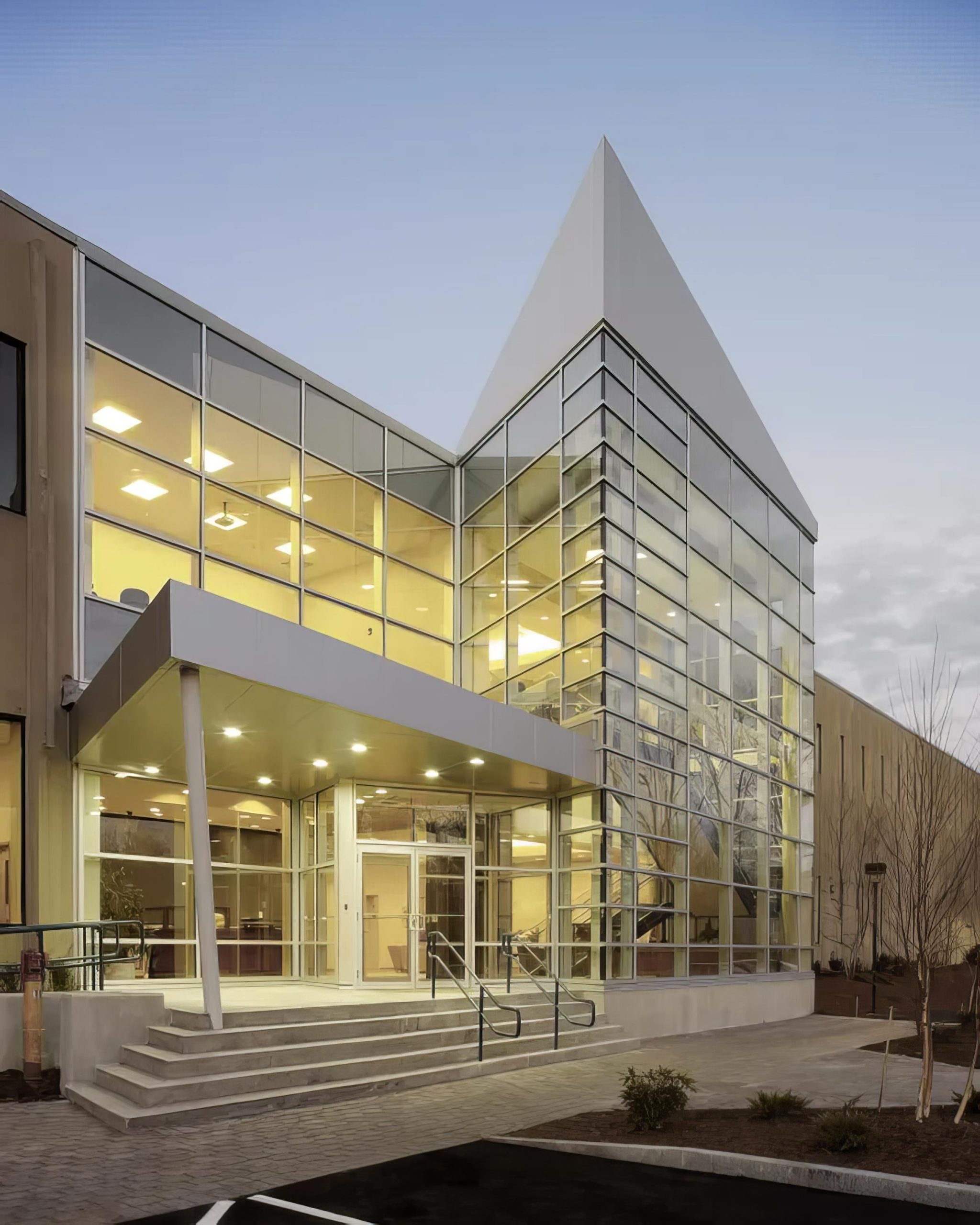
Led by CEO Bill Beloff, Norwood-based GZA GeoEnvironmental has grown into a 500-person national leader in environmental remediation, brownfield redevelopment, and risk-based cleanup techniques.
-
Norwood Town Manager John Carroll Blasts $20 Million EPA PCB Cleanup Plan as a “Waste”-November 18, 1993
In a November 1993 letter to Congressman Joseph Moakley, Norwood Town Manager John Carroll protested the EPA’s $20 million, 30-year PCB groundwater cleanup near Dean Street and Route 1, warning it would depress neighborhood home values.
-
Norwood Firms Lead South of Boston in Ozone-Depleting Chemical Releases-September 12, 1991
EPA figures show Norwood leading communities south of Boston in ozone-depleting freon and methyl chloroform emissions, driven largely by electronics and defense contractors.

-
Officials Unveil $16 Million Cleanup Plan for PCB-Contaminated Property on Route 1-August 10, 1989
Nine-Year Investigation Yields Three-Phase Strategy to Address New England’s Worst PCB Contamination at Audubon Road Site, with Public Hearing Scheduled at Town Hall Federal and state officials are unveiling a $16 million strategy tonight to clean up the severely PCB-contaminated Grant Gear property on Route 1. The public information session will be held at 7:30…
-
State Identifies Seven New Hazardous Waste Sites in Norwood, Bringing Total to Eight-September 25, 1986
State DEQE list identifies seven new hazardous waste and petroleum release sites in Norwood, including DDT contamination at the former Winslow Tannery on Endicott Street.

-
Mosquitoes Taking a Bite Out of Summer Fun-August 2, 1986
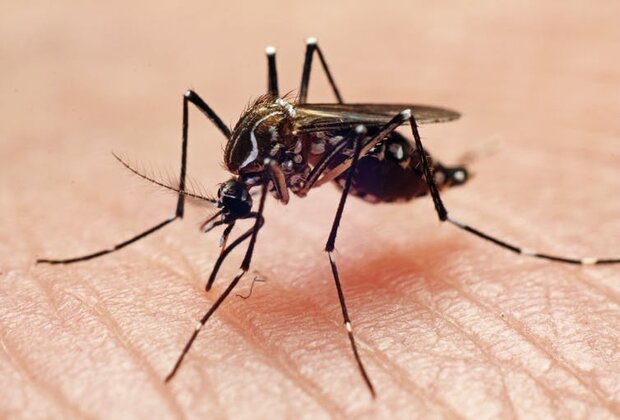
A heavy surge of rain-hatched mosquitoes flooded Norwood, Dedham, and Needham, sparking over 100 complaints per day to the Norfolk County Mosquito Control Project.
-
Norwood High School Implements Total Smoking Ban-July 3, 1985
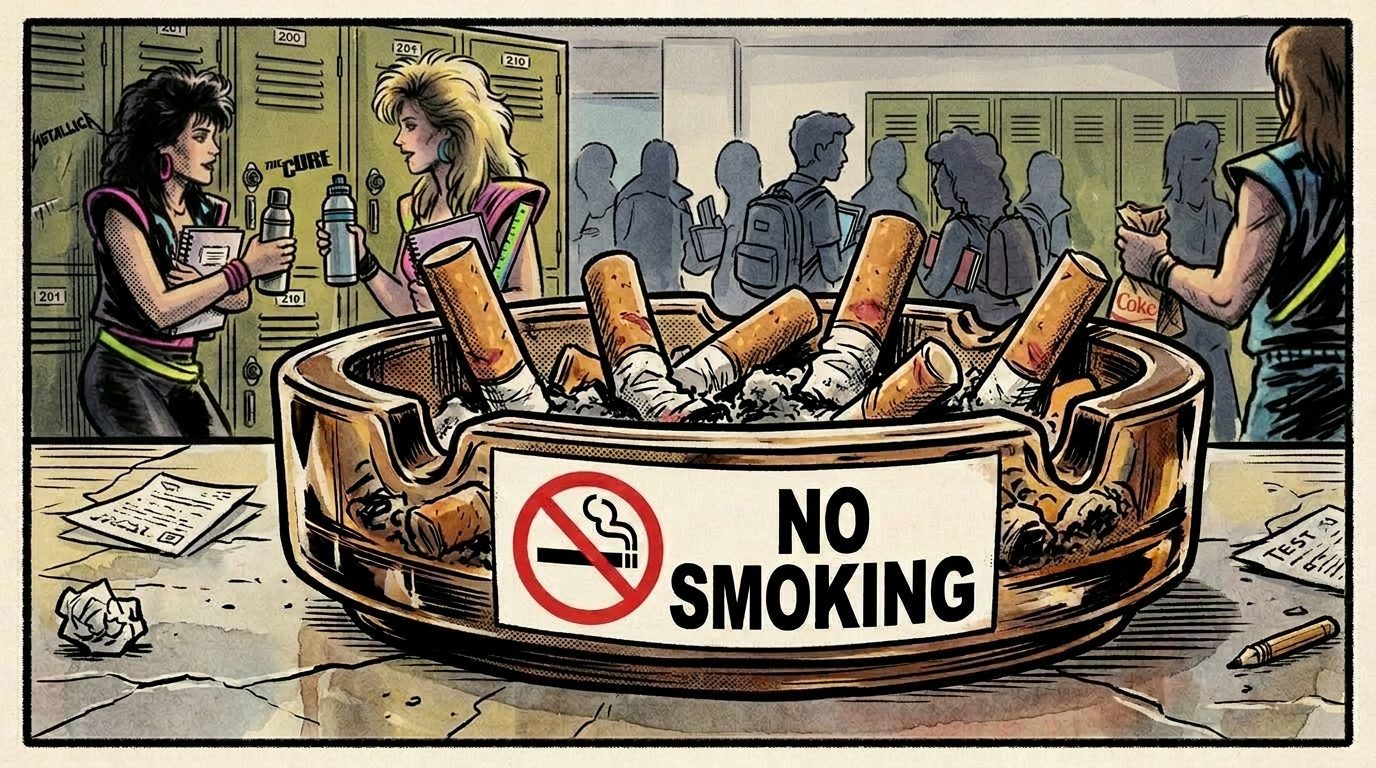
In July 1985, the Norwood School Committee unanimously approved a total smoking ban at Norwood High School to begin in September, prioritizing the health of its students.
-
Phyllis Boucher Succeeds Longtime Director Bartley J. King as Health Director-September 14, 1983
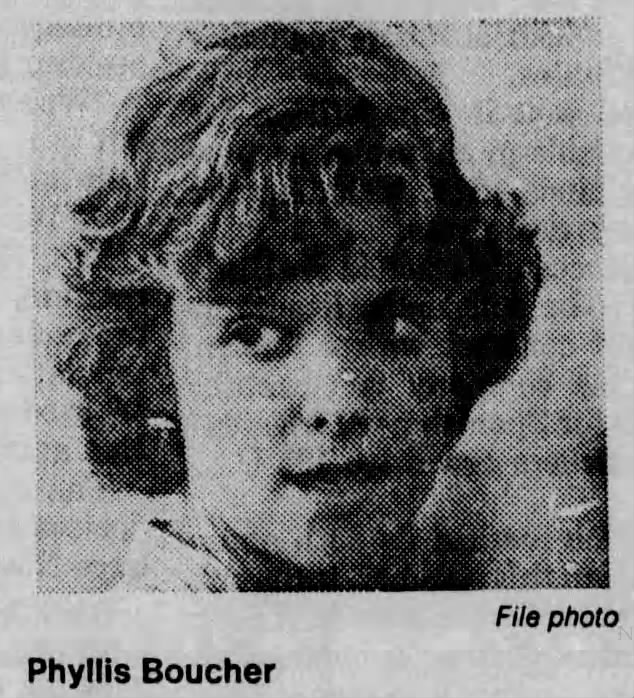
Phyllis Boucher is hired as Norwood’s new public health director, succeeding longtime administrator Bartley J. King as a civil service dispute heads toward a Sept. 26 hearing.
Discover more from Norwood Historical Society
Subscribe to get the latest posts sent to your email.