
Norwood Reaches Agreement with State to Reduce Sewer Flow
The town of Norwood, nestled in the heart of Massachusetts, was on the cusp of a significant transformation in July 1983.
⠀
The Patriot Ledger, a local newspaper, reported that Attorney General Francis X. Bellotti had announced an agreement with town officials to comply with a joint administrative order issued by the Metropolitan District Commission (MDC) and the state’s Division of Water Pollution Control.
This order was a direct result of concerns raised by the state Department of Environmental Quality Engineering, which had been monitoring the town’s sewer system. The department had expressed worries about the excessive flow of untreated sewage into the Nut Island Sewage Treatment Plant in Quincy, which ultimately discharged its effluent into Boston Harbor. The situation had become so dire that the department had asked Francis X. Bellotti to take legal action against Norwood for failing to implement a partial moratorium on new sewer hookups.
However, through a series of negotiations between Assistant Attorney General Anne Rogers and town officials, an agreement was reached that would avoid a lawsuit. The terms of this agreement were outlined in the joint administrative order, which required Norwood to remove 300,000 gallons of flow from its sewer lines by September through repair work and the removal of sump pumps that had been illegally connected to the system.
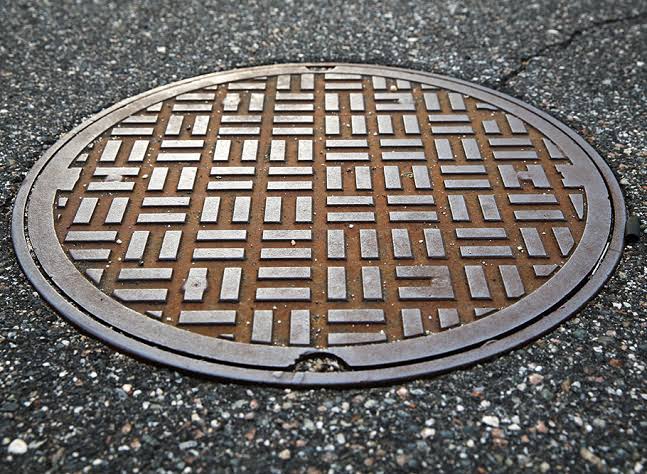
The town’s Town Manager, John J. Carroll, was confident that they could meet these conditions without any significant impact on future construction in Norwood. In fact, he stated that the town was already well on its way to meeting the requirements set forth by the order. To achieve this, John J. Carroll pointed out that the town had taken two important steps during the negotiations: adopting an ordinance giving them authority to inspect homes and businesses for sump pumps illegally connected to the sewer system, and entering a contract to seal leaking manhole covers.
The results of these efforts were already yielding positive results. A dozen residential sump pumps had been disconnected from the sewer system, eliminating more than 300,000 gallons of flow per day. Furthermore, John J. Carroll estimated that the removal of all sump pump connections could reduce flow into the sewer system by over 900,000 gallons a day.
This reduction in inflow would not only benefit the town but also have a significant impact on pollution levels in Boston Harbor. According to Anne Rogers, if every community in the MDC sewer district were to remove similar amounts of excess flow as Norwood, it would significantly reduce pollution in the harbor.
The agreement between Francis X. Bellotti and Norwood officials marked an important milestone in the town’s efforts to address its sewage problems. By working together, they had found a solution that would benefit both the town and the environment. As John J. Carroll noted, The sump pump program has been so successful in removing flow that this will help the people in the Meadow Brook area where there have been backups. In conclusion, the agreement was a significant step forward in addressing the town’s infrastructure problems while championing regional water quality.
Archival Note: This article has been dynamically reconstructed from the original public record print archives of the Patriot Ledger
More…
-
Average Water and Sewer Bill in Norwood to Increase by Three Dollars Monthly-August 12, 1993
Norwood water and sewer bills will rise 8.8 percent, adding $3 monthly to average bills due to Boston Harbor cleanup costs and lower consumption.

-
Tie Vote Blocks Elimination of Town Water Restrictions in Norwood-September 8, 1971
A 2-2 tie vote by Norwood selectmen keeps lawn-sprinkling and car-washing water bans in place, pending formal guidance from the Metropolitan District Commission.

-
Representative David Ahearn Opposes Boston Edison Company Electricity Rate Hike-July 29, 1970
Representative David Ahearn led opposition against a Boston Edison Company rate hike that threatened Norwood residents with $300,000 in added costs.

-
Residents Oppose Planned Electricity Lines-July 29, 1953
Norwood residents protested a $2.3-million high-voltage power line proposal at a selectmen’s meeting, raising concerns over property values and eminent domain.

Discover more from Norwood Historical Society
Subscribe to get the latest posts sent to your email.