

he summer of 1990 was a tumultuous time for the educators of Norwood, Massachusetts. As the new school year approached, the morale among teachers had reached an all-time low.
According to a survey conducted by former school counselor Mark F. Wilson, who was doing graduate research at the time, the reduction of over 50 teaching positions in the past two years and the closure of the Aaron Guild School had taken a significant toll on the teachers’ collective psyche.
The Norwood Teachers Association (NTA) attributed the low morale to the “meat cleaver approach” employed by the school committee when making decisions about layoffs. Key members of the NTA, including Michael C. Loughran, the chief negotiator, and Stephen M Shinnick, the treasurer, expressed their concerns about the lack of consideration given to education merits in cutting positions. They felt that popular junior high electives like public speaking and oceanography were eliminated unnecessarily, leaving a void in the curriculum.
The NTA also highlighted the issue of teacher-to-teacher morale, which was actually quite good, bolstered by “a great deal of camaraderie.” School principals and even the school committee were described as sympathetic to the teachers’ plight. However, the lack of support from the public, including the school committee, was seen as a major factor contributing to the low morale.
Maureen Buckley, the NTA secretary, felt badly when she saw friends being laid off or transferred, despite her own safety from such worries due to her 12 years of service. Shinnick echoed this sentiment, stating that an encouraging word from the public would go a long way in improving morale. He also emphasized that teachers were not “blood-sucking union people” who wanted to be paid for going to the bathroom.
In contrast, School Superintendent Louis J. Taris believed that teacher morale had improved throughout the last school year, with a dip occurring toward the end of the school year. However, he acknowledged that morale traditionally dips mid-year and at year’s end and expressed his concern about improving “the organizational climate” as a way to boost morale.
The seniority clause in the teachers’ contract was also seen as a crucial factor in maintaining morale. The “straight” seniority clause, which leaves no subjective discretion to the administration evaluators, ensures that teachers are laid off according to their seniority in their specialty area only. This approach may be unpopular with the community, but it is easier for both the teachers and the administration, Loughran explained.
The NTA’s chief negotiator emphasized that straight seniority is a “morale booster” as it eliminates the nerve-wracking waiting period until the school committee makes its decision on layoffs. Without this clause, Norwood schools would have been a “paranoia ward,” where teachers were constantly worried about being laid off.
In conclusion, the low morale among Norwood teachers in 1990 was a complex issue with multiple factors contributing to it. The reduction of teaching positions, the closure of the Aaron Guild School, and the lack of support from the public were all significant concerns. However, the seniority clause in the teachers’ contract and the camaraderie among teachers helped to mitigate these issues.
Archival Note: This article has been dynamically reconstructed from the original public record print archives of the Patriot Ledger
More…
-
Schools Prepare for 5th Annual New Teacher Orientation-August 22, 1967
Superintendent Dr. Philip O. Coakley welcomed 58 incoming educators at the fifth annual teacher orientation institute at Prescott School, introducing new faculty across secondary and elementary schools.

-
Norwood Teachers Ask for $333,000 in Pay Raises as School Committee Counters With Half-November 19, 1964
Facing a 13 percent pay hike request totaling over $333,000 from the Norwood Teachers Association in November 1964, School Committee Chairman Francis X. Sheehan and Superintendent Philip O. Coakley countered with a $171,000 package emphasizing graduate credits.

-
Bios of New Norwood Public School Teachers-August 29, 1963
As the Norwood public school system prepares for the upcoming academic year, officials announced the appointment of 56 new teachers. Biographical profiles for the first 28 incoming educators highlight their educational backgrounds and assignments: High School Appointments Elementary, Junior High, and Special Services Appointments Discover more from Norwood Historical Society Subscribe to get the latest…

-
Norwood Woman Presents Bouquet To British Queen Elizabeth-July 28, 1949
Norwood native and exchange teacher Helen Robertson presented a bouquet of orchids to Queen Elizabeth at a Lambeth Palace garden party in London.

-
“Equal Pay” Law Applies To Only Two Women In Norwood Public Schools-This Day in Norwood History-June 8, 1947
June 8, 1947- “Only two women in the Norwood school system are entitled to salary equalization under the requirements of the so-called “equal pay” law it was determined by thel….”

-
School Board Studies Hockey Rink For School, New Schools, Sets New Weather Policy-This Day in Norwood History-June 30, 1946
The Norwood School Committee institutes a firm new inclement weather academic policy, launches cost evaluations for a high school hockey rink, and updates educational equipment for the local schools.

-
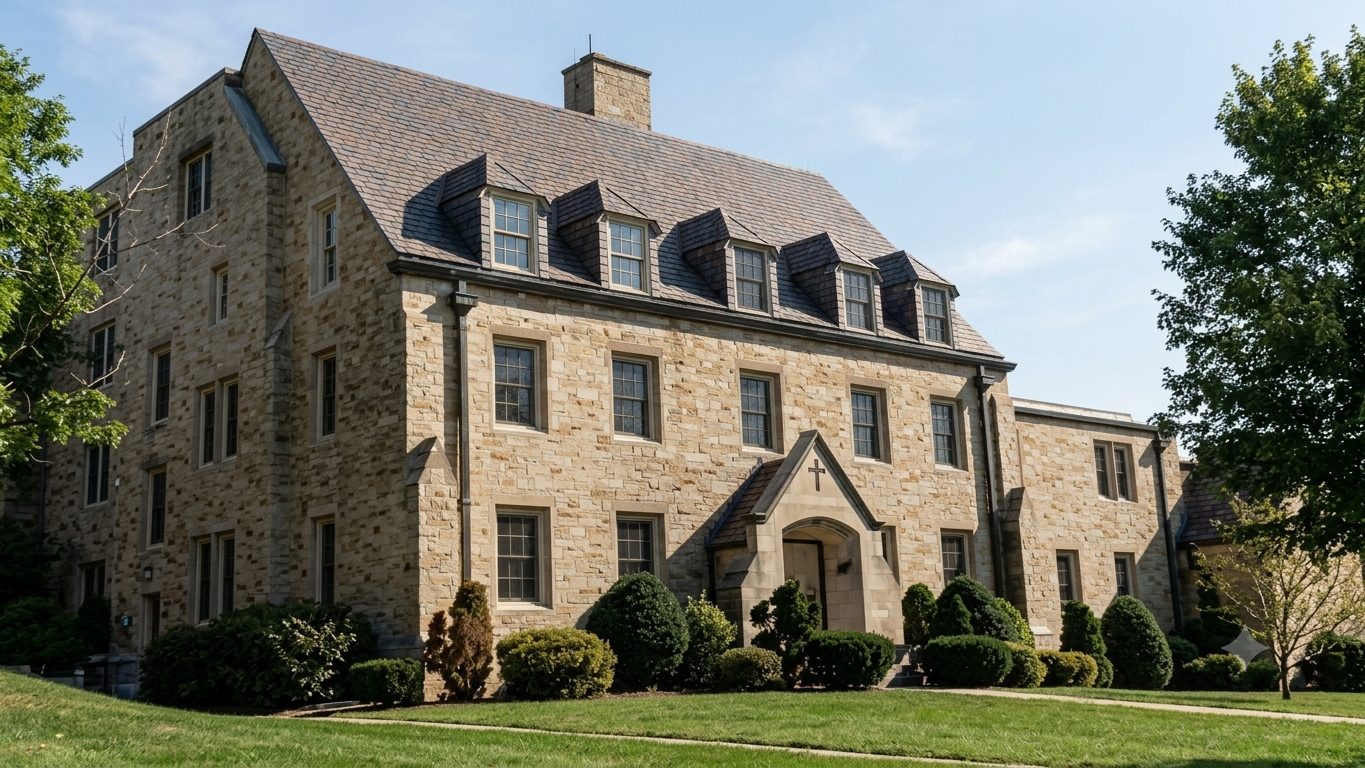
Buildings Are Being Razed Clearing Site For Convent-July 29, 1939
This Day In Norwood History-July 29, 1939-Buildings Are Being Razed Clearing Site For Convent
-
Norwood Girls Get Teachers’ Positions-This Day in Norwood History-July 3, 1903
This Day in Norwood History-July 3, 1903-Norwood Girls Get Teachers’ Positions

-
Should Norwood Hire a School Superintendent?-This Day in Norwood History-June 7, 1890
June 8, 1890- The question of hiring a superintendent was raised at a lively town meeting. The following March, town meeting, empowered Mr. Maurice J. O’Brien , principal of the Everett School, to act in the capacity of Norwood’s first superintendent of schools.

Discover more from Norwood Historical Society
Subscribe to get the latest posts sent to your email.