

The Norwood Teachers Association submitted a wage scale proposal requesting across-the-board pay increases of $1,000 or more for school committee consideration, presented by association president William Mazurek following the formal signing of the town’s first general collective bargaining contract.

While Mazurek noted the proposed scale remains “unofficial” until negotiations commence in September, the schedule is slated to go into effect in September 1967. The proposed salary range would elevate the starting minimum from $5,200 (just above the state-mandated $5,000 minimum) to $6,000—aligning with recommendations from the National Education Association (NEA)—and scale up to $12,152 for teachers at the 13th step holding a master’s degree plus 30 credit hours. Additionally, a uniform six percent ratio for step raises would eliminate existing disparities where intermediate steps received smaller increments. Edward Downey, assistant executive director of the Massachusetts Teachers Association, praised the schedule, stating it keeps pace with professional recommendations.
The landmark collective bargaining agreement—signed under the state’s updated collective bargaining laws allowing disputes to be submitted to the state board of conciliation and arbitration—was approved by four school committee members alongside association representatives Richard Mahoney, Andrew Ciarletta, Robert Shanahan, and Phyllis Gallagher. Committee member John J. Cavanaugh delayed ratification for approximately 35 minutes over minor wording changes and parliamentary procedure, arguing for time limits on future amendments and briefly declining to sign until specific phrasing adjustments were typed in. Chairman William Egan, along with members Dr. Thomas Couch, Francis Sheehan, and Charles Saraca (with member Henry Diggs absent), advanced the vote, with Chairman Egan dismissing Cavanaugh’s procedural objections by asserting that committee rules required a four-member vote to overrule the chair.
In other school business, Superintendent Philip O. Coakley reported that two mobile classrooms ordered to house students at the Winslow School might not arrive in time for the school opening due to unexpected state Department of Public Safety requirements mandating enclosed passageways to school lavatories. Resident Edmund Linehan of 73 Hoyle St. had appeared earlier to question whether all children would have proper classrooms without resorting to double sessions. Additionally, the committee approved plans initiated by High School Principal John Monbouquette to establish a 10-member majorette program for the high school under physical education oversight.
Archival Note: This article has been dynamically reconstructed from the original public record print archives of the Patriot Ledger
-
Movement Underway Here For Public Kindergarten-November 7, 1946

Movement Underway Here For Public Kindergarten-This Day in Norwood History-November 7, 1946
-
School Board Studies Hockey Rink For School, New Schools, Sets New Weather Policy-This Day in Norwood History-June 30, 1946

The Norwood School Committee institutes a firm new inclement weather academic policy, launches cost evaluations for a high school hockey rink, and updates educational equipment for the local schools.
-
Father Sues Town for $15,000 Because Proper Conveyance is Not Provided to School-November 22, 1895
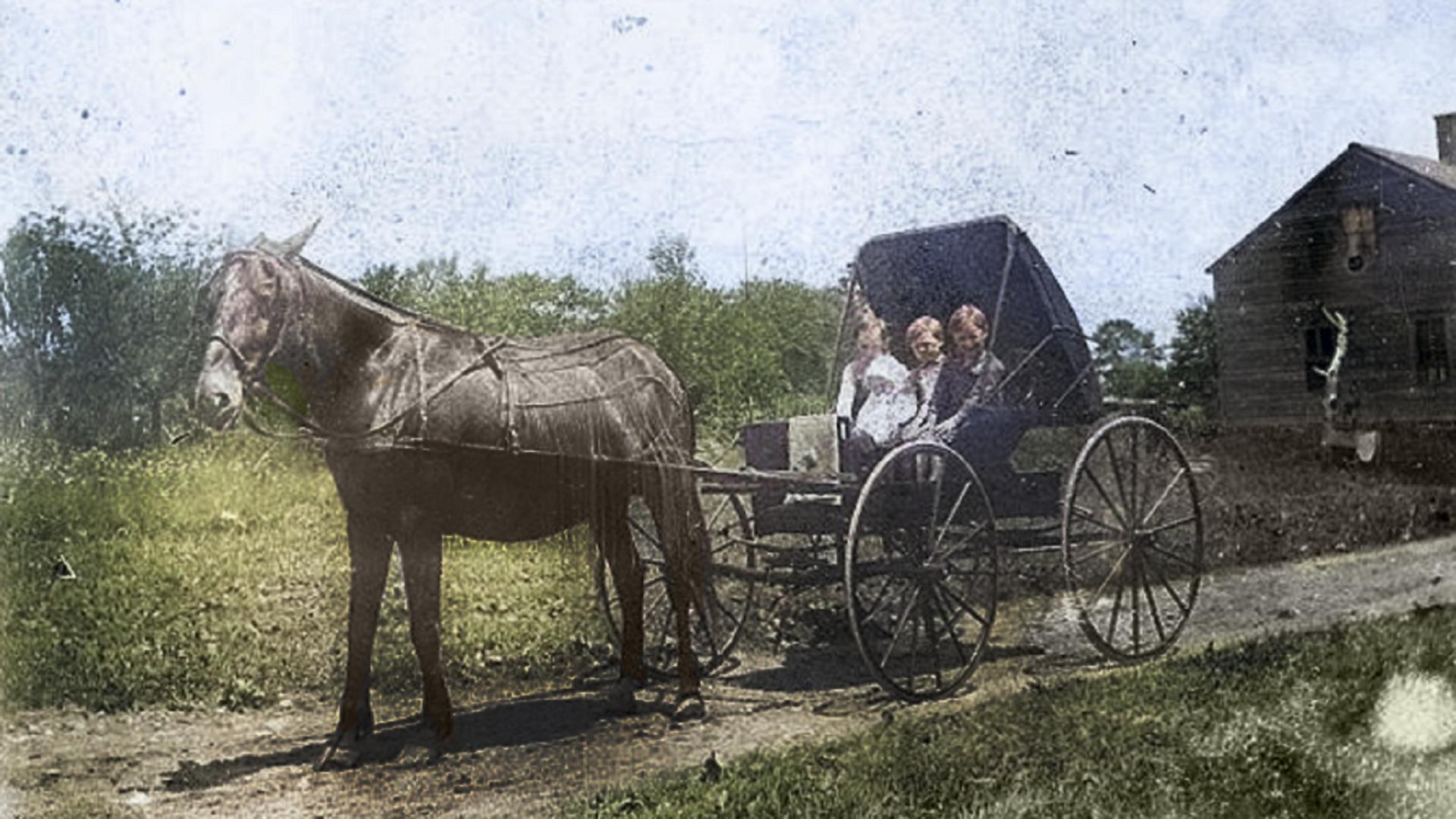
WANTS HIS CHILDREN CARRIED. This town is all in a ferment again over the so-called Gillin case. Away back in 1889 Rev George Hill, who was then chairman of the school board of Norwood, authorized Mr. James J. Gillon, who resides near the Dedham borderline and three miles from the nearest normal school house, to…
Discover more from Norwood Historical Society
Subscribe to get the latest posts sent to your email.