

The Norwood Teachers Association submitted a wage scale proposal requesting across-the-board pay increases of $1,000 or more for school committee consideration, presented by association president William Mazurek following the formal signing of the town’s first general collective bargaining contract.

While Mazurek noted the proposed scale remains “unofficial” until negotiations commence in September, the schedule is slated to go into effect in September 1967. The proposed salary range would elevate the starting minimum from $5,200 (just above the state-mandated $5,000 minimum) to $6,000—aligning with recommendations from the National Education Association (NEA)—and scale up to $12,152 for teachers at the 13th step holding a master’s degree plus 30 credit hours. Additionally, a uniform six percent ratio for step raises would eliminate existing disparities where intermediate steps received smaller increments. Edward Downey, assistant executive director of the Massachusetts Teachers Association, praised the schedule, stating it keeps pace with professional recommendations.
The landmark collective bargaining agreement—signed under the state’s updated collective bargaining laws allowing disputes to be submitted to the state board of conciliation and arbitration—was approved by four school committee members alongside association representatives Richard Mahoney, Andrew Ciarletta, Robert Shanahan, and Phyllis Gallagher. Committee member John J. Cavanaugh delayed ratification for approximately 35 minutes over minor wording changes and parliamentary procedure, arguing for time limits on future amendments and briefly declining to sign until specific phrasing adjustments were typed in. Chairman William Egan, along with members Dr. Thomas Couch, Francis Sheehan, and Charles Saraca (with member Henry Diggs absent), advanced the vote, with Chairman Egan dismissing Cavanaugh’s procedural objections by asserting that committee rules required a four-member vote to overrule the chair.
In other school business, Superintendent Philip O. Coakley reported that two mobile classrooms ordered to house students at the Winslow School might not arrive in time for the school opening due to unexpected state Department of Public Safety requirements mandating enclosed passageways to school lavatories. Resident Edmund Linehan of 73 Hoyle St. had appeared earlier to question whether all children would have proper classrooms without resorting to double sessions. Additionally, the committee approved plans initiated by High School Principal John Monbouquette to establish a 10-member majorette program for the high school under physical education oversight.
Archival Note: This article has been dynamically reconstructed from the original public record print archives of the Patriot Ledger
-
Norwood Sets $38 Tax Rate on Court-Ordered 100% Property Valuation for 1972-August 16, 1972

Announcing a 1972 tax rate of $38 per $1,000 under a court-ordered 100 percent property valuation, Assessor Chairman James J. Drummey concluded a major reassessment by Cole, Layer and Trumble.
-
Norwood Jr. High Offered Land At $9,500 An Acre-September 30, 1971
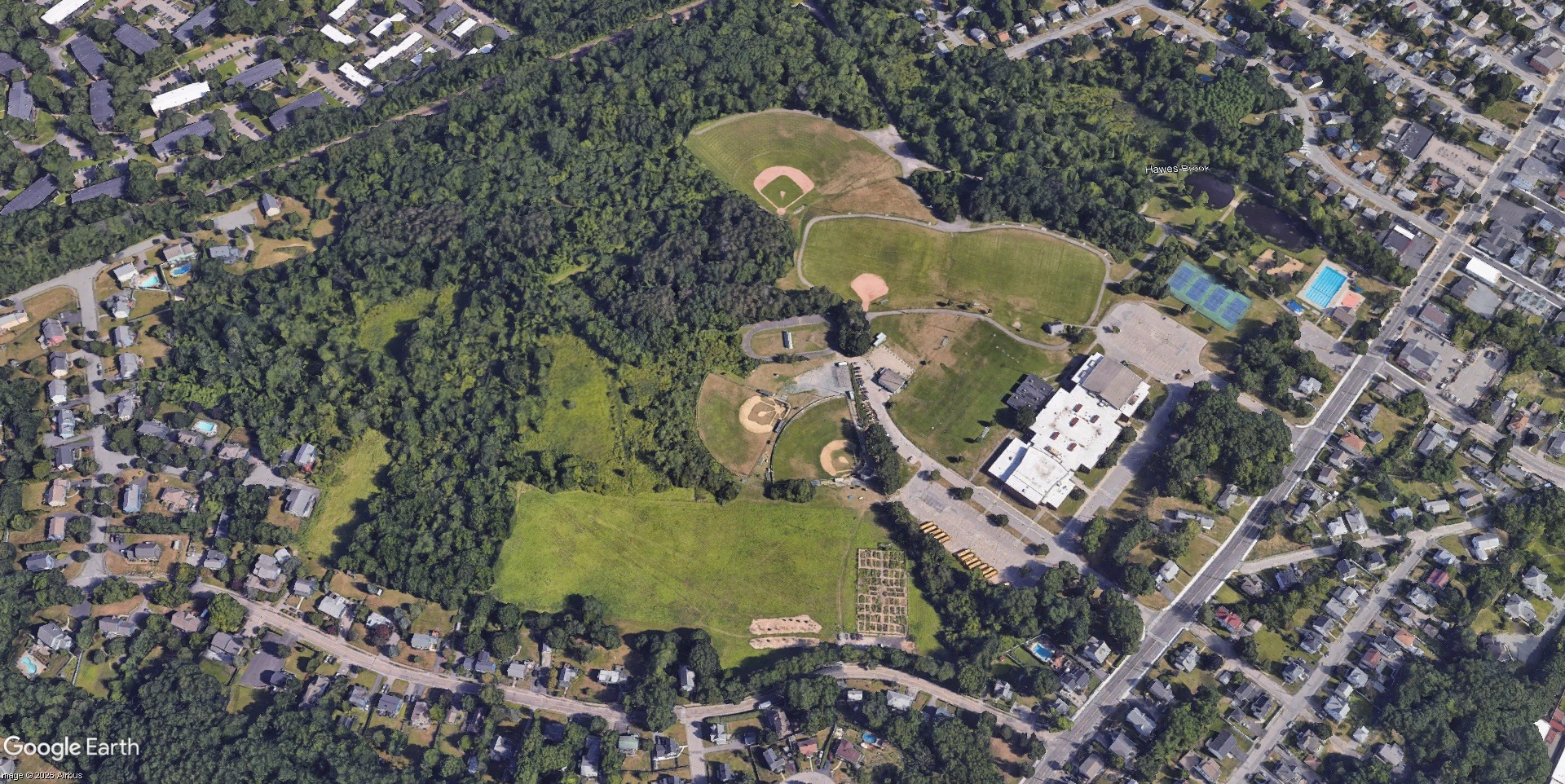
The Norwood School Committee recommends the Endean area in Walpole as the site for a new junior high school, facing sharp questioning from town meeting members over rising costs and site shifts.
-
Norwood High School Launches Innovative Open Campus Plan for Fall Term-September 8, 1971

Norwood High School opens the fall term by launching an innovative open campus and extended-day program designed by Principal John F. Monbouquette to foster student responsibility.
-
Junior High Alternate Estimates Sought-June 25, 1971

A sharp debate divides Town Manager Walter Blasenak and finance officials over mounting unappropriated architectural fees for Boston design firms.
-
Schools Face Heating Oil Shortage for Upcoming Winter, While Band Camp and Library Art Programs Make Headlines-August 6, 1970
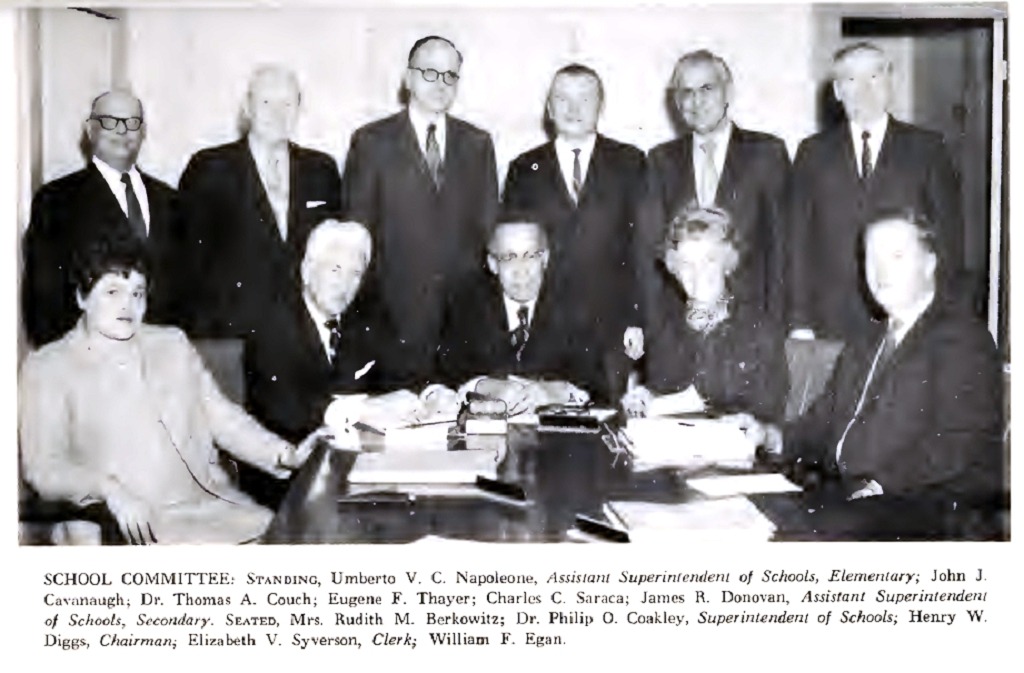
Superintendent Dr. Philip O. Coakley informed the Norwood School Committee that no companies submitted bids to supply 110,000 gallons of No. 5 heating oil for town schools due to quotas, shortages, and environmental regulations.
-
Bells Are Ringin’-July 3, 1970
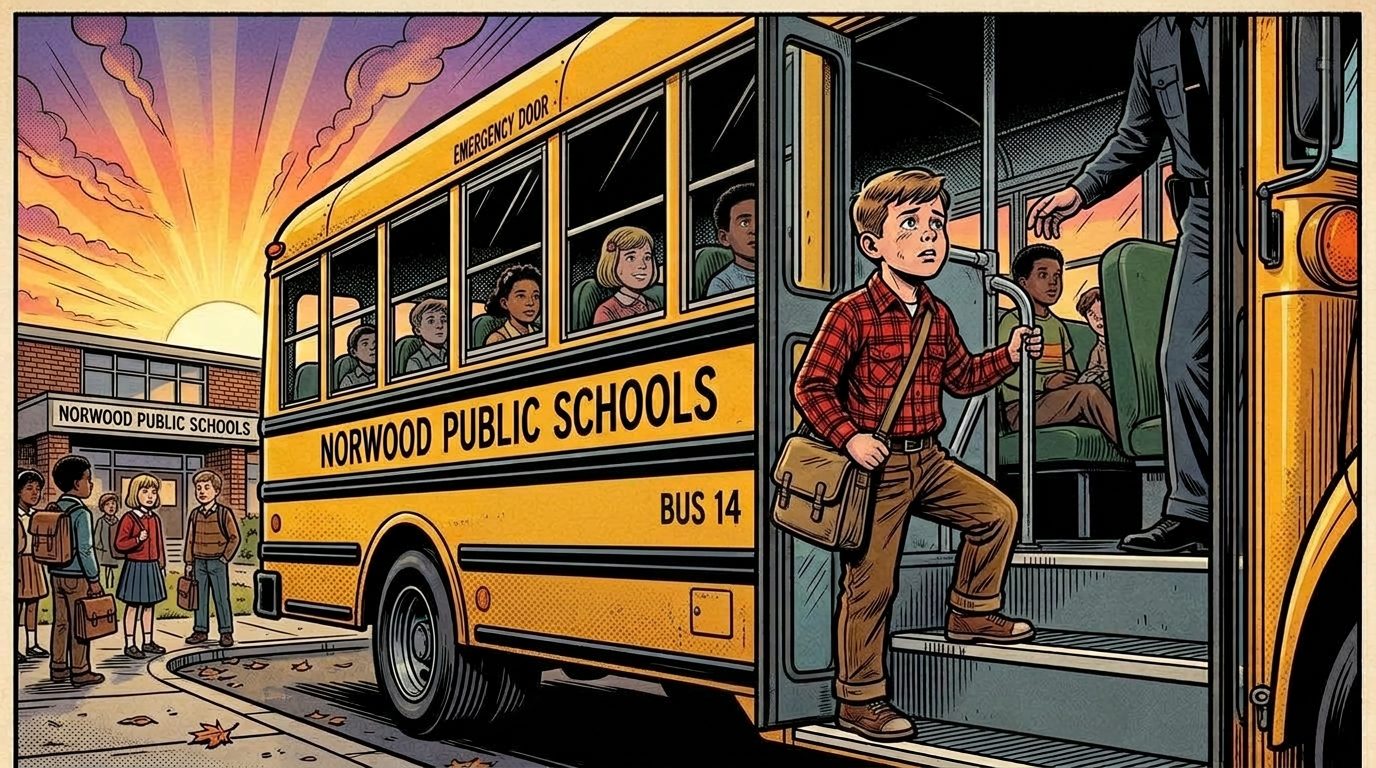
The Norwood School Committee overhauled its student transportation system and faced an $8,000 wave of structural school vandalism in July 1970
-
Finance Commission Threatens Postponement of $6.1 Million Senior High Addition Without Comprehensive School Housing Plan-November 13, 1969

Fincom Chairman George T. Mahoney demanded unequivocal backing and cost estimates from the Norwood School Committee for the proposed $6.1 million high school addition ahead of the Special Town Meeting.
-
Henry O. Peabody School of Practical Nursing Graduates 28 Students-October 13, 1969
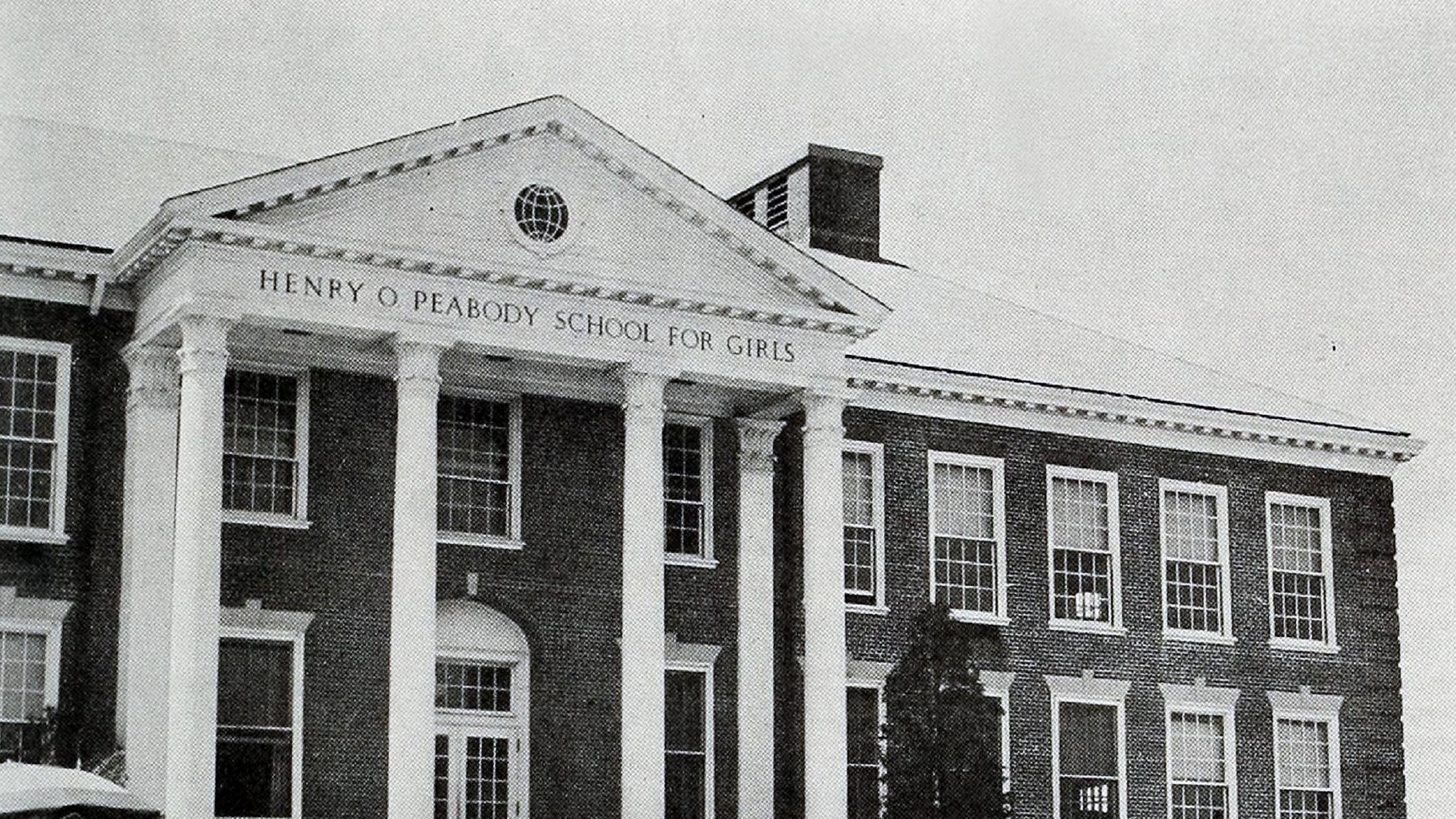
Twenty-eight practical nursing students graduate from Norwood’s Henry O. Peabody School, with special honors awarded to local standouts Gail Penza, Mary A. Paulin, and Grace Robinson.
-
Permanent Building Committee Suspends Planning For Norwood High Addition-September 5, 1969

The building committee pauses planning for a $6.1 million Norwood High School addition pending further review, while addressing low-bidding rules for school furnishings.
-
Almost 50% of Graduates Head To College-July 10, 1969

The Norwood High School guidance department released a significant report on July 10, 1969, detailing the educational future of the school’s 419 graduates. The data revealed that approximately 45 percent of the class planned to attend four-year colleges that fall, a figure the department noted was likely the highest percentage of four-year institution acceptances in…
Discover more from Norwood Historical Society
Subscribe to get the latest posts sent to your email.