
18-Article Warrant at Junior High School South Features Eliot Park Field Funding, Smoke Detector Mandate, and Police Chief Authority Proposal
NORWOOD – Town Meeting representatives were scheduled to convene at 8 p.m. on Monday, November 17, 1980, in the Junior High School South auditorium to tackle an 18-article special town meeting warrant headlined by a $500,000 funding request for the first phase of replacing the Norwood Civic Center. Alongside $335,000 in additional financial articles, the warrant included a proposal from the fire chief seeking a mandatory smoke detector requirement across all apartment buildings and private homes—paired with enforcement funding—as well as an administrative measure sponsored by Selectman John F. Kinnaly aimed at strengthening the police chief’s authority by removing the town manager from the role of police administrator.
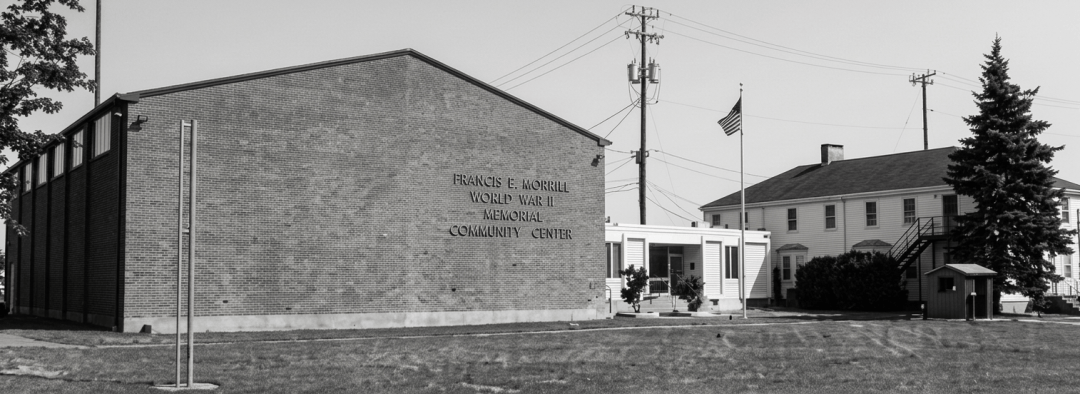
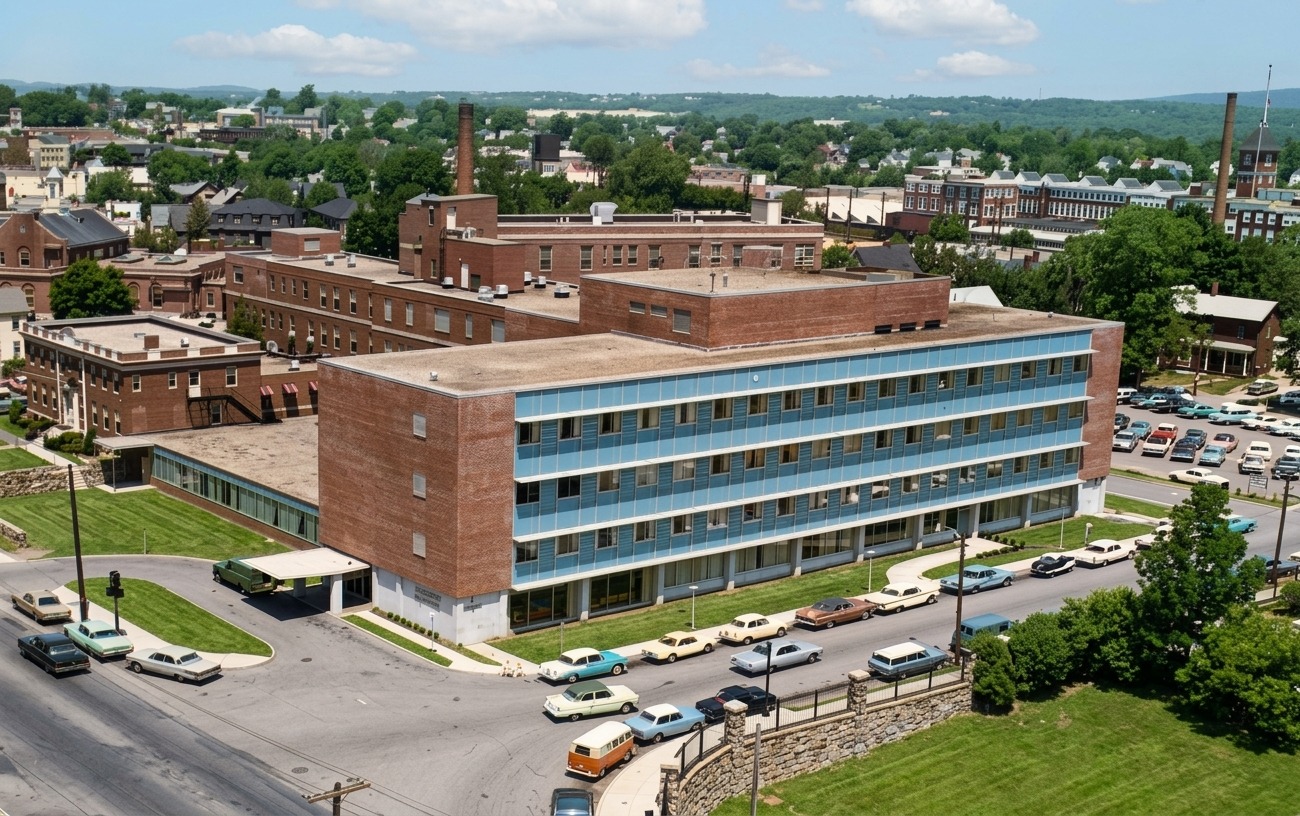
At the center of the evening’s fiscal debate was a request by the Permanent Building Construction Committee to draw $500,000 from the $2.3 million proceeds gained from selling the former Civic Center property to Norwood Hospital in order to develop athletic playing fields at Eliot Park in South Norwood. That step built on a July town meeting vote allocating $180,000 for final architectural drawings, including plans under study by architects to adapt the Aaron Guild School building into indoor community recreation facilities. Because the hospital sale proceeds were already invested in municipal accounts, the $500,000 allocation required no new property tax appropriation.
Nevertheless, deliberations unfolded directly under the looming fiscal shadow of Proposition 2½, the landmark statewide property-tax-cap initiative recently approved by Massachusetts voters (rendered as “Proposition 212” in the newspaper’s typesetting). Finance Commission Chairman Peter Bamber and District 9 representative Thomas DiFrancia announced they intended to warn town meeting members against touching the Civic replacement fund further until the long-term municipal budget impacts of Proposition 2½ were clearly understood. One prominent Civic Center replacement supporter, however, remained unconcerned by the fiscal warning, suggesting that Bamber was simply adopting the tough, budget-conscious public posture expected of a Finance Commission chairman.
1980 Civic Center Replacement Figures Adjusted to 2026 Dollars & Site Legacy
Inflation-adjusted using U.S. Bureau of Labor Statistics CPI data ($1.00 in Nov. 1980 ≈ $3.87 in 2026)
| 1980 Municipal Fund / Appropriation | 1980 Amount | 2026 Equivalent |
|---|---|---|
| Norwood Hospital Civic Center Sale Proceeds | $2,300,000 | ~$8,901,000 |
| Phase 1 Eliot Park Playing Fields Request | $500,000 | ~$1,935,000 |
| Additional Special Town Meeting Financial Articles | $335,000 | ~$1,296,450 |
| July 1980 Architectural Design Allocation | $180,000 | ~$696,600 |
Archival Note: This article has been dynamically reconstructed from the original public record print archives of the Patriot Ledger
-
Planners Examine Norwood Hospital Parking Proposals on Civic Center Land-October 21, 1975
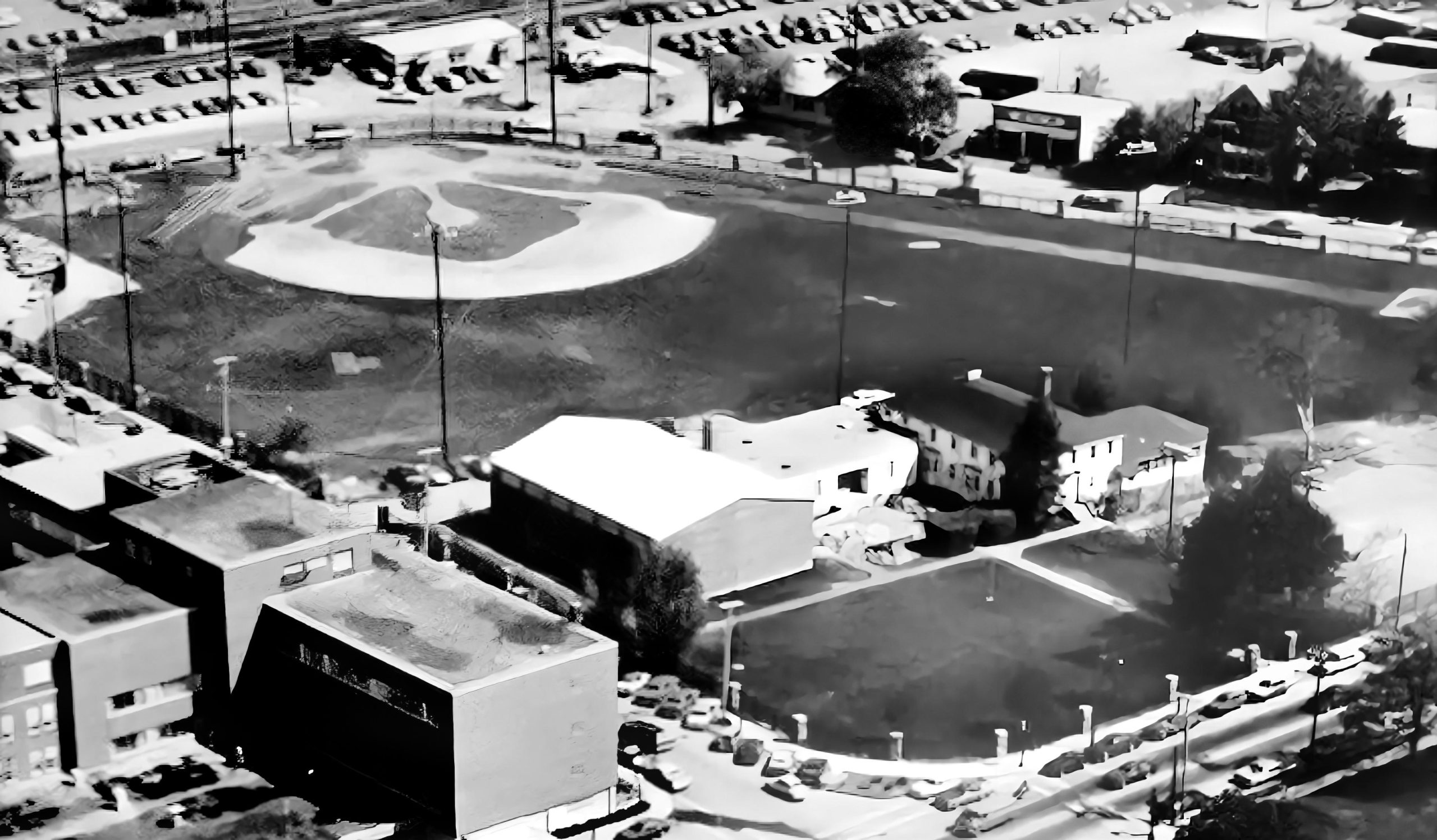
Following the abandonment of a Washington Street parking plan, Norwood planners and hospital officials reviewed proposals for two parking lots on Civic Center land adjacent to Norwood Hospital.
-
Norwood Hospital Study Committee Begins Gathering Information on Civic Center Purchase Proposal-September 9, 1975
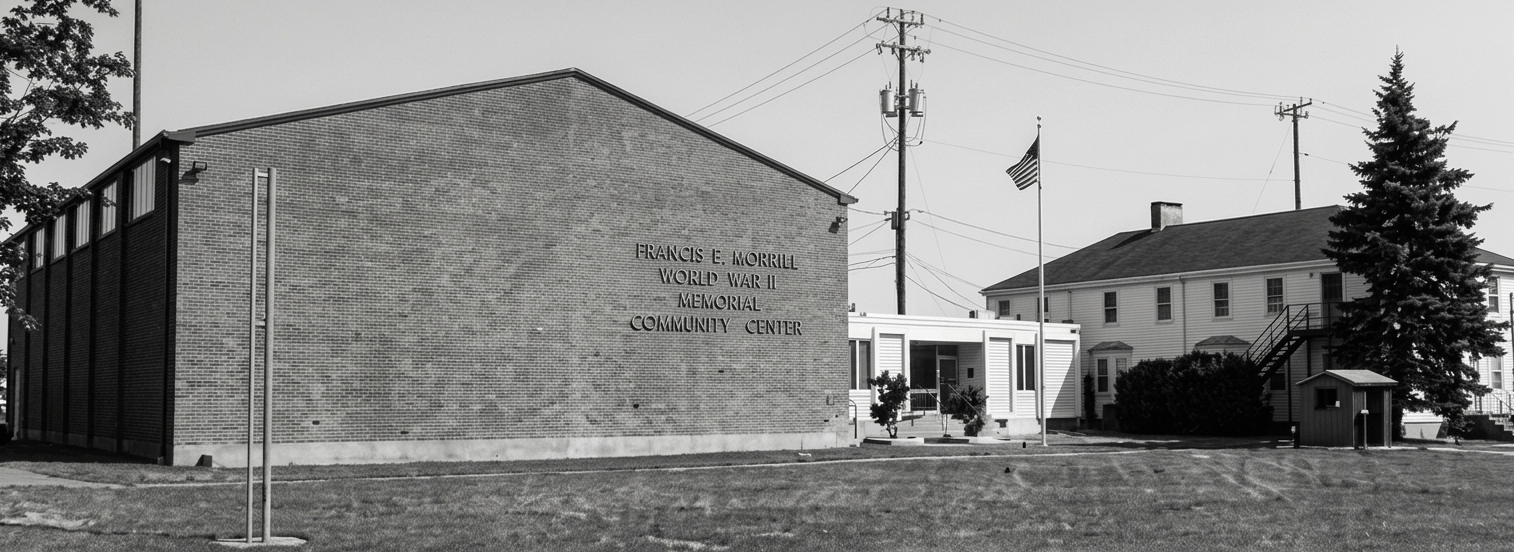
The Norwood Hospital Study Committee begins evaluating hospital proposals to purchase the Norwood Civic Center for expansion while exploring alternative recreation sites.
-
Norwood Hospital Proposes Purchasing Civic Center as Expansion Alternative, Other Selectmen’s Notes-August 6, 1975
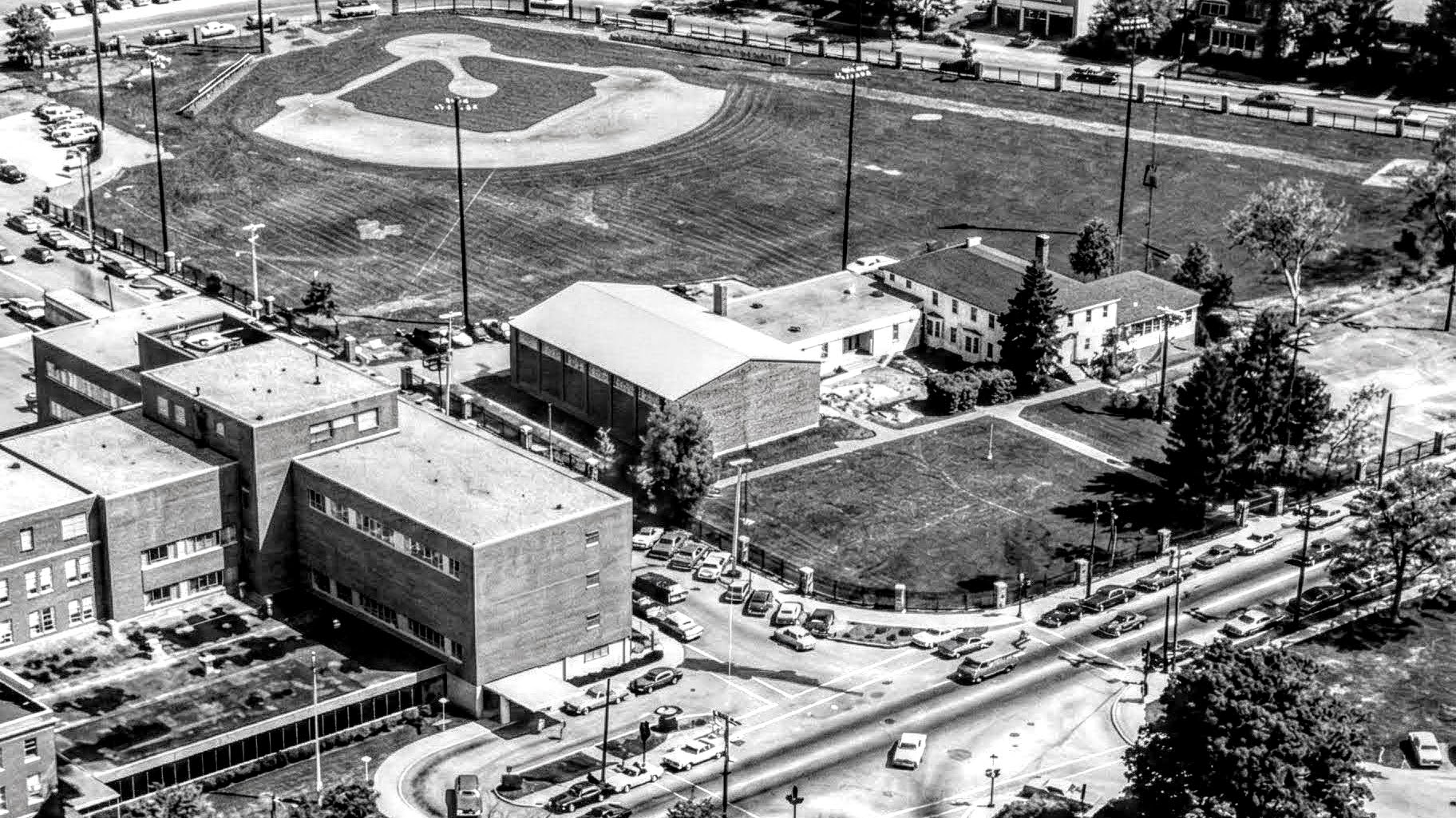
Facing severe space constraints and rising relocation estimates to Walpole, Norwood Hospital officials proposed acquiring the Civic Center as a viable local expansion alternative during a selectmen’s meeting.⠀
-
Proposed Land Swap Between Norwood Civic Center and Hospital Expansion Site Generates Mixed Reactions-August 17, 1974
Candidate Francis J. Keady proposed trading the Norwood Civic Center for the hospital’s 24-acre Walpole expansion site, drawing skepticism from town manager John P. Mogan and selectman Joseph W. Wall.
Discover more from Norwood Historical Society
Subscribe to get the latest posts sent to your email.