
Former President Manuel C. Gomes Demands Apology Over Saturday Night Raid at 1040 Washington St. as Police Chief George J. DiBlasi Backs Officers
NORWOOD – Members of a longtime South Norwood Portuguese social club expressed strong frustration in November 1984 over the manner in which Norwood Police entered their storefront headquarters to investigate an anonymous tip alleging illegal gambling. Reported by Patriot Ledger staff writer Barry N. Smith on Tuesday, November 20, 1984, the dispute centered on a late-night visit around 10:00 p.m. on Saturday, November 17, at the club’s storefront facility at 1040 Washington Street, where roughly a dozen men were gathered inside.
According to Manuel C. Gomes, 28, a former president of the 12-year-old, 70-member organization, a plainclothes detective and two uniformed officers entered the storefront abruptly without knocking or explaining their presence. “They didn’t even knock,” Gomes said. “We were there playing cards, not for money or anything.” Gomes recounted that the three officers walked through the room, looked around, and exited without offering a word of explanation. Emphasizing that the municipality had never experienced any trouble with the club in its dozen years of operation, Gomes objected to the organization being “falsely accused,” flatly denied that gambling took place on the premises, and called on the Norwood Police Department to issue an apology.
Police officials offered minimal public comment and declined to address Gomes’s request for an apology. Department spokesman Joseph F. Tessicini confirmed only that officers had responded to an anonymous call reporting illegal gambling: “There was an investigation. There’s no comment on the investigation and there are no charges.”
While the investigating detective could not be reached for comment on Monday evening, Gomes stated that during follow-up discussions the detective had insisted illegal gambling was occurring inside the storefront. “I was shocked, surprised to hear that,” Gomes said. “He kept insisting we were playing craps … There weren’t any dice inside the club.” According to Gomes, the detective indicated that a separate patrol officer—not one of the two uniformed officers who entered the room—had initially grown suspicious after peering through a front window into the clubroom.
Selectman William F. Butters confirmed on Monday night that he had conferred with Police Chief George J. DiBlasi after Gomes raised the complaint with him on Sunday. Butters reported that Chief DiBlasi was satisfied with how his officers had conducted the inquiry—adding that because no criminal charges were filed against the club, municipal officials considered the episode closed unless the organization chose to pursue a formal complaint.
Archival Note: This article has been dynamically reconstructed from the original public record print archives of the Patriot Ledger
-
St James Avenue to St George Avenue
South Norwood Photo Studio —1 St James Avenue (now gone) John Klukas was one of two photographers who operated photo studios in South Norwood. Alexander Lapinsky had a studio around the corner at 1084 Washington. Many of Norwood’s immigrant population liked to have their pictures taken, as it was an affordable way to memorial important…
-
Oolah Avenue to St. James Avenue
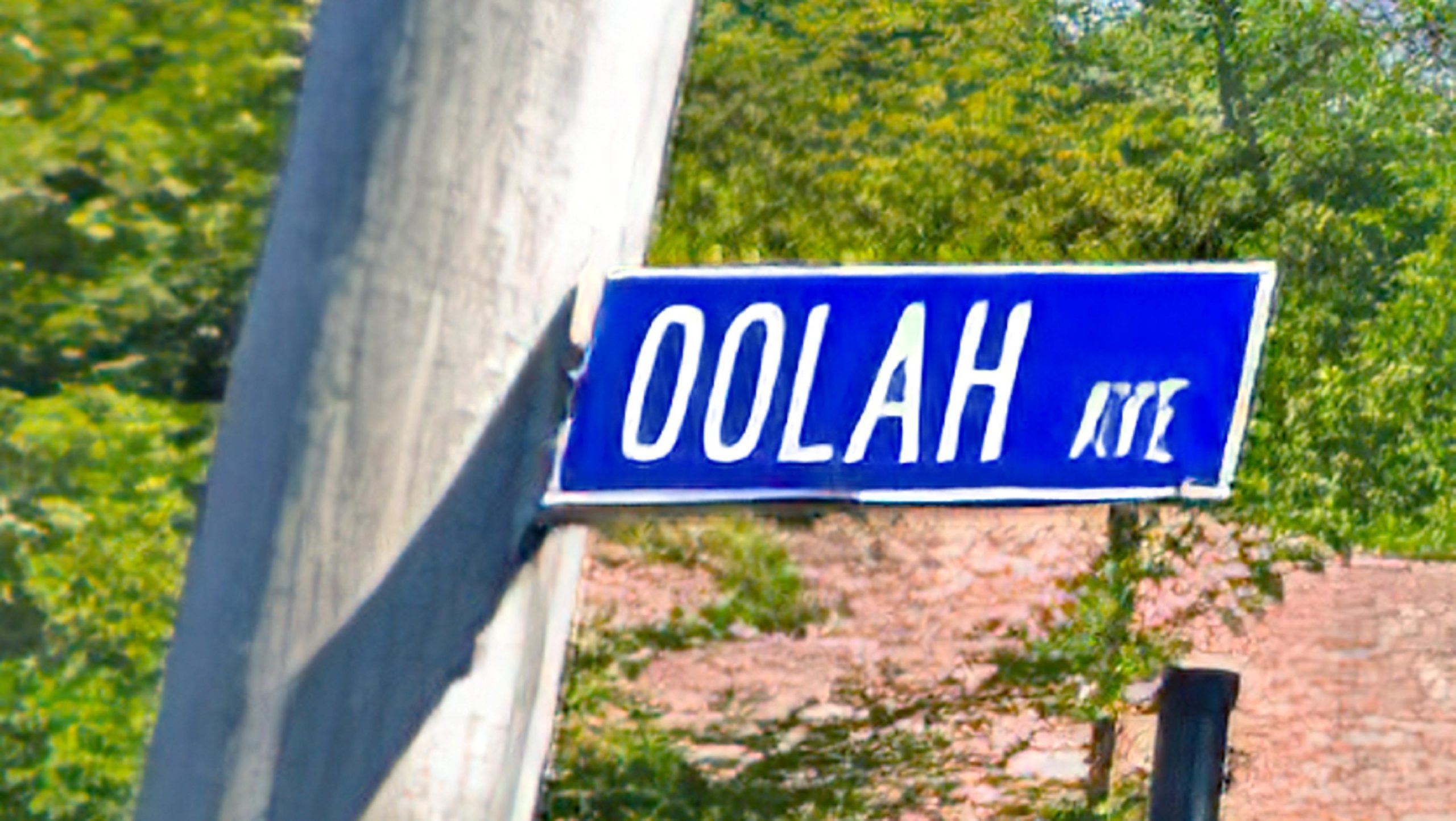
Oolah Avenue Named after the Abdallahs – “Oolah” is Syrian for Nicholas. Over the years, this street has been the home to waves of immigrants – Irish, Polish, Lithuanian, Italian, Portuguese, Brazilian, Egyptian, and Ecuadorian called this street home. At one time, Matt Drummey lived here and was known for the cellos he made by…
-
Dean Street to Oolah Avenue
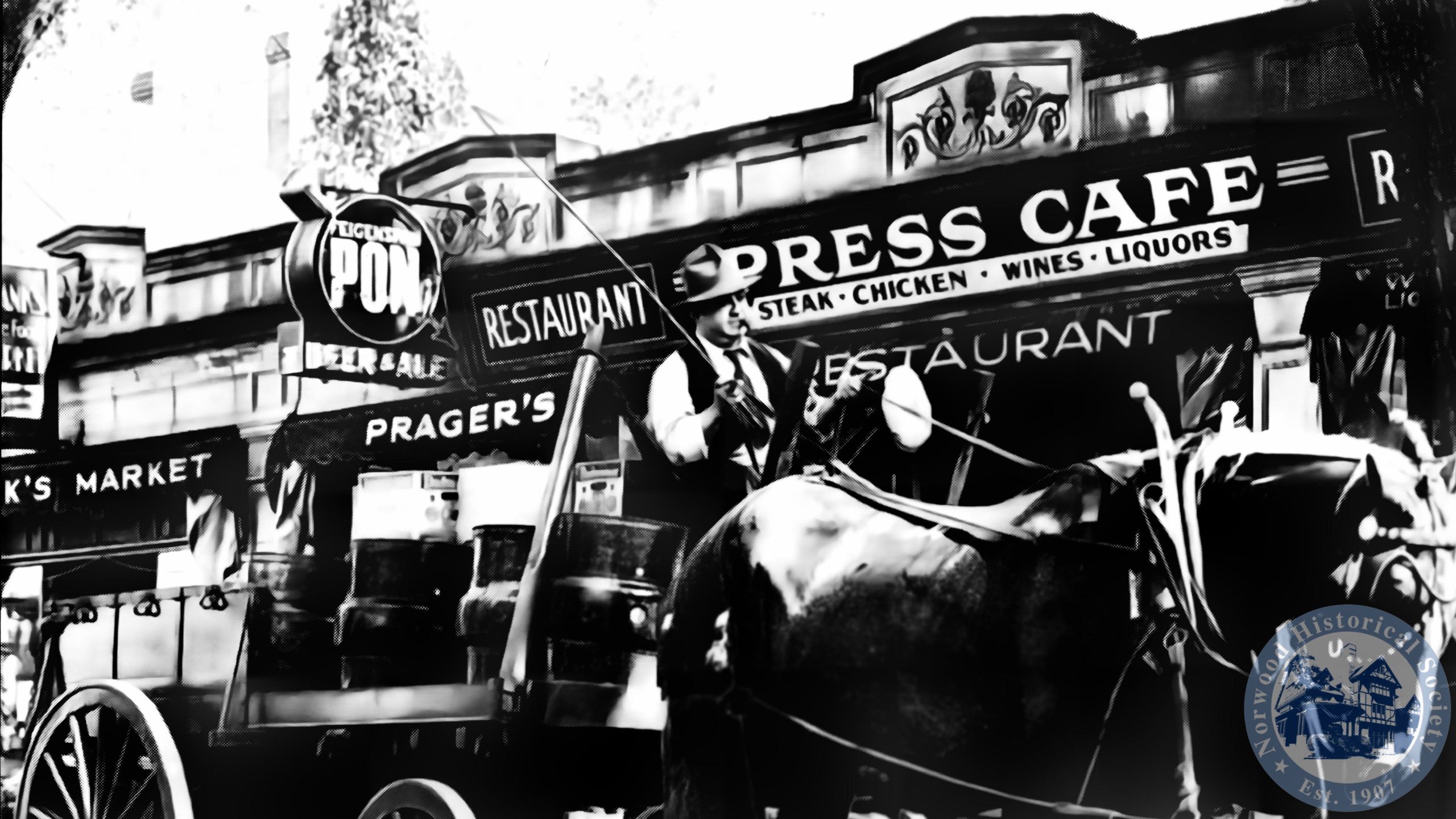
Temple Shaare Tefilah – 935 Washington Street Although this building is located about a quarter of a mile north of Dean Street, it was an important place for many of South Norwood’s Jewish population. In 1908, seventeen Jewish families purchased a Torah and organized this temple. Initially they did not have a building of their…
-
Norwood’s Polish Immigrants
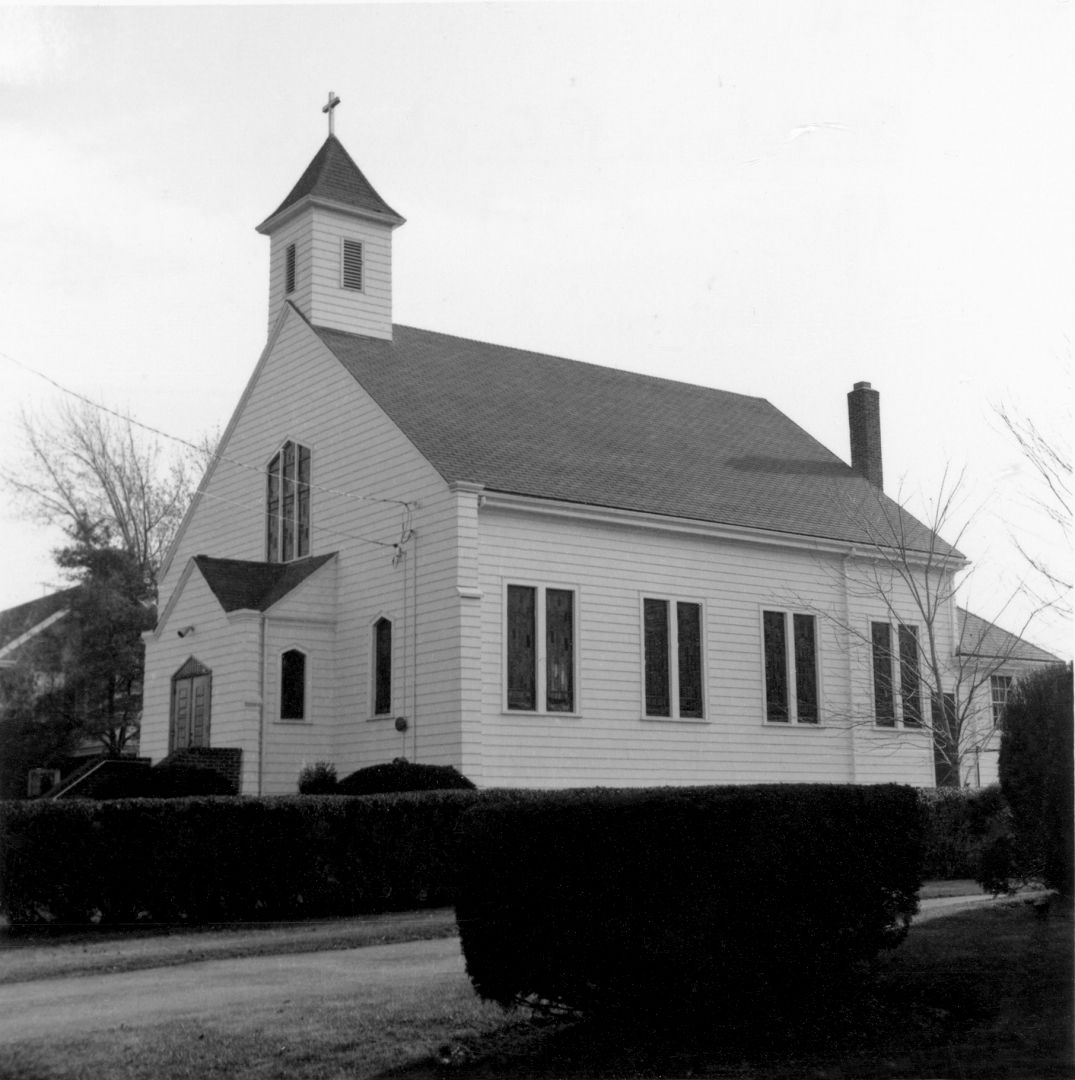
The Polish share much of their history and culture with the Lithuanians. Their long connection started in 1386 Lithuania’s Grand Duke Jogaila married Queen Jadwiga, of the Kingdom of Poland, then in 1569, the Polish-Lithuanian Commonwealth was formally formed. This Commonwealth was initially known for its ethnic diversity as well as religious freedom, but as…
-
Norwood’s Italian Immigrants

In over forty years, between 1880 and 1920 over four million Italians began arriving in The United States, many coming from the poor agricultural towns located in Mezzogiorno region (the “boot” area). Those who came to Boston settled in the North End. As early as 1905, Italian immigrants were settling in South Norwood. Like the…
-
Norwood’s Lebanese-Syrian Immigrants
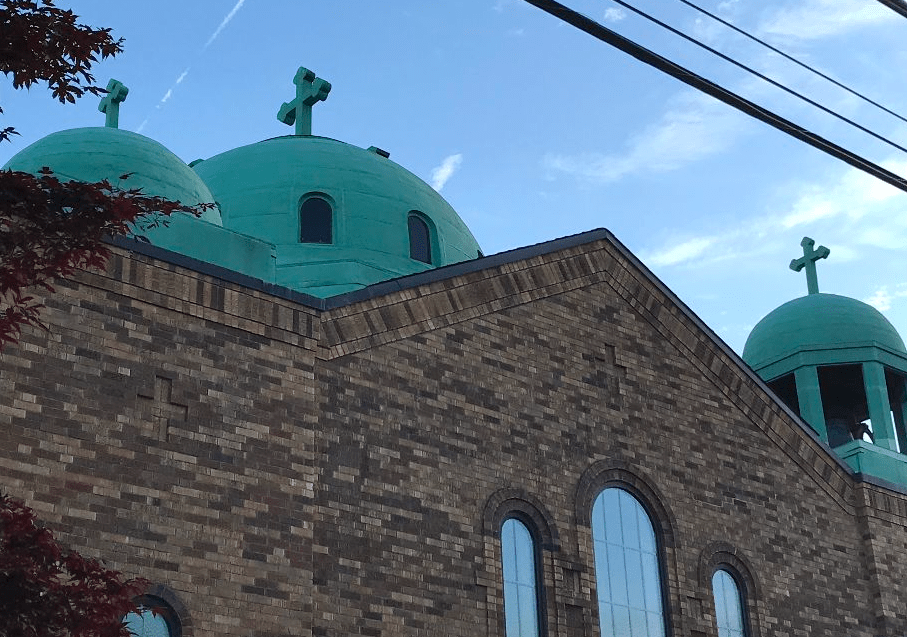
Syrians had been arriving in Massachusetts since the late 1880s. Many came from what is today, the countries of Lebanon and Syria, and these immigrants were mostly Christian. Traditionally, this area was a largely agricultural region. They settled in Boston where they found work as peddlers, lace makers, and in many of the area’s manufacturing…
-
Norwood’s Lithuanian Immigrants
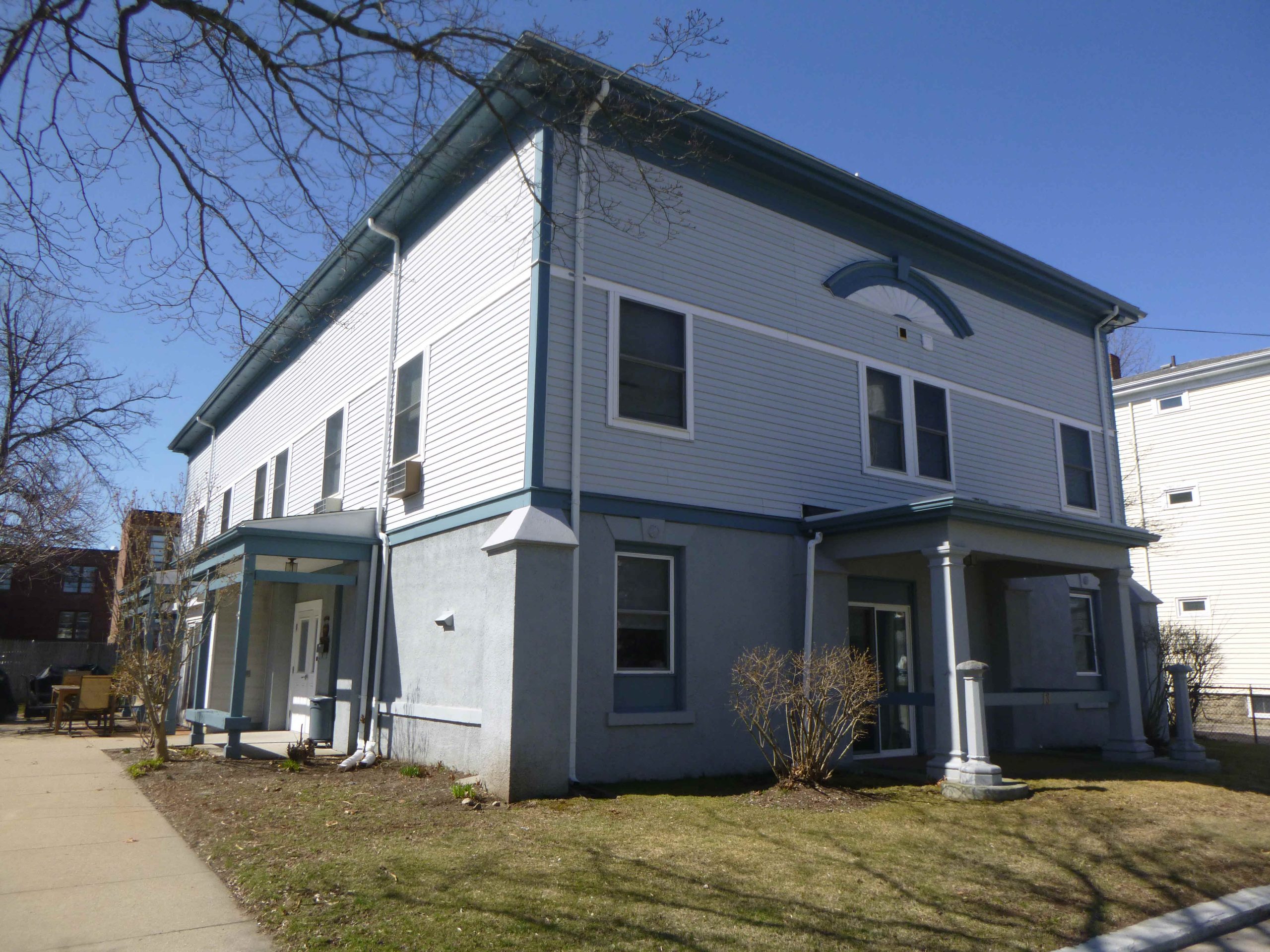
The history of Lithuania is long and complicated, but it needs to be understood as its roots illustrate when and why Lithuanians came to the United States. In 1795, The Polish-Lithuanian Commonwealth fell and was incorporated into Russia. The Commonwealth, which was made up of the Kingdom of Poland and the Grand Duchy of Lithuania,…
-
Norwood’s Portuguese Immigrants

The Portuguese began arriving in Massachusetts in the late 1800s, many coming from fishing villages in the Azores. They created Portuguese communities in Boston and Cambridge. In the late 1950s, Portuguese immigrants began settling in South Norwood, many finding homes in some of the triple-deckers in the area, but most arrived in the early 1970s.…
Discover more from Norwood Historical Society
Subscribe to get the latest posts sent to your email.