
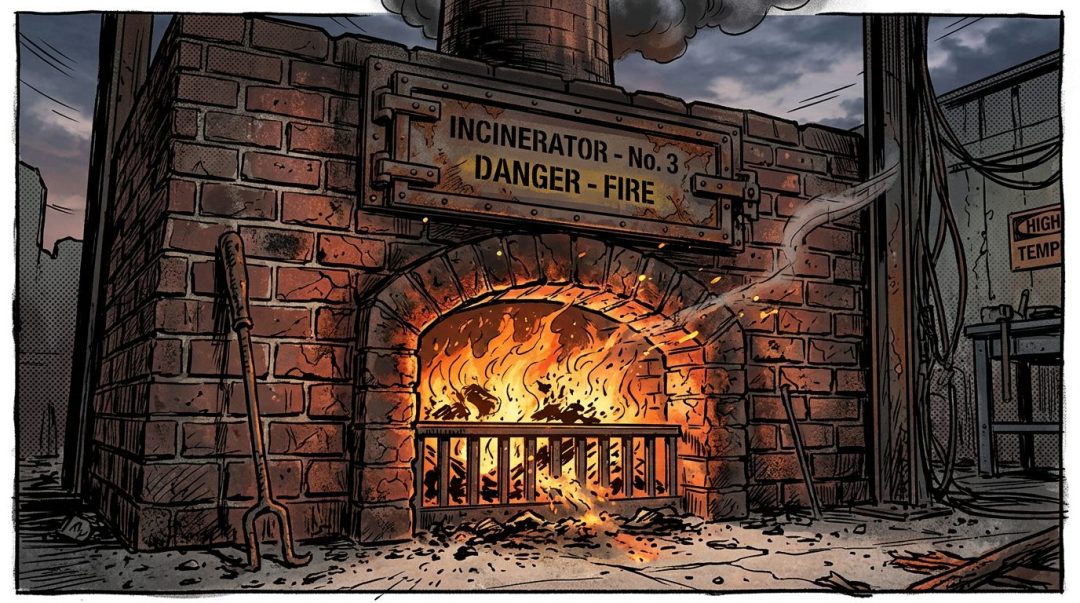

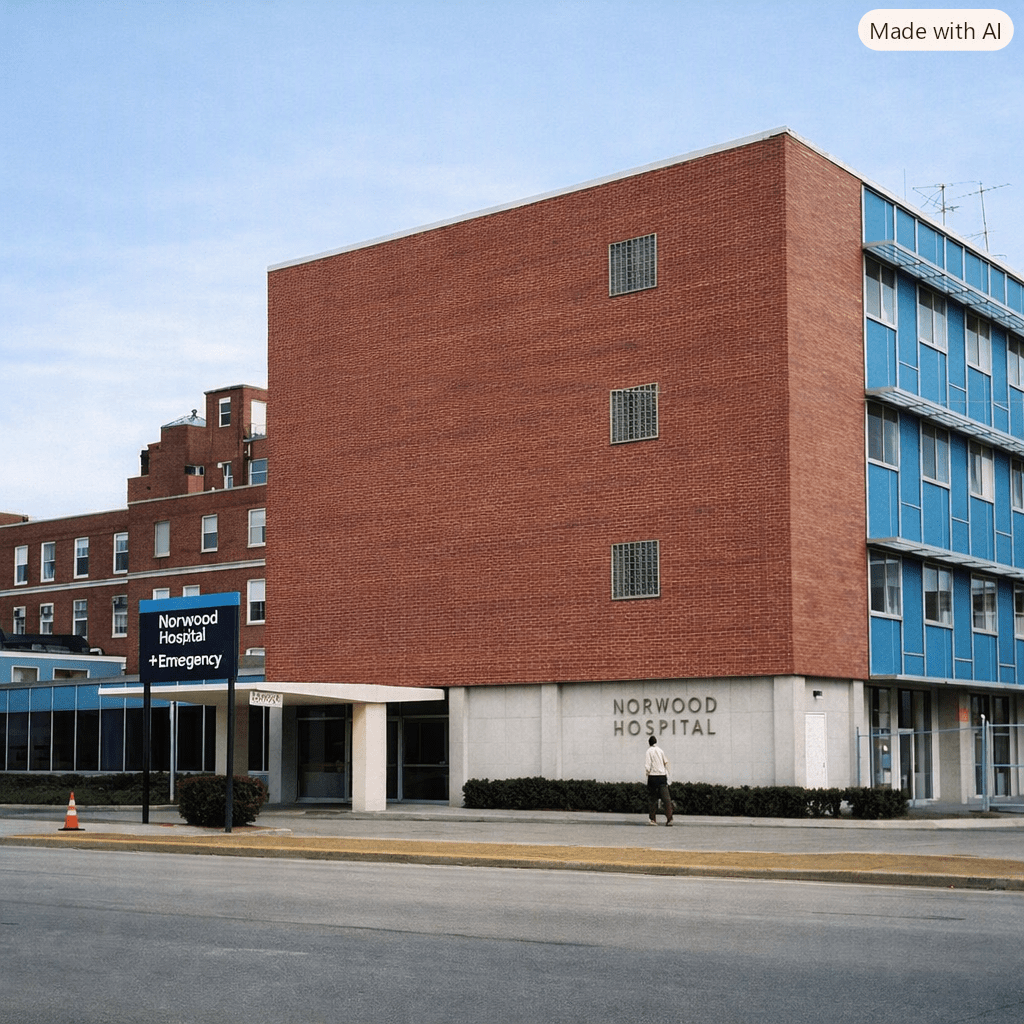
Norwood was abuzz with news of a local institution facing scrutiny from state and local authorities regarding its incinerator standards. Norwood Hospital, a stalwart presence in the community for decades, found itself at the center of a controversy that would test its commitment to environmental responsibility.
The hospital was under pressure to update its incinerator or cease burning pathological waste altogether. This warning came not just from local health officials but also from the state’s Department of Environmental Quality Engineering (DEQE). According to a letter penned by William J. St. Hilaire, a state environmental engineer, Norwood Hospital had been cautioned on no less than five occasions about its incinerator violating air pollution regulations.
The hospital’s claims that it lacked alternative means of disposing of pathological waste were met with skepticism by the DEQE. In fact, St. Hilaire suggested that the hospital could contract with another institution possessing an incinerator approved for such burning to handle its waste. This proposal was not merely a suggestion but rather a directive from the state authorities.
Bartley J. King, the public health director at the time, informed the board that the DEQE had also extended an olive branch to Norwood Hospital, offering it the right to a hearing before any legal action would be taken against it for noncompliance. This gesture was seen as a conciliatory move by the state authorities, aimed at encouraging the hospital to take corrective measures.
The history of Norwood Hospital’s incinerator dates back to 1929, with board member Henry T. McAuliffe remarking that this issue had been ongoing for nearly five decades. The fact that the hospital’s incinerator was nearing the end of its lifespan only added to the urgency of the situation.
As the town of Norwood grappled with the implications of this controversy, one thing became clear: the need for environmental responsibility and compliance with air pollution regulations had become a pressing concern for all institutions, including those in the healthcare sector. The warning issued to Norwood Hospital served as a stark reminder that even the most well-established institutions must adapt to changing circumstances and prioritize the well-being of their communities.
The consequences of noncompliance would be severe, and it was imperative that Norwood Hospital took immediate action to rectify the situation. The state authorities had given the hospital an ultimatum: update its incinerator or cease burning pathological waste altogether. The clock was ticking, and the fate of Norwood Hospital’s reputation hung in the balance.
In the years leading up to this controversy, environmental concerns had become increasingly prominent on the national agenda. The Clean Air Act of 1970, for instance, had marked a significant turning point in the nation’s approach to air pollution regulation. As awareness about the dangers of air pollution grew, institutions like Norwood Hospital found themselves under scrutiny.
The Patriot Ledger’s report on July 14, 1983, served as a testament to the growing importance of environmental responsibility in the healthcare sector. The article highlighted the need for institutions to prioritize compliance with regulations and adapt to changing circumstances. As the town of Norwood looked on, it was clear that this controversy would have far-reaching implications for the hospital’s reputation and its commitment to serving the community.
Archival Note: This article has been dynamically reconstructed from the original public record print archives of the Patriot Ledger
More Norwood Hospital Stories
-
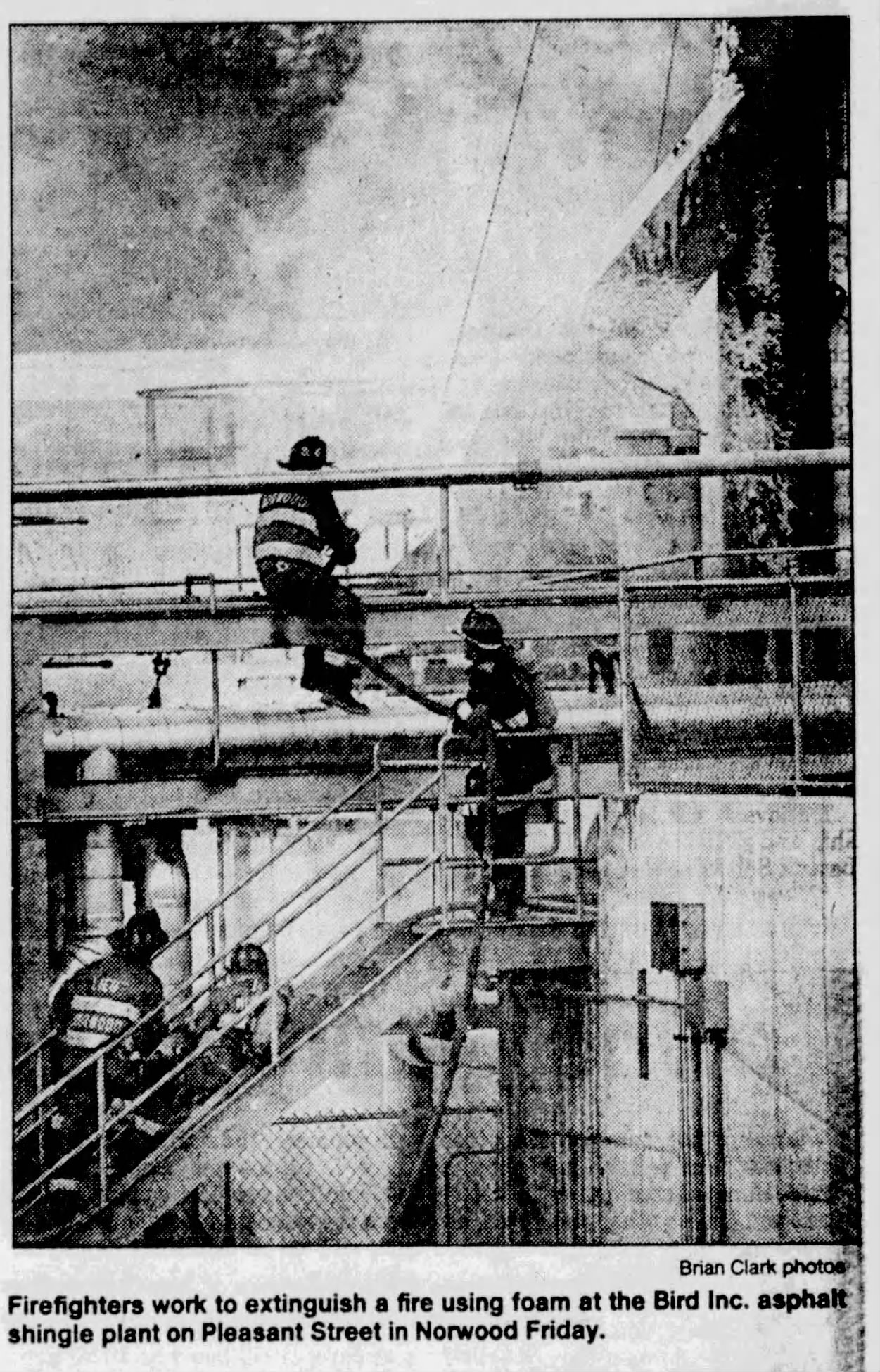
Fire Hits Norwood Bird Inc. Shingle Plant on Pleasant Street-November 11, 1995
Quick action by Norwood firefighters and mutual aid crews from surrounding towns extinguished a three-alarm fire at the Bird Inc. shingle plant on Pleasant Street after thermal oil tanks exploded Friday afternoon.
-
Second-Generation Officer Paul Bishop Praises Norwood’s Community Services and Quality of Life-September 22, 1994
Second-generation police officer Paul Bishop and local families highlight Norwood’s excellent municipal services, schools, and community pride.

-
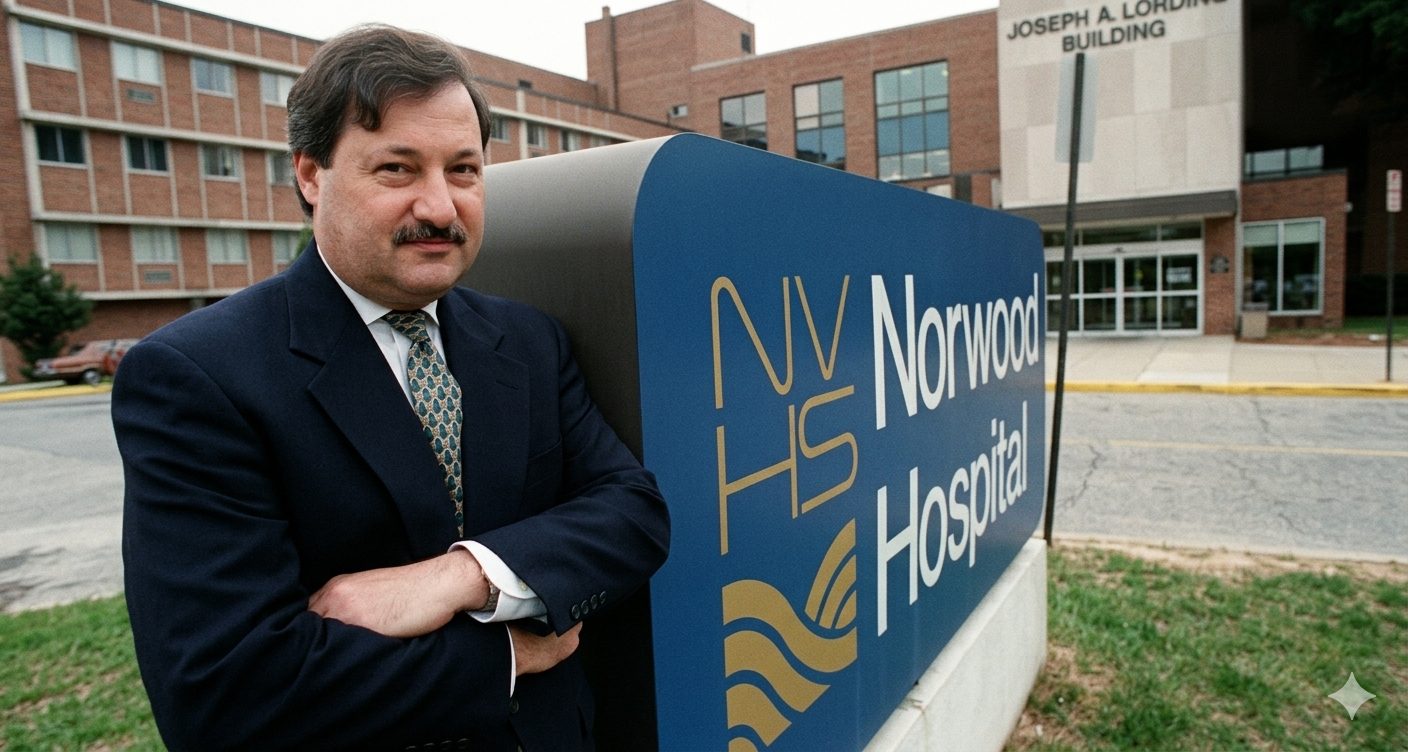
Norwood Hospital Cuts 84 Staff Jobs-This Day in Norwood History-May 1, 1994
On May 1, 1994, the community of Norwood awoke to sobering news: Norwood Hospital—long one of the region’s most stable employers—announced the elimination of 84 staff positions, a 10‑percent reduction in its workforce. The cuts reflected a seismic shift underway in American health care, one that would reshape hospitals across Massachusetts and the nation. The…
-
Norwood Hospital Opens Innovative Breast Evaluation Center-October 26, 1992
Norwood Hospital launched its new Breast Evaluation Center, bringing together an oncologist, surgeon, radiologist, and radiation therapist to provide rapid, affordable diagnoses in a single visit.

-
Norwood Hospital Released Man Later Accused of Murder-July 3, 1992
In the wake of a tragic incident that shook the community, Norwood Hospital officials addressed public concerns regarding the discharge of Steven Stivaletta, a patient who was later accused of murdering his grandmother. Frank Niro, the new president of Neponset Valley Health Systems-the entity that owns Norwood Hospital-offered the hospital’s first public explanation regarding the…
-
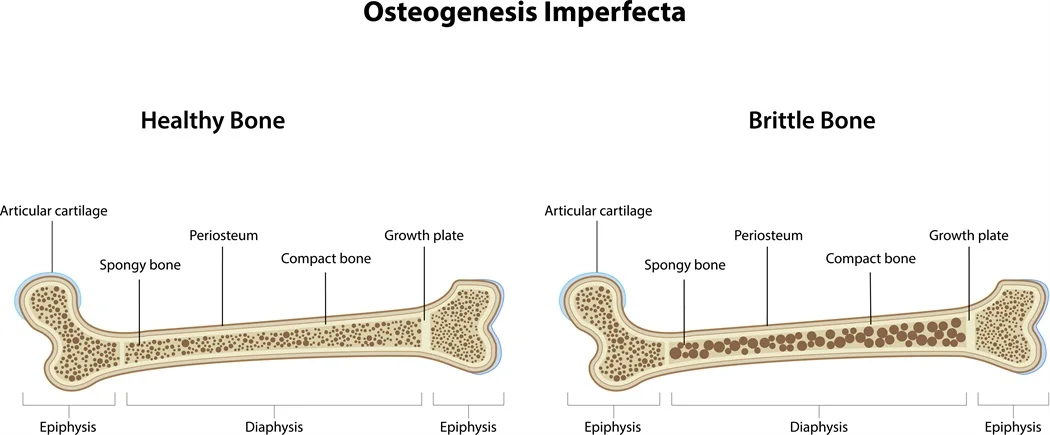
Breaking the Silence on Brittle Bone Disorder-This Day in Norwood History-June 28, 1991
A Norwood family’s national custody battle over a rare bone disorder inspires a new library support group to protect innocent parents.
-
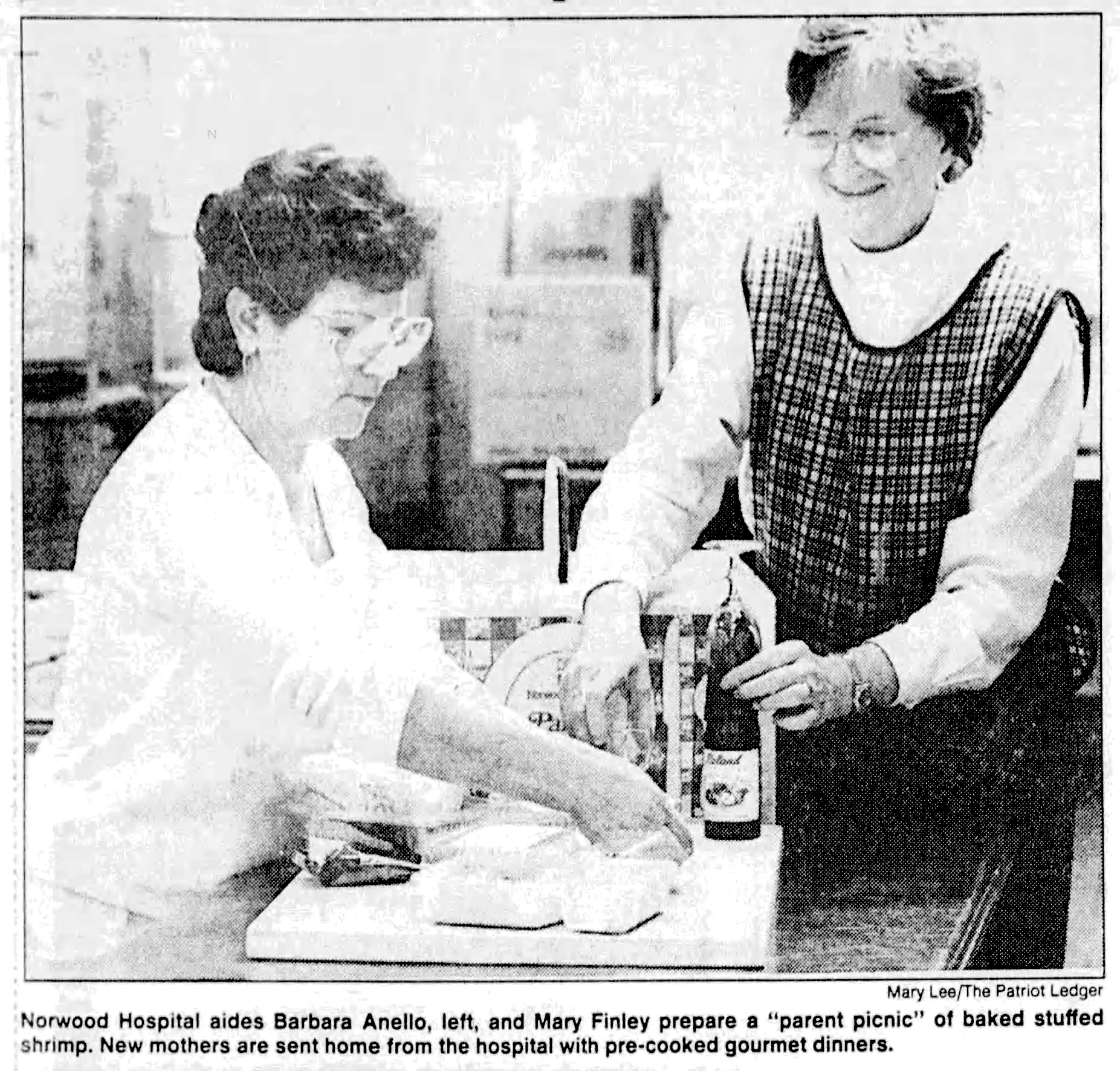
Norwood Hospital Introduces “Parent Picnic” Take-Home Gourmet Dinners for New Parents-October 16, 1989
When Joanne Bartucca checked out of the maternity wing at Norwood Hospital weeks ago, she left with two precious bundles of joy: newborn Paul Mario Bartucca (weighing in at 11 pounds, 5 ounces) and a complete gourmet dinner for two packed in an insulated basket. To ease the transition home for exhausted new parents, Norwood…
-
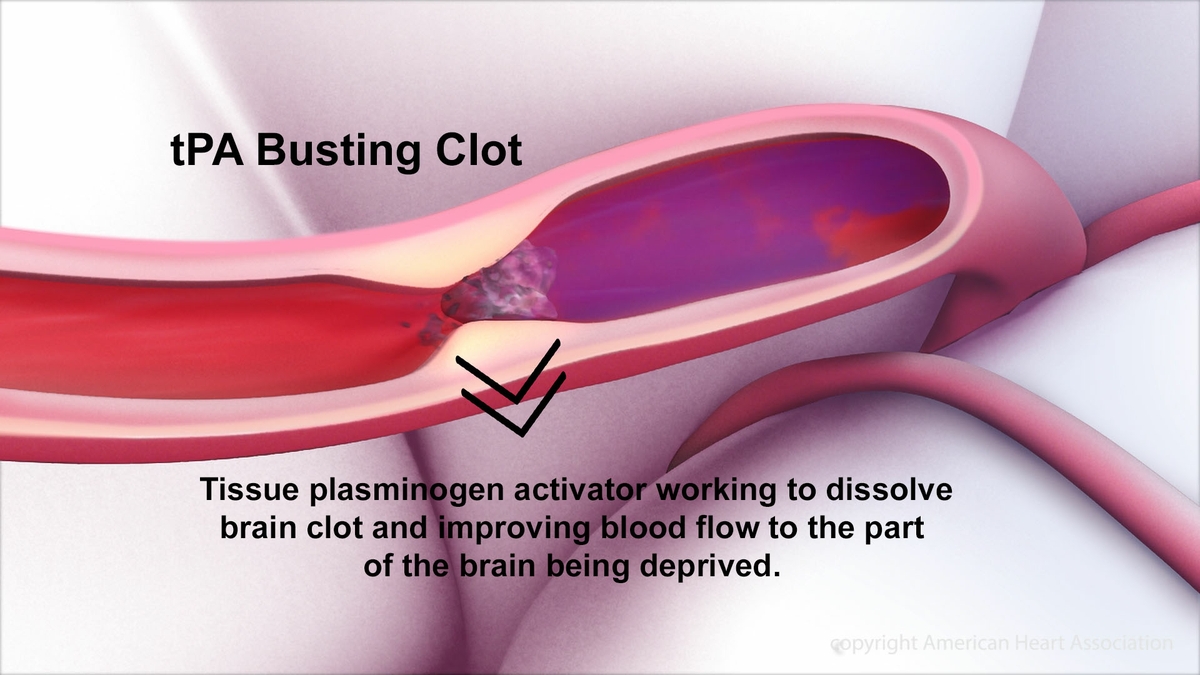
Norwood Hospital Among Pioneer Medical Centers in Clinical Trials of Revolutionary Heart Attack Drug TPA-November 14, 1987
Following successful clinical trials at Norwood Hospital under Dr. John Cadigan III, the FDA approved the breakthrough clot-dissolving heart attack drug TPA.
-
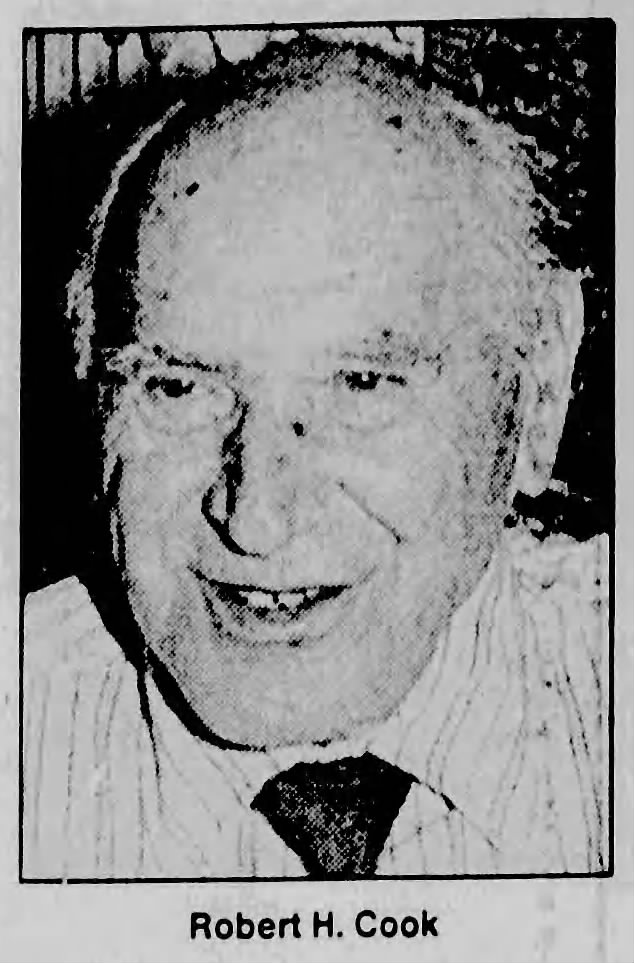
Robert H. Cook, Former Norwood Area Chamber of Commerce President and Boston Edison Union Pioneer, Dies at 87-October 16, 1987
Remembering Robert H. Cook, a dedicated Norwood civic leader, longtime Chamber of Commerce executive secretary, and influential utility union organizer.
-
Norwood Hospital Temporarily Closes 28-Bed Unit Due to Low Seasonal Occupancy-September 5, 1985
Norwood Hospital officials announced the temporary shutdown of a 28-bed medical-surgical unit yesterday, taking nearly 10 percent of the facility’s total bed capacity offline in response to a seasonal drop in patient census. Administrator Bruce Komiske firmly rejected notions that the closure signaled underlying financial instability, describing the move as a routine cost-saving measure frequently…
Discover more from Norwood Historical Society
Subscribe to get the latest posts sent to your email.