

Joan Gallagher Steps into Role as Norwood Hospital Alcoholism Coordinator
For Joan Gallagher, the newly appointed alcoholism coordinator at Norwood Hospital, receiving a midnight phone call from the police department summoning her to a jail cell to counsel a man picked up for drunkenness is simply all in a day’s work. Sometimes requiring recommendations for hospitalization to “dry out” a problem drinker or routing individuals to the nearest detoxification unit in Brockton or Quincy, Gallagher’s daily mission is tackling the less visible, deeply hidden crisis of suburban alcoholism.
A graduate of Penn State College with a master’s degree from Virginia Commonwealth Medical College, Gallagher brought extensive clinical experience to Norwood. Prior to her appointment, she spent two and a half years working in the detoxification unit at Boston’s Lemuel Shattuck Hospital, served at Boston City Hospital and Boston’s Long Island Hospital, and worked in a halfway house for recovering alcoholics. Reflecting on her career choice, Gallagher recalled advice from her boss, Dr. John Kelly, director of the hospital’s alcoholism program, who once told her, “You’re doing God’s work, helping to save lives.” Although her mother occasionally mused that Gallagher might have preferred teaching school, Gallagher finds deep satisfaction in the work, noting, “Often we can’t look for complete sobriety, but can look for better relationships, a better job, or just learning how to live without drinking.”
Addressing the Hidden Problem of Suburban Alcoholism
Unlike the visible population of homeless derelicts in Boston, Gallagher noted that suburban problem drinkers often maintain their jobs and families, making their addiction a hidden crisis. “People don’t see, or don’t admit that they have an alcoholic problem,” Gallagher explained. “They think she’s the scum of the earth.”
The suburban drinker frequently suffers in secret from cirrhosis of the liver or automotive accidents stemming from driving under the influence. However, Gallagher emphasized that suburban patients possess greater resources and a stronger chance of recovery. Norwood Police Chief James M. Murphy expressed strong support for the hospital’s outreach, establishing a cooperative protocol where police contact Gallagher—either by phone or in person—whenever an intoxicated individual is arrested. When called, Gallagher offers immediate counseling and outlines three primary courses of action: taking the person home, arranging protective custody at the hospital, or referring them to detox facilities.
Special Challenges Faced by Women and Corporate Partners
Gallagher noted that women struggling with alcoholism face severe social stigmas and are often physically sicker when diagnosed than their male counterparts. She also highlighted the harsh realities reported by female patients, observing, “I’ve found that husbands are very unsympathetic… they think she’s the scum of the earth.”
Beyond police referrals, Gallagher receives inquiries from local employers and industrial partners across the 11-town region served by Norwood Hospital, working with companies to intervene when an employee’s drinking begins interfering with job performance. Furthermore, addressing parental influence on youth substance abuse, Gallagher emphasized that parental drinking habits often exert a more powerful negative impact on teenagers than peer pressure, urging families to examine their own behavior.
Archival Note: This article has been dynamically reconstructed from the original public record print archives of the Patriot Ledger
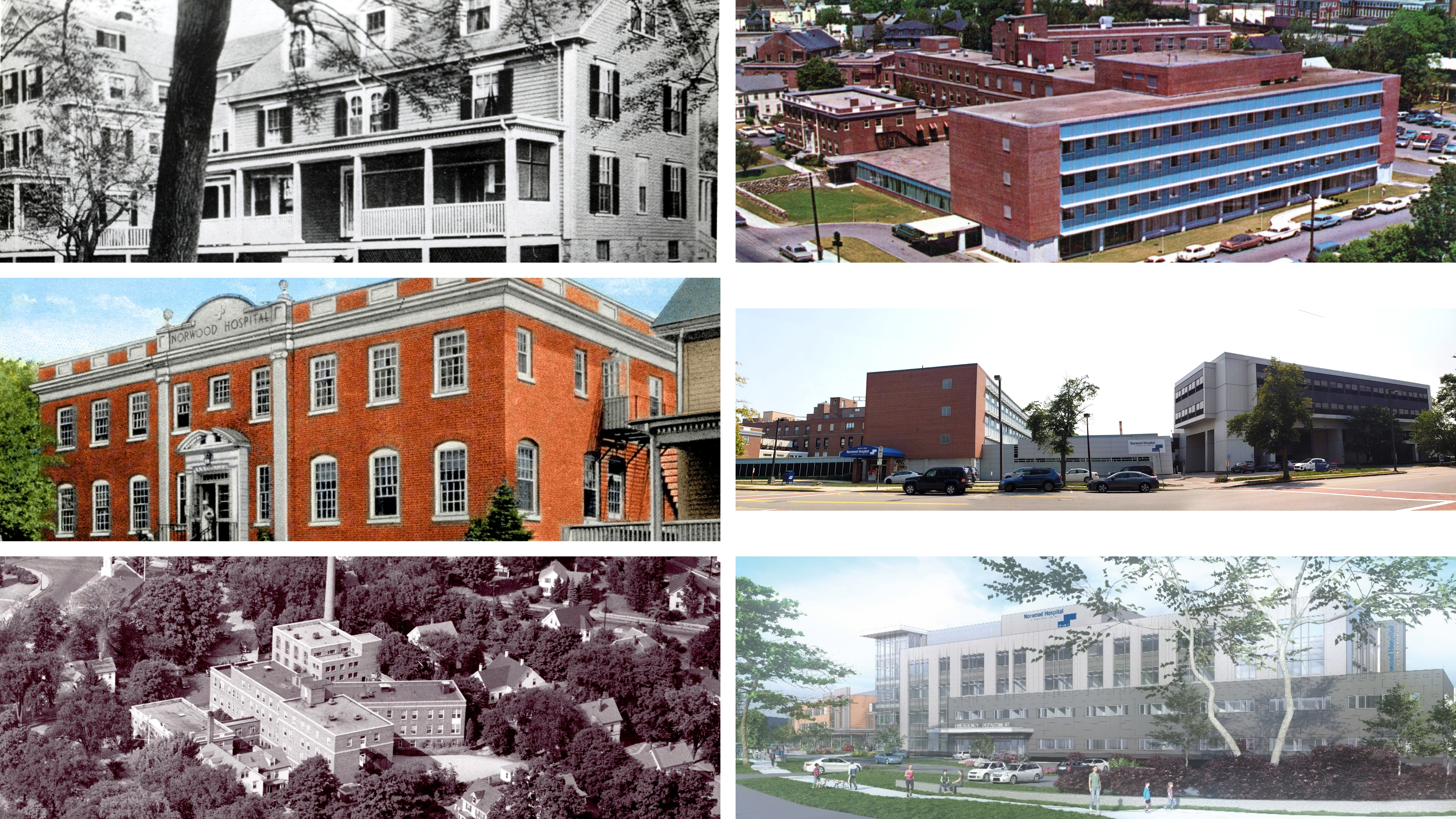
More Norwood Hospital Stories
-
Hospital Planned For Norwood-November 15, 1910
Hospital Planned For Norwood-This Day In Norwood History-November 15, 1910
Discover more from Norwood Historical Society
Subscribe to get the latest posts sent to your email.