
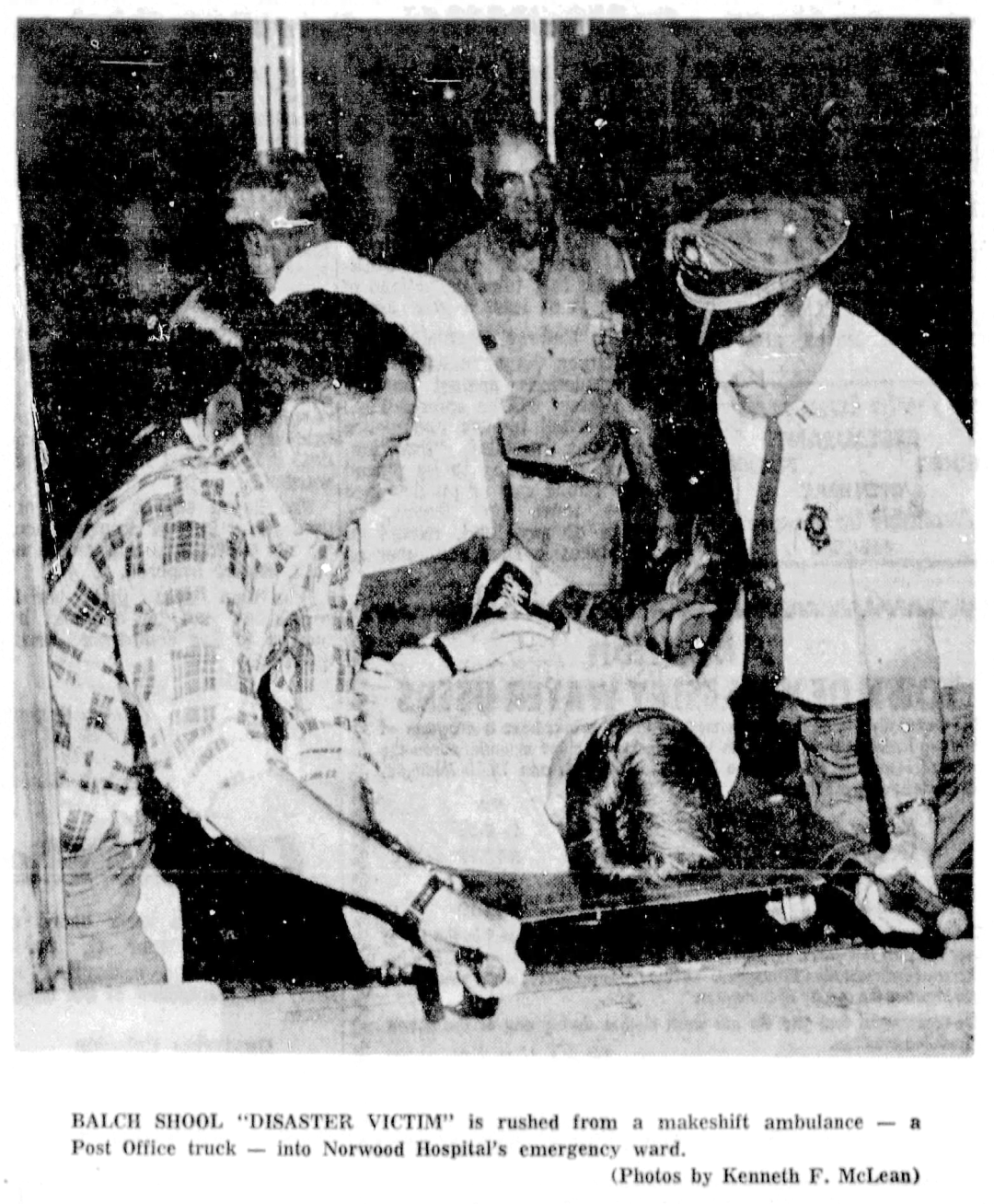
For most people, Thursday afternoon began normally and calmly. But at 3:21 p.m., the report came across the wire: the Balch School on Washington Street had suddenly collapsed, leaving 20 elementary school students with severe simulated injuries requiring immediate medical intervention.
Fortunately, the crisis was entirely fictitious—a carefully plotted surprise mass-casualty drill designed by the hospital administration to satisfy a Joint Commission on Accreditation of Hospitals requirement for a written disaster plan and regular operational rehearsals.
Mobilizing the Emergency Response
As soon as Civil Defense Director Joseph McAuliffe notified local authorities, the hospital shifted immediately into a “Code 11” disaster plan. Public nurses, administrative clerks, janitors, security police, and laboratory technicians raced to man their assigned alert posts.
Transporting the “victims” required a coordinated fleet, including a police ambulance, two Post Office trucks, a Red Cross vehicle, and the Norwood Recreation Department station wagon. Captain John P. Souza directed security personnel as they picked up the casualties from the disaster site at five-minute intervals, rushing them to the hospital’s emergency entrance.
Volunteers Play Their Parts
The volunteer “victims” were 20 members of Boy Scout Troop 83, who had assembled earlier at 3:00 p.m. at the Balch School to be outfitted with realistic masks, splints, bandages, and theatrical makeup applied by McAuliffe and an assistant.
Once inside the emergency ward, experienced doctors and nurses stood ready to triage. Women from the medical records department rushed out with index cards to tag the youngsters and record vital details. While most scouts maintained solemn expressions—including one boy whose face featured a chillingly realistic simulated wound with congealing blood—others couldn’t resist a bit of banter.
Eleven-year-old Mark Maienza, strapped into a chair after joking he had a broken back, tried to talk his way into keeping his makeup mask: “Halloween is coming,” he cajoled. Another scout, rolled through on a stretcher, yelled to a friend, “Hey, Bob. Hi. They already fixed me,” to which his companion cheerfully shouted back about imaginary internal pains before being dispatched straight to the operating room.
Smooth Execution and Sweet Rewards
Medical oversight for the drill was managed by co-chairmen Drs. Arthur Klein, Louis A. Sieracki, and Martin L. Bradford, while assistant hospital administrator Donald S. Broas served as co-coordinator alongside McAuliffe. Broas noted that while staff knew a drill was expected sometime that day, only a few key personnel knew the exact timing.
The medical staff performed efficiently: even Walpole physician Dr. Jan Skancky rushed from his crowded office upon hearing the emergency alert, checked in, and then returned to his patients once his role was complete. By 3:45 p.m., all mock victims had been completely evacuated from the Washington Street area, and by 4:05 p.m., every participant had been diagnosed, treated, and processed.
Declaring the exercise an absolute success, Broas remarked, “The real purpose of this drill is to teach people to move and to fill out forms… Of course we’re better under real conditions, like the Walpole riot last year. But the drill was a success.”
With their mission officially completed at 4:15 p.m., the hardworking Boy Scouts were treated to a well-earned reward in the hospital cafeteria: ice cream and cookies.
Archival Note: This article has been dynamically reconstructed from the original public record print archives of the Patriot Ledger
More Norwood Hospital Stories
-
Fire Hits Norwood Bird Inc. Shingle Plant on Pleasant Street-November 11, 1995
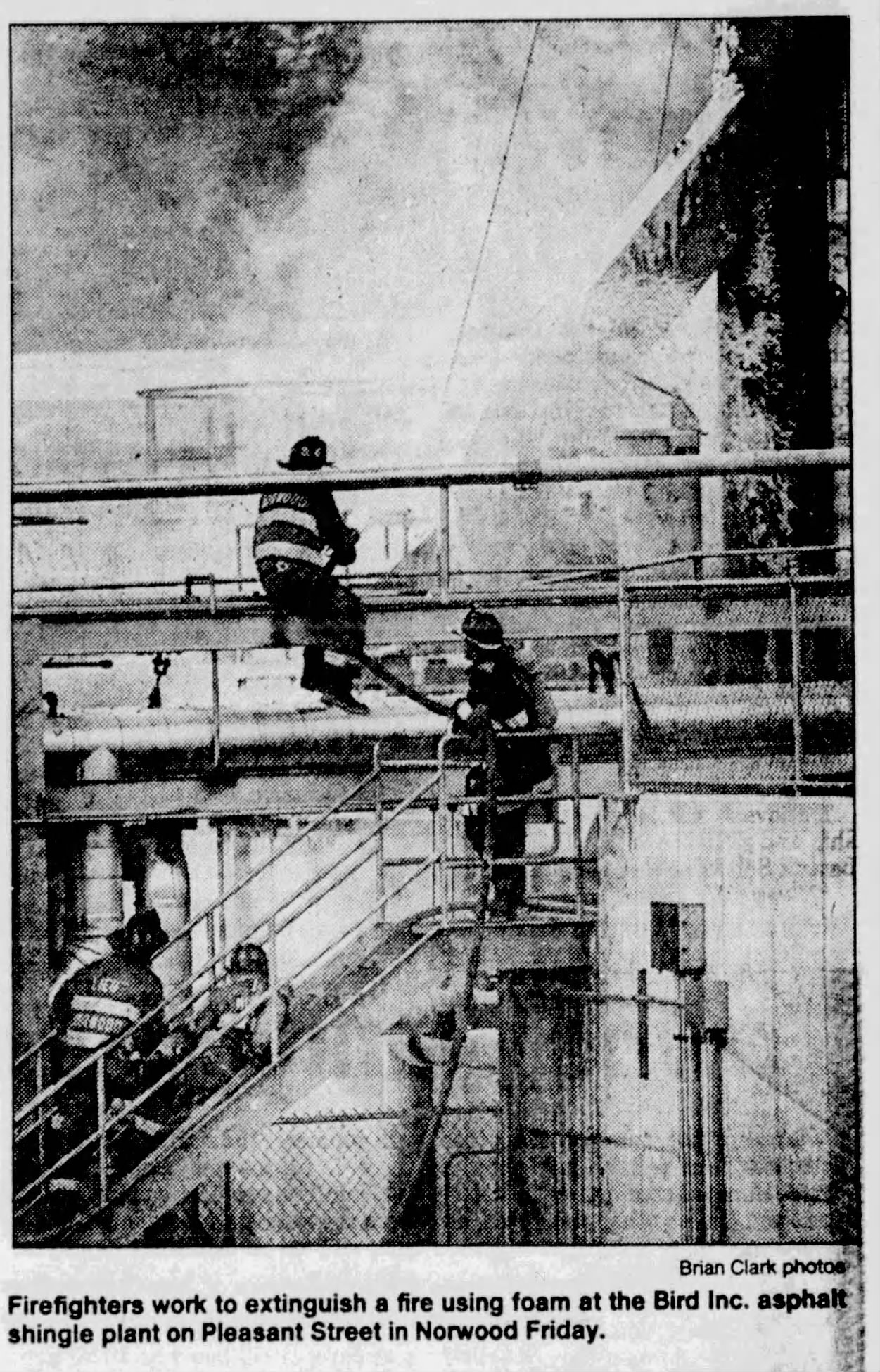
Quick action by Norwood firefighters and mutual aid crews from surrounding towns extinguished a three-alarm fire at the Bird Inc. shingle plant on Pleasant Street after thermal oil tanks exploded Friday afternoon.
-
Second-Generation Officer Paul Bishop Praises Norwood’s Community Services and Quality of Life-September 22, 1994
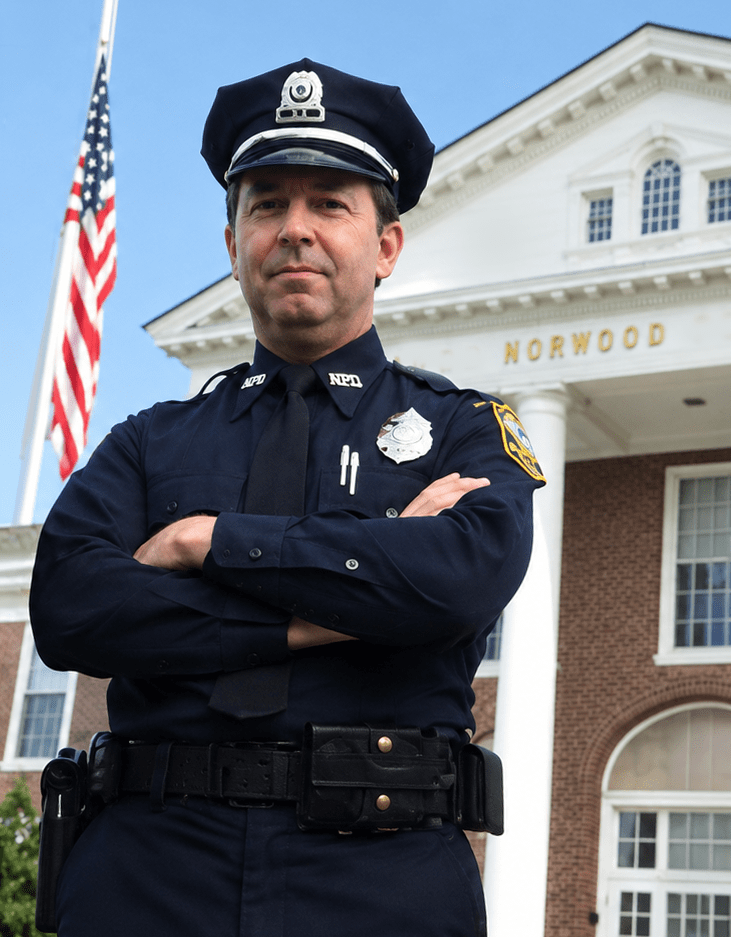
Second-generation police officer Paul Bishop and local families highlight Norwood’s excellent municipal services, schools, and community pride.
-
Norwood Hospital Cuts 84 Staff Jobs-This Day in Norwood History-May 1, 1994
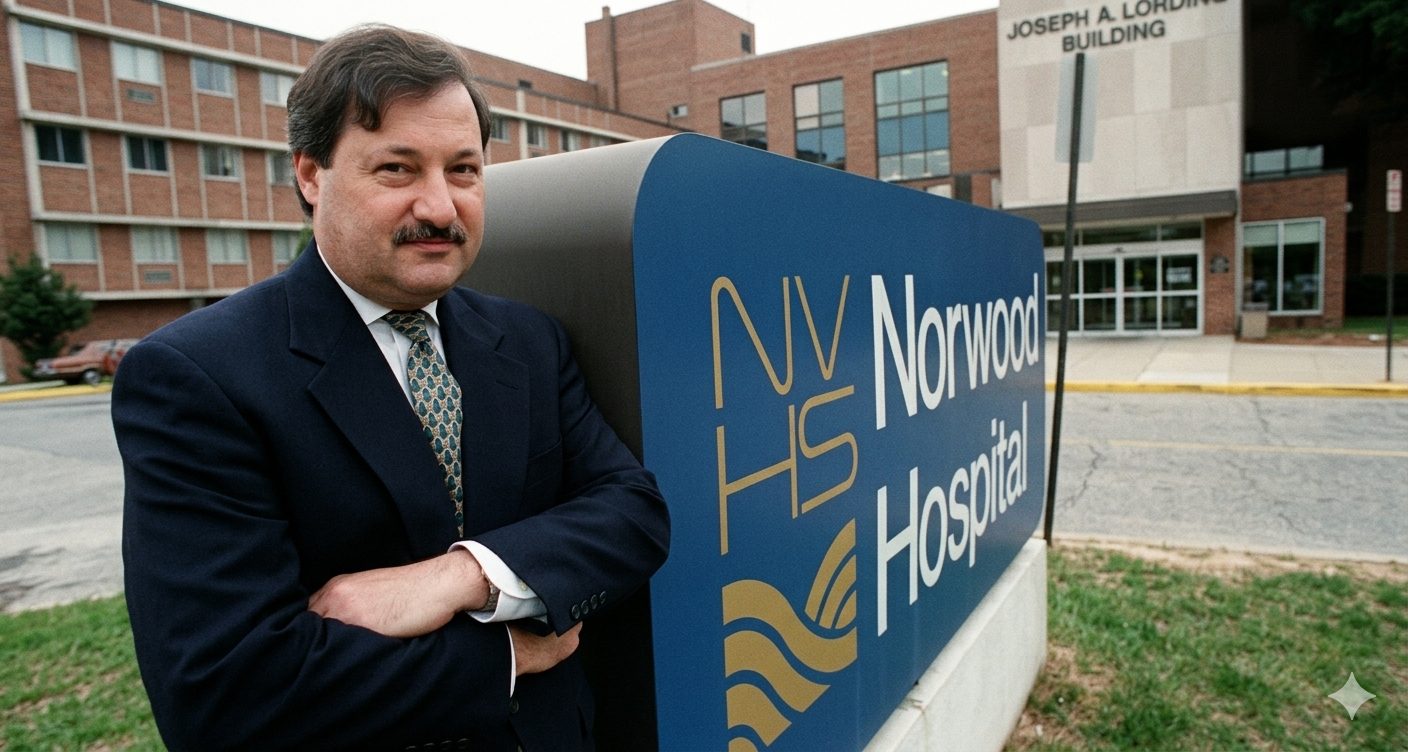
On May 1, 1994, the community of Norwood awoke to sobering news: Norwood Hospital—long one of the region’s most stable employers—announced the elimination of 84 staff positions, a 10‑percent reduction in its workforce. The cuts reflected a seismic shift underway in American health care, one that would reshape hospitals across Massachusetts and the nation. The…
-
Norwood Hospital Opens Innovative Breast Evaluation Center-October 26, 1992
Norwood Hospital launched its new Breast Evaluation Center, bringing together an oncologist, surgeon, radiologist, and radiation therapist to provide rapid, affordable diagnoses in a single visit.

-
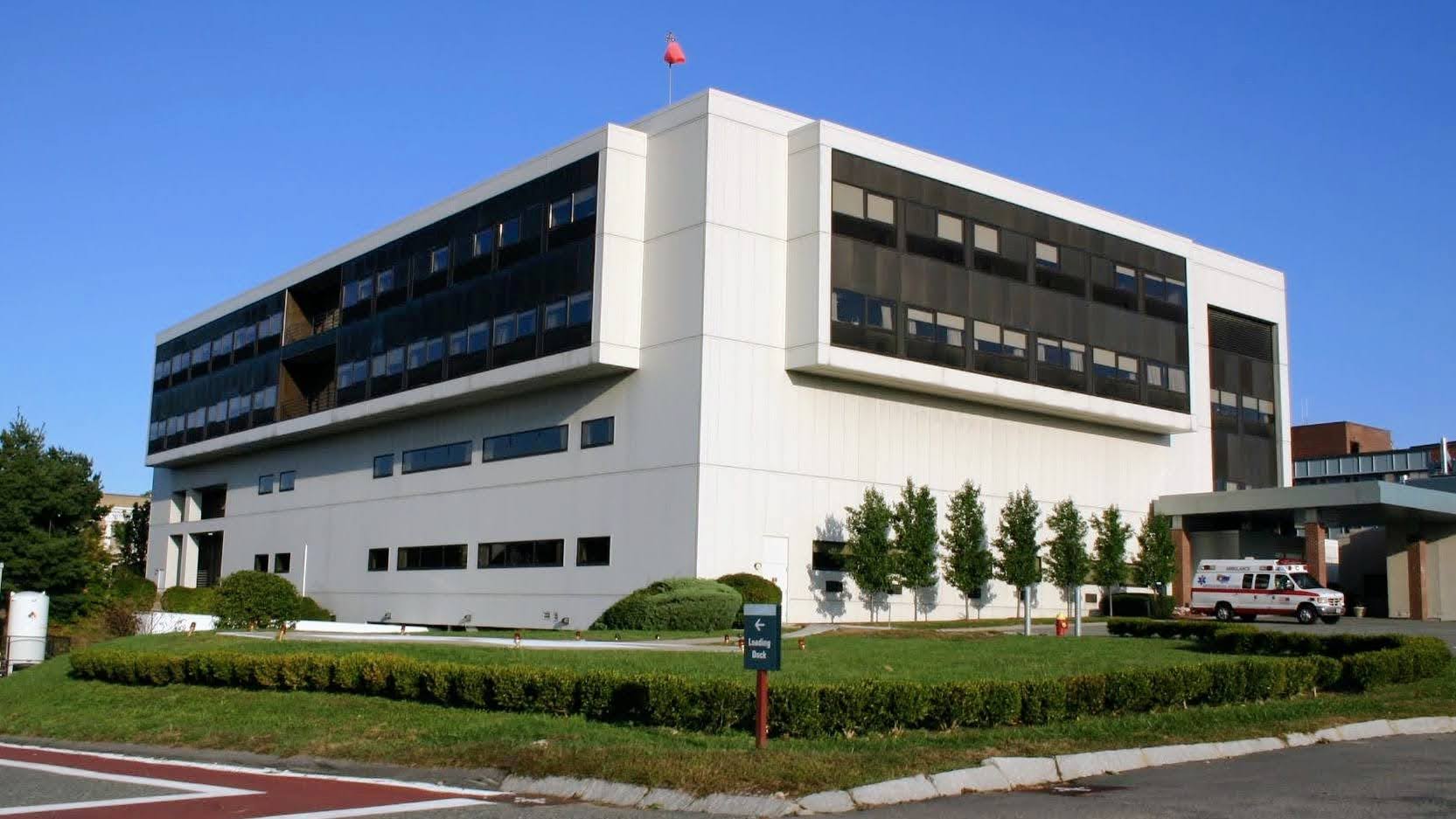
Norwood Hospital Released Man Later Accused of Murder-July 3, 1992
In the wake of a tragic incident that shook the community, Norwood Hospital officials addressed public concerns regarding the discharge of Steven Stivaletta, a patient who was later accused of murdering his grandmother. Frank Niro, the new president of Neponset Valley Health Systems-the entity that owns Norwood Hospital-offered the hospital’s first public explanation regarding the…
-
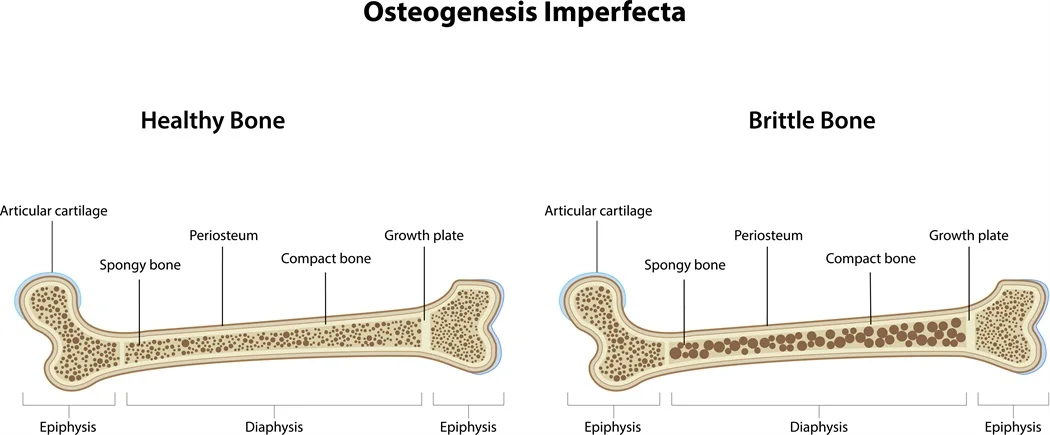
Breaking the Silence on Brittle Bone Disorder-This Day in Norwood History-June 28, 1991
A Norwood family’s national custody battle over a rare bone disorder inspires a new library support group to protect innocent parents.
-
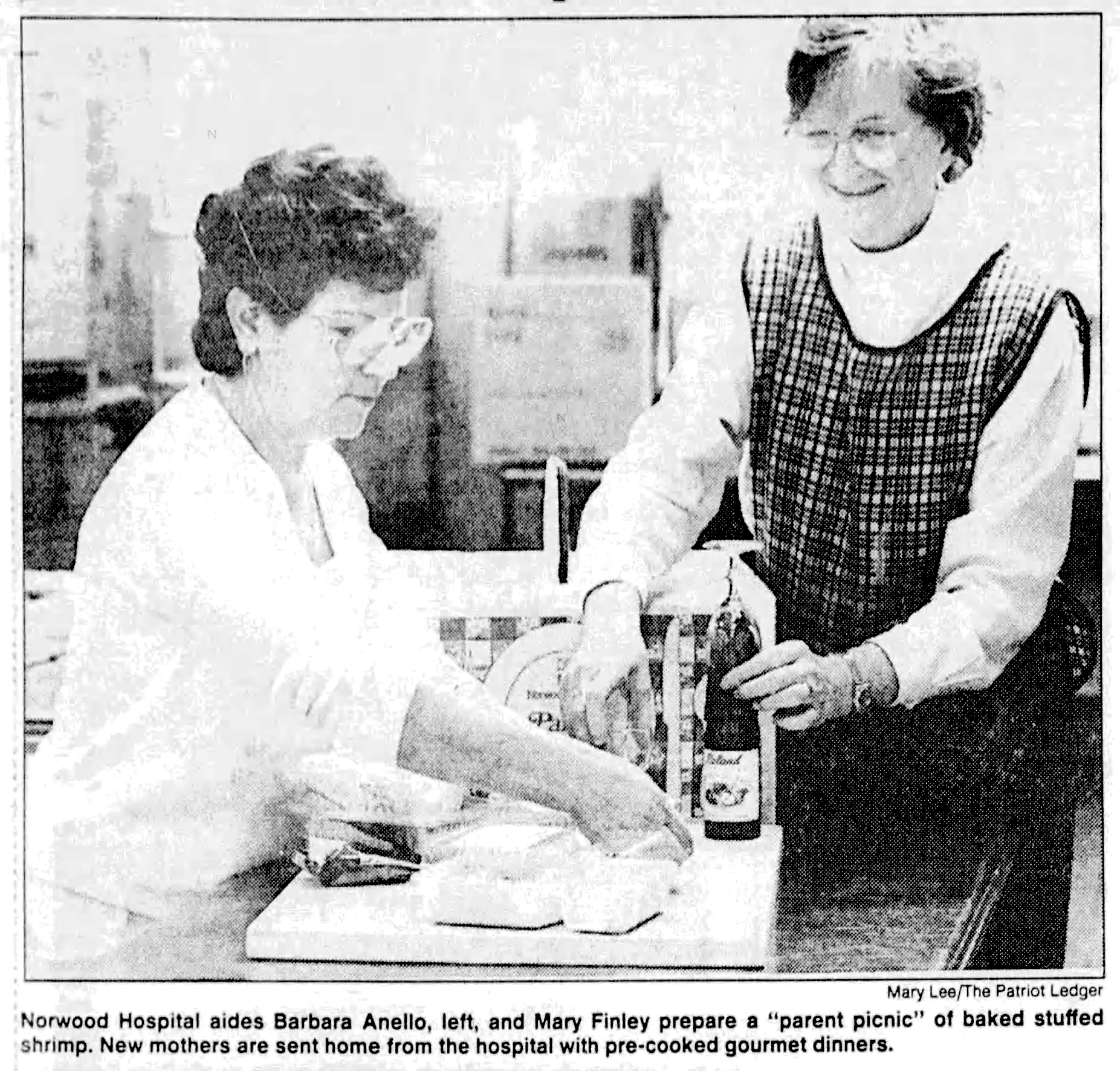
Norwood Hospital Introduces “Parent Picnic” Take-Home Gourmet Dinners for New Parents-October 16, 1989
When Joanne Bartucca checked out of the maternity wing at Norwood Hospital weeks ago, she left with two precious bundles of joy: newborn Paul Mario Bartucca (weighing in at 11 pounds, 5 ounces) and a complete gourmet dinner for two packed in an insulated basket. To ease the transition home for exhausted new parents, Norwood…
-
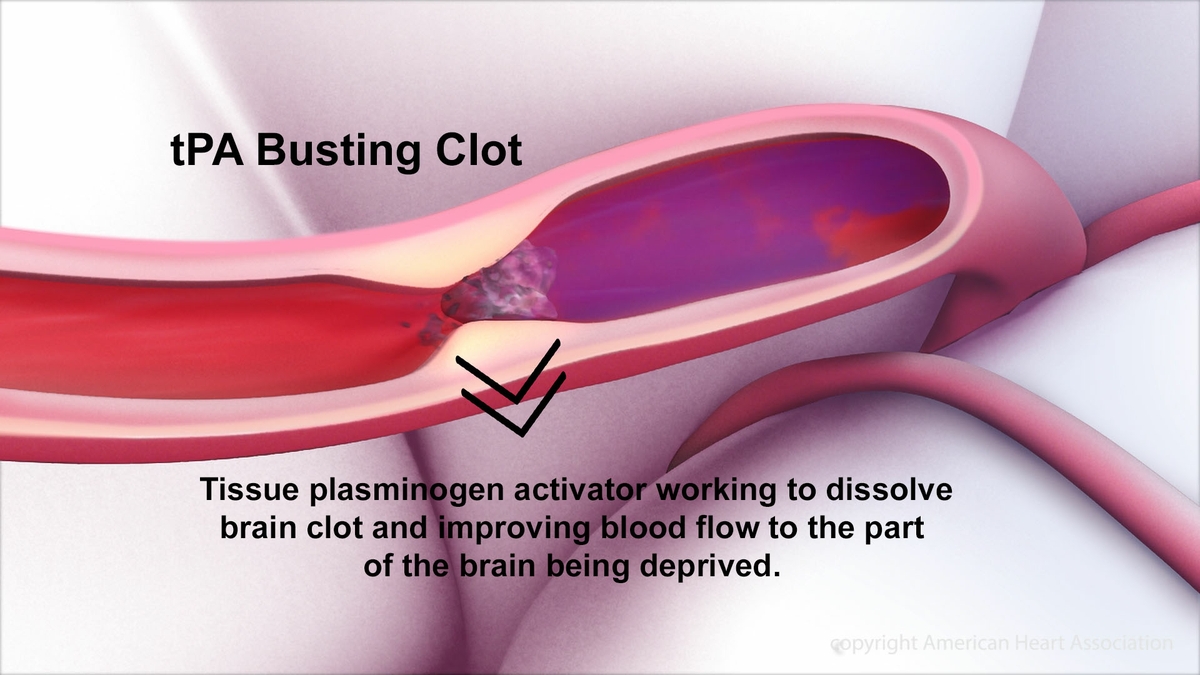
Norwood Hospital Among Pioneer Medical Centers in Clinical Trials of Revolutionary Heart Attack Drug TPA-November 14, 1987
Following successful clinical trials at Norwood Hospital under Dr. John Cadigan III, the FDA approved the breakthrough clot-dissolving heart attack drug TPA.
-
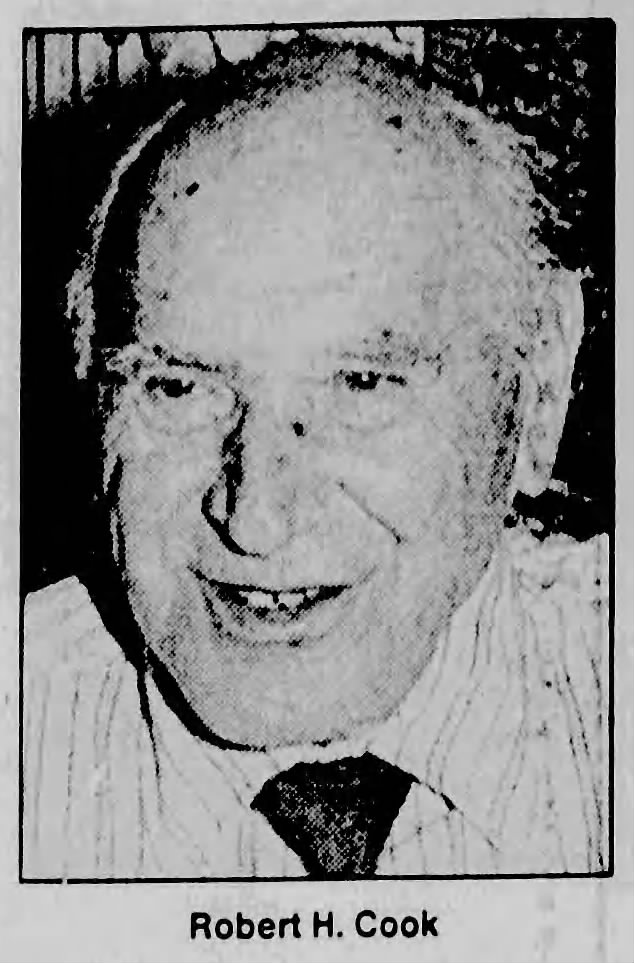
Robert H. Cook, Former Norwood Area Chamber of Commerce President and Boston Edison Union Pioneer, Dies at 87-October 16, 1987
Remembering Robert H. Cook, a dedicated Norwood civic leader, longtime Chamber of Commerce executive secretary, and influential utility union organizer.
-
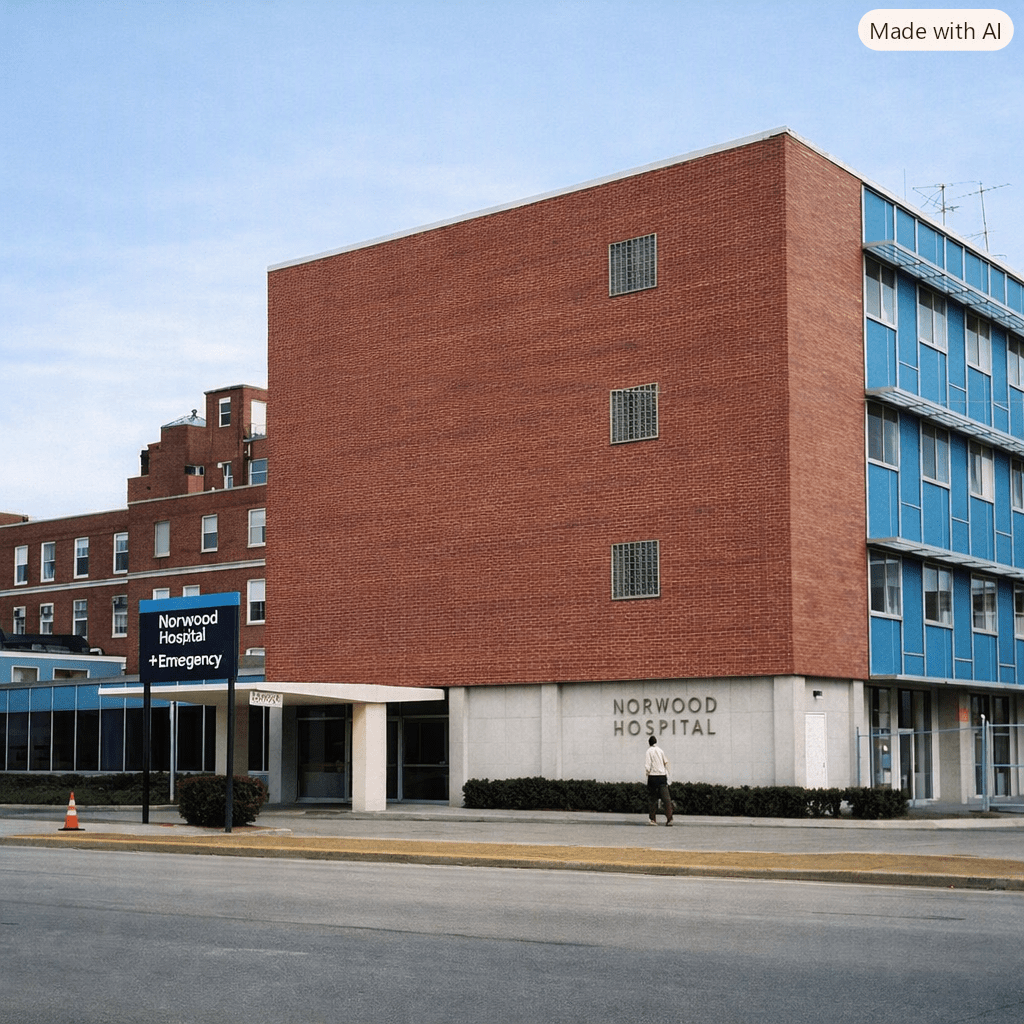
Norwood Hospital Temporarily Closes 28-Bed Unit Due to Low Seasonal Occupancy-September 5, 1985
Norwood Hospital officials announced the temporary shutdown of a 28-bed medical-surgical unit yesterday, taking nearly 10 percent of the facility’s total bed capacity offline in response to a seasonal drop in patient census. Administrator Bruce Komiske firmly rejected notions that the closure signaled underlying financial instability, describing the move as a routine cost-saving measure frequently…
Discover more from Norwood Historical Society
Subscribe to get the latest posts sent to your email.