

“Generally, the program this year is running much more smoothly than last year,” administrative assistant for student affairs George Usevich said of Norwood High School’s open campus system as it enters its second year.
To an outside observer, the school of 1,724 students appears to be operating efficiently, with pupils busily moving between classes or congregating on the front steps. However, whether the term “open” accurately applies to the campus is increasingly debatable as administrators tighten regulations and structure.
Tightened Rules and Corridor Restrictions
Last year’s open campus plan—an extended-day arrangement designed to maximize facility use by adding two daily periods and granting students greater responsibility for their personal and educational development—encountered growing pains, particularly regarding hallway congestion.
To combat this, the school administration compiled some 65 improvement proposals over the summer, several of which have already been implemented:
- Corridor Bans: Main corridors are now strictly off-limits to students except for a five-minute window at the beginning and end of each class period. Teachers are assigned specific corridor duty to challenge lingering students. The rule is partially lifted only during inclement weather. Usevich noted that this policy has successfully resulted in “less commotion, less distraction to teachers.”
- Sophomore Restrictions: Sophomores have been virtually eliminated from open campus privileges by having their classes scheduled exclusively during periods three through nine, though they may attend morning school activities. A special orientation day was held for sophomores this year, featuring addresses by faculty, student council members, and guidance officers, alongside a detailed review of the mandatory student-parent open campus contracts.
- Discipline and Attendance: While disciplinary restriction times have been reduced in some cases, a strict new attendance policy denies course credit to any student missing 25 percent of class meetings unless absences are explicitly substantiated by a doctor. The policy has created a heavy record-keeping load currently under review by assistant principals.
Student reaction to the tightened controls is mixed. While some appreciate the order, a senior remarked, “The kids think it’s stupid,” while a junior added, “I kind of resent it because I don’t really need to be controlled like that. But I guess it is easier on the teachers.”
Parking remains an ongoing headache, with student parking restricted to an inadequate area near the tennis courts. Nonetheless, Usevich expressed sympathy for student drivers: “With 1,724 kids, an element in the school population definitely needs cars, for work, to get home, to do errands.”
Expanded Seminars, Film Programs, and Community Involvement
Despite increased regulation, the academic and enrichment programs have expanded significantly:
- Seminars Replacing Minicourses: Last year’s minicourses have returned under the new name “seminars,” running continuously during periods three through eight. Offerings include an accounting seminar featuring Gus Sacre of Bird and Son, a stock market investing seminar paired with economics, a law enforcement seminar linked with law and sociology, and an auto mechanics course in conjunction with industrial arts.
- Cultural and Contemporary Programs: A packed schedule of enrichment events includes a visit from a United Farm Workers speaker and the screening of “Decision at Delano”, musical performances by the Navy and Army bands, and informational visits from all military branches on Armed Forces Day. Film programs shown in the auditorium feature sports, travel, and animal shorts—though a classic Charlie Chaplin movie proved to be the most popular drawing card.
- Student Council Reform: Student council elections have been modified so that all delegates are elected at large, with any interested student permitted to place their name in nomination—a change Usevich said has fostered a more committed council membership.
As part of the state Department of Education’s annual evaluation mandate, the school has formed 12 committees to review various aspects of the program. The first Open Campus Evaluation Day is scheduled for October 20 from 1:00 to 3:00 p.m. at the high school, with history teacher Theodore A. Curtin serving as evaluation day chairman.
Archival Note: This article has been dynamically reconstructed from the original public record print archives of the Patriot Ledger
-
Aaron Guild School Leased to Norwood CETA Consortium and EdCo for One Year-August 1, 1979

Norwood selectmen voted unanimously to lease the closed Aaron Guild School for one year to the Norwood CETA Consortium and the Educational Collaborative of Greater Boston (EdCo) for $148,000.
-
Norwood School Bus Billing Questioned-July 31, 1979
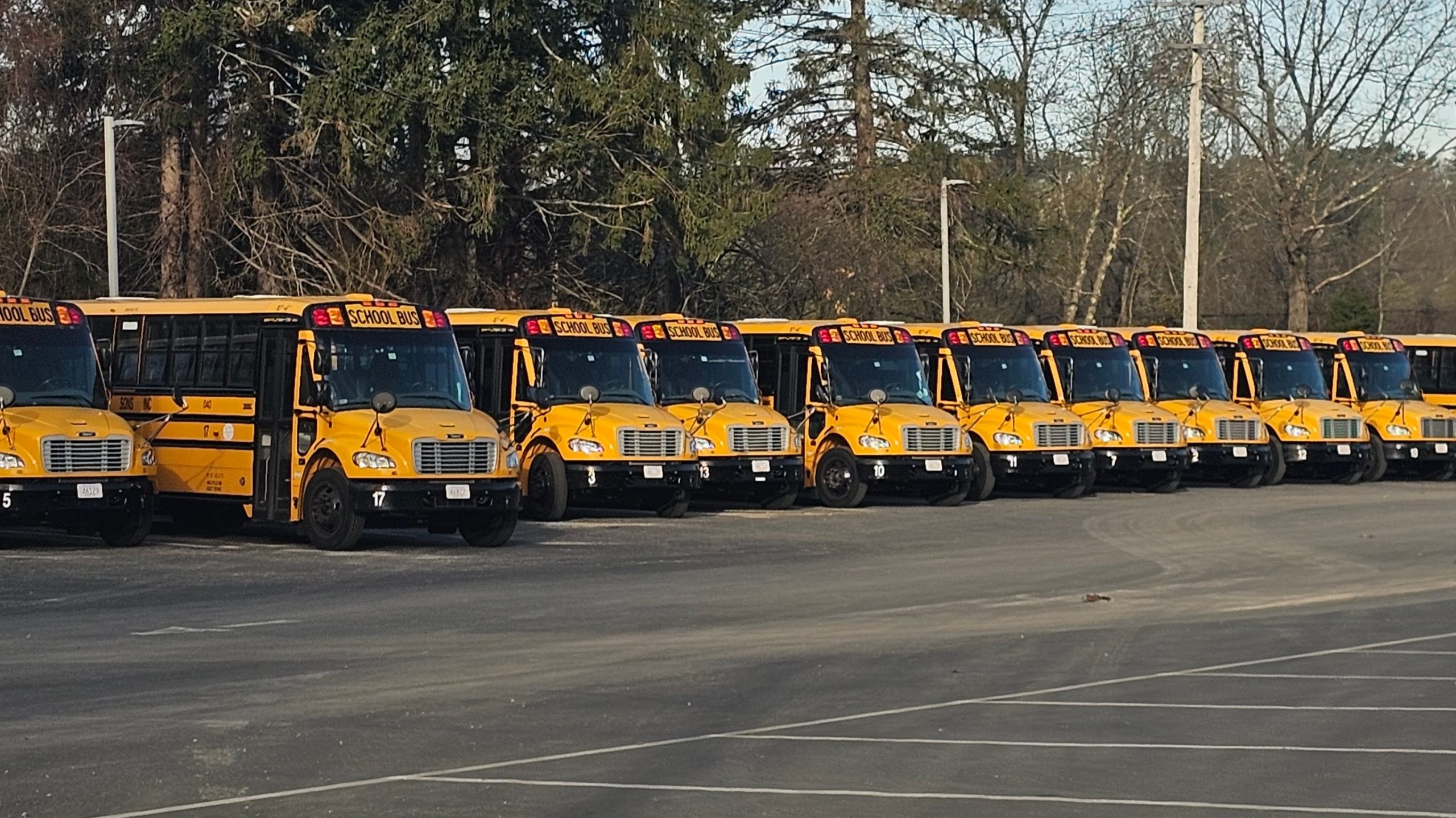
The Patriot Ledger’s July 31, 1979 edition brought to light a controversy surrounding the billing practices of Kiessling School Transportation of Dedham, which had been contracted by the town of Norwood to transport special needs children. The issue at hand was whether the company had overcharged the town for mileage on certain routes. According to…
-
School Supplies Budget Maintained at Prior Year Level Amid Spending Pressures and Utility Shortfall Concerns-September 14, 1978

Superintendent Louis J. Taris reports that Norwood’s school instructional supplies budget maintains prior-year per-pupil rates despite tight spending constraints.
-
School Department Releases Bus Routes and Eligibility Rules-August 30, 1978

As the late-summer excitement of a new academic year approached in 1978, the Norwood School Department officially released its comprehensive student transportation schedules, route mappings, and eligibility guidelines for the upcoming school term. Designed to ensure safe and orderly transit for thousands of local students, the announcement established clear boundaries and behavioral expectations for families…
-
Norwood School Committee Considers Staggered School Closing Plan-July 14, 1978
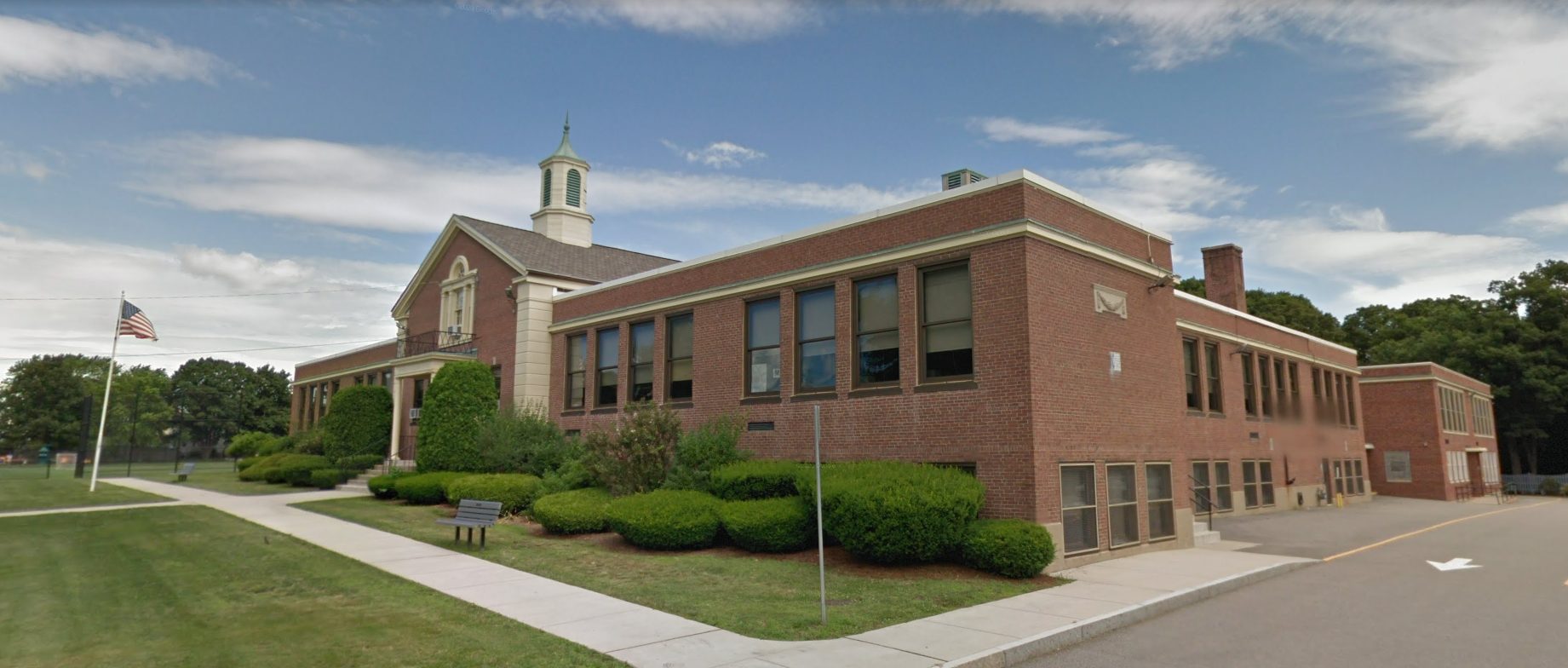
The school housing needs committee last night recommended a second school closing plan that would close the doors of the Callahan School in September, shut down the Balch School in 1981 and close a third, unnamed elementary school in 1983. The plan was backed by seven of the nine members voting and was billed as…
-
Norwood High School Accessibility Concerns-July 10, 1978

On July 10, 1978, parents of handicapped students in Norwood voiced serious concerns regarding the lack of physical accessibility at the local high school. Mrs. Charlotte Haskell, president of the Norwood Special Needs Parents Group, recently sent a formal letter to School Superintendent Philip O. Coakley. In the communication, she urged the district to take…
-
School Board Recall Urged-July 8, 1978
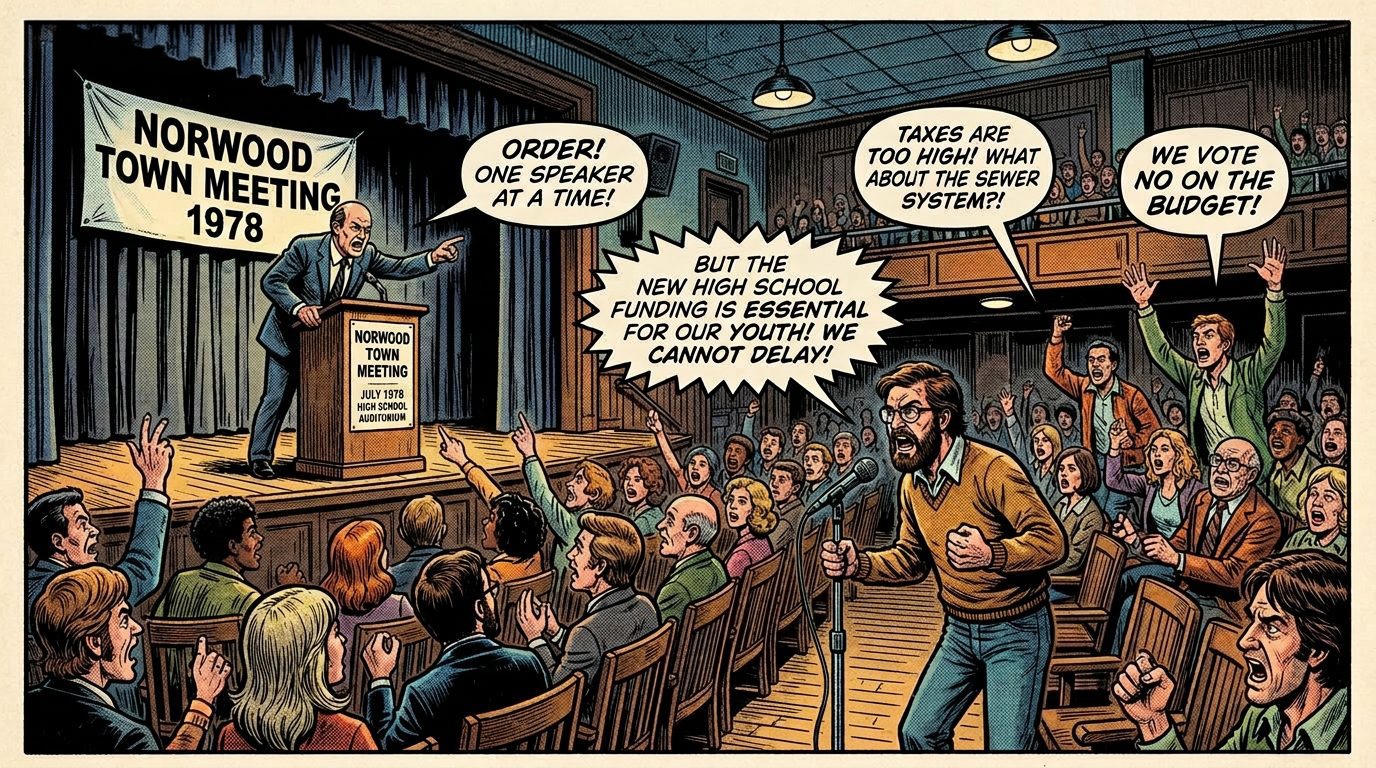
Discover the 1978 budget battle in Norwood, where deep cuts to the school district’s $11.3 million budget led to a controversial recall effort and a lawsuit involving the Massachusetts Teachers Association.
-
Taxpayers Sue to Restore School Budget-July 6, 1978

Seeking to prevent a mid-summer school closure, 36 Norwood taxpayers filed a lawsuit in 1978 to restore $600,000 in education funding.
-
Henry O. Peabody School Hosts Fifth Annual Harvest Fair and Flea Market-October 15, 1977
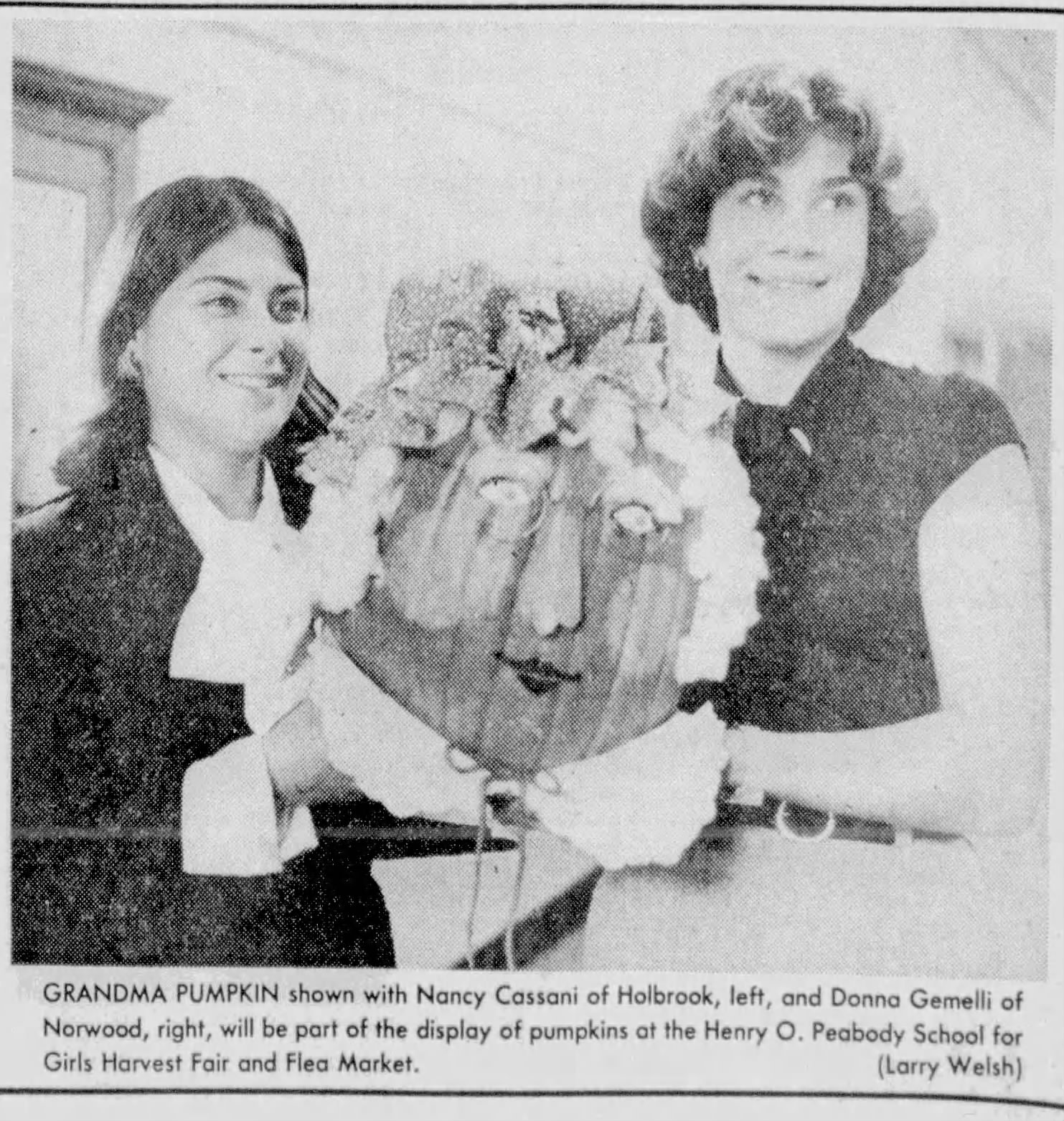
The Henry O. Peabody School for Girls holds its fifth annual Harvest Fair featuring food booths, crafts, flea market treasures, and student fundraiser activities.
-
Willett School PTA Launches Petition Drive to Fight Potential School Closure-October 11, 1977
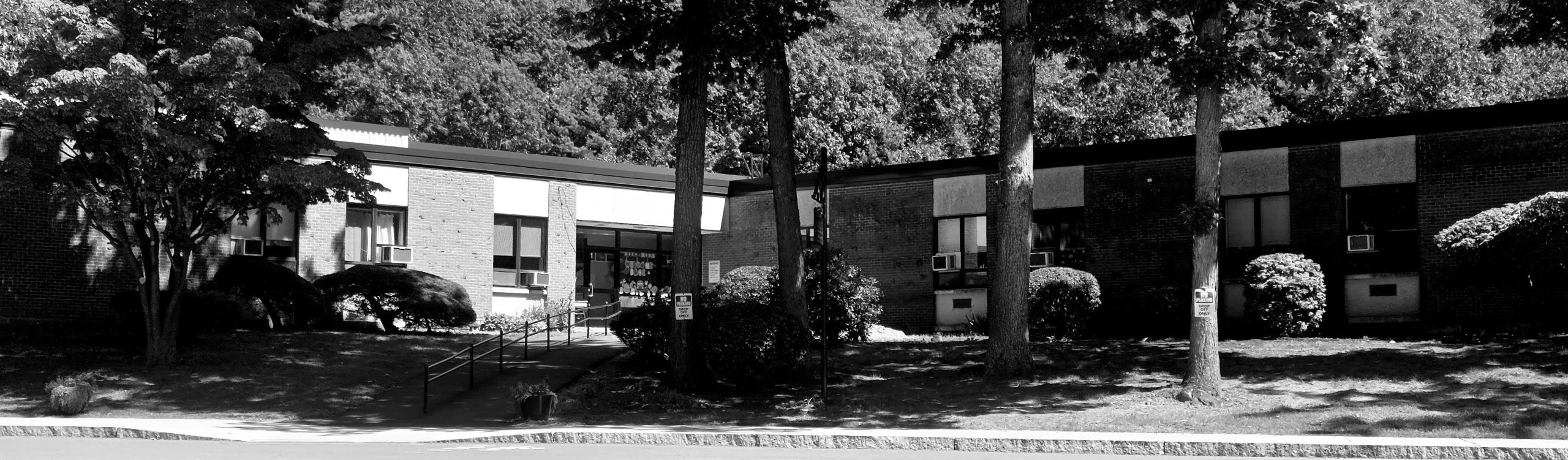
Facing declining student enrollments across Norwood, the Willett School PTA initiates a petition drive to keep their school open, while school officials weigh options.
Discover more from Norwood Historical Society
Subscribe to get the latest posts sent to your email.