
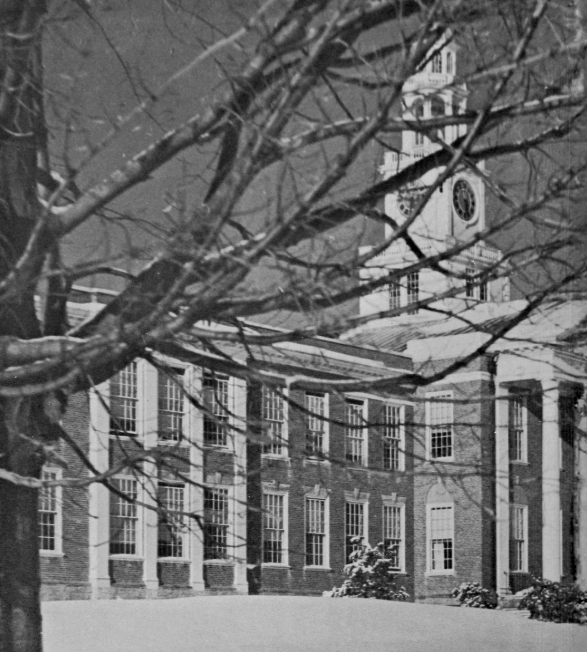
State Clears Four Area Schools While Norwood Schedules Reinspection
Following comprehensive inspections by the Massachusetts Department of Labor and Industries, four out of five area schools previously flagged for potentially hazardous asbestos ceilings have been given a clean bill of health after completing ceiling replacements and remediation work.
In October 1978, a special state asbestos commission identified five regional schools containing concerning levels of sprayed asbestos in ceiling coverings. While remediation projects removed hazardous materials in surrounding communities, Norwood High School was rechecked and found to be safe. However, as a precaution, state inspectors have mandated that the corridors and classrooms within the school’s 1962 addition be reinspected again next year.
Regional Asbestos Remediation & Inspection Status
Area Schools Remediation Summary
- Norwood High School: Rechecked and found safe; 1962 addition scheduled for reinspection next year.
- Memorial Middle School (Hull): Auditorium ceiling completely replaced with non-asbestos materials under the direction of business manager Leonard Colten.
- E. Lyons Elementary School (Randolph): Corrective work completed in hallways.
- Broadmeadows Junior High School (Quincy): Remediation finished in halls, cafeteria, and corridors.
- Milton High School: Corridors cleared following corrective measures.
Statewide Survey & Health Context
- Statewide Scope: **Harold Bavley** of Milton, director of the Division of Occupational Hygiene and Industrial Safety, noted that inspectors have surveyed **1,432 schools** out of 2,400 statewide (focusing on buildings constructed or renovated between 1946 and 1972).
- Financial Assistance: The Massachusetts Legislature appropriated **$2 million** to reimburse up to 74 percent of asbestos removal costs for approximately 50 applicant schools.
- Health Risks: Inhalation of airborne asbestos fibers has been linked to lung scarring, respiratory illnesses, and lung cancer, which can take years to manifest.
Ongoing Monitoring and Wear-and-Tear Factors
According to state health officials, ceiling coverings that are safe one year can deteriorate due to environmental factors or physical wear. Schools are placed on annual or triennial review schedules depending on facility conditions.
Bavley explained that disturbances are frequently triggered by roof and water leaks, maintenance activities, or physical contact with ceiling and pipe insulation. State authorities continue to survey public buildings across the Commonwealth to ensure long-term safety for students and staff.
Archival Note: This article has been dynamically reconstructed from the original public record print archives of the Patriot Ledger
-
It’s Time to Decide on Fate of Old High School-November 10, 1980
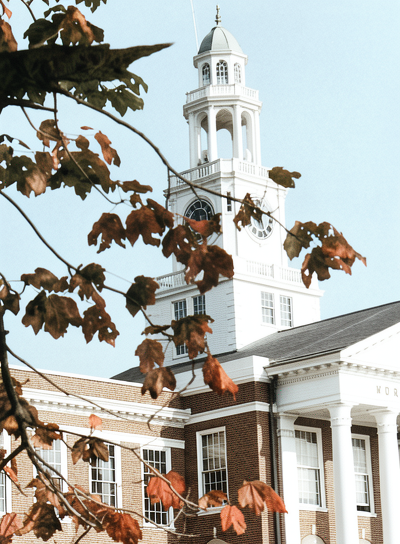
Facing Proposition 2½ and declining enrollments, Norwood school leaders are evaluating a 39-page NEASC report calling for urgent renovations to the high school, particularly its library media center.
-
Winslow School eyed for elderly housing-September 3, 1980
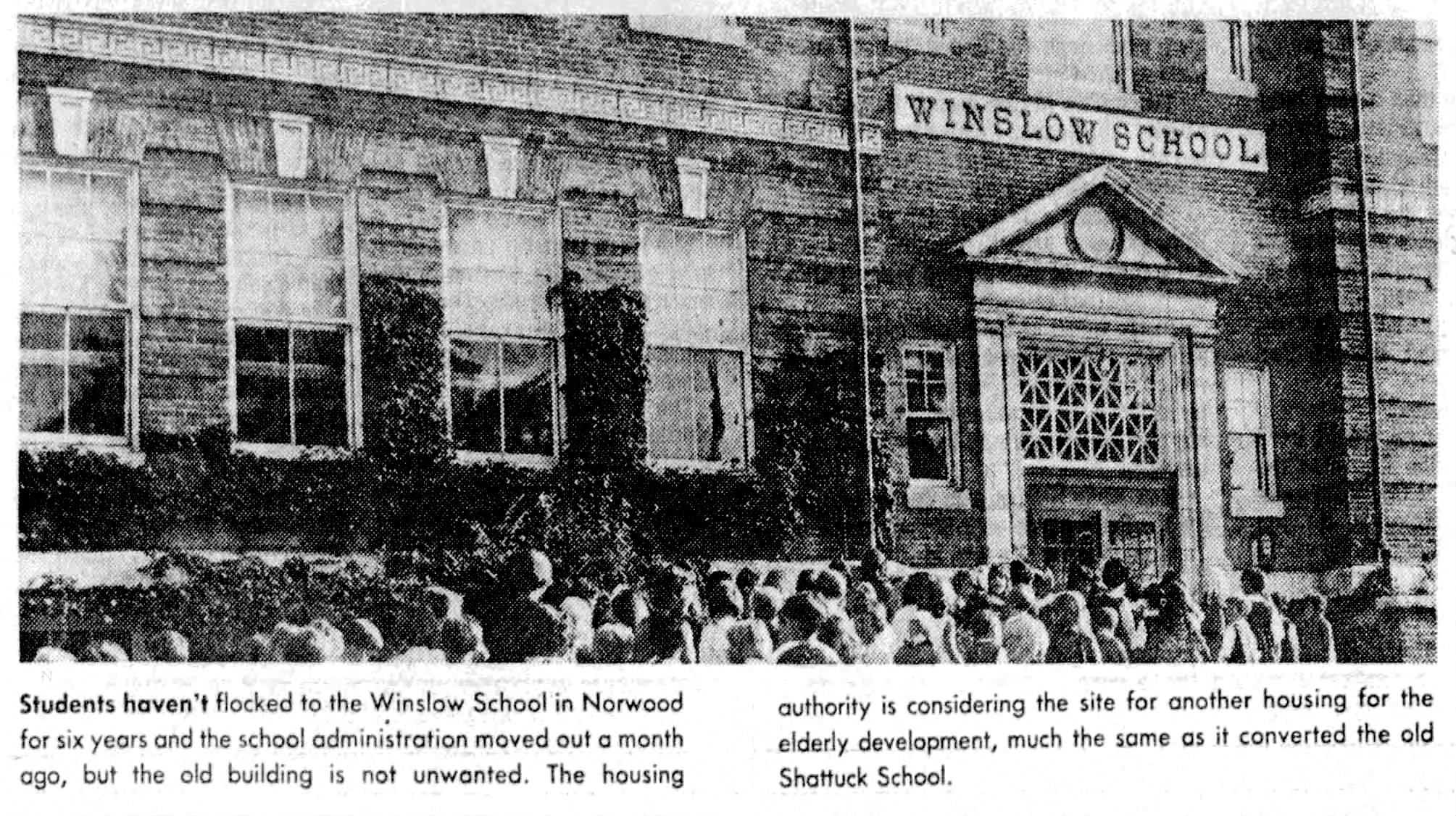
Following the closure of school administrative offices at the Winslow School, the Norwood Housing Authority is actively setting its sights on converting the historic four-acre property at the corner of Chapel Street and Winslow Avenue into much-needed housing for the elderly. During a unanimous vote last night, the housing authority agreed to submit a formal…
-
Norwood School Board Rejects All Special Needs Busing Bids-August 21, 1980

With opening day just two weeks away, the Norwood School Committee voted 4-3 to reject all bids received the previous week for special needs student transportation. Acting under emergency procedures, the board announced it will call for new bids by Tuesday, with a potential contract award scheduled for Wednesday night. The rejected proposals came from…
-
Henry O. Peabody School Director Ruth Shea Ponders Retirement After 14 Years-August 12, 1980
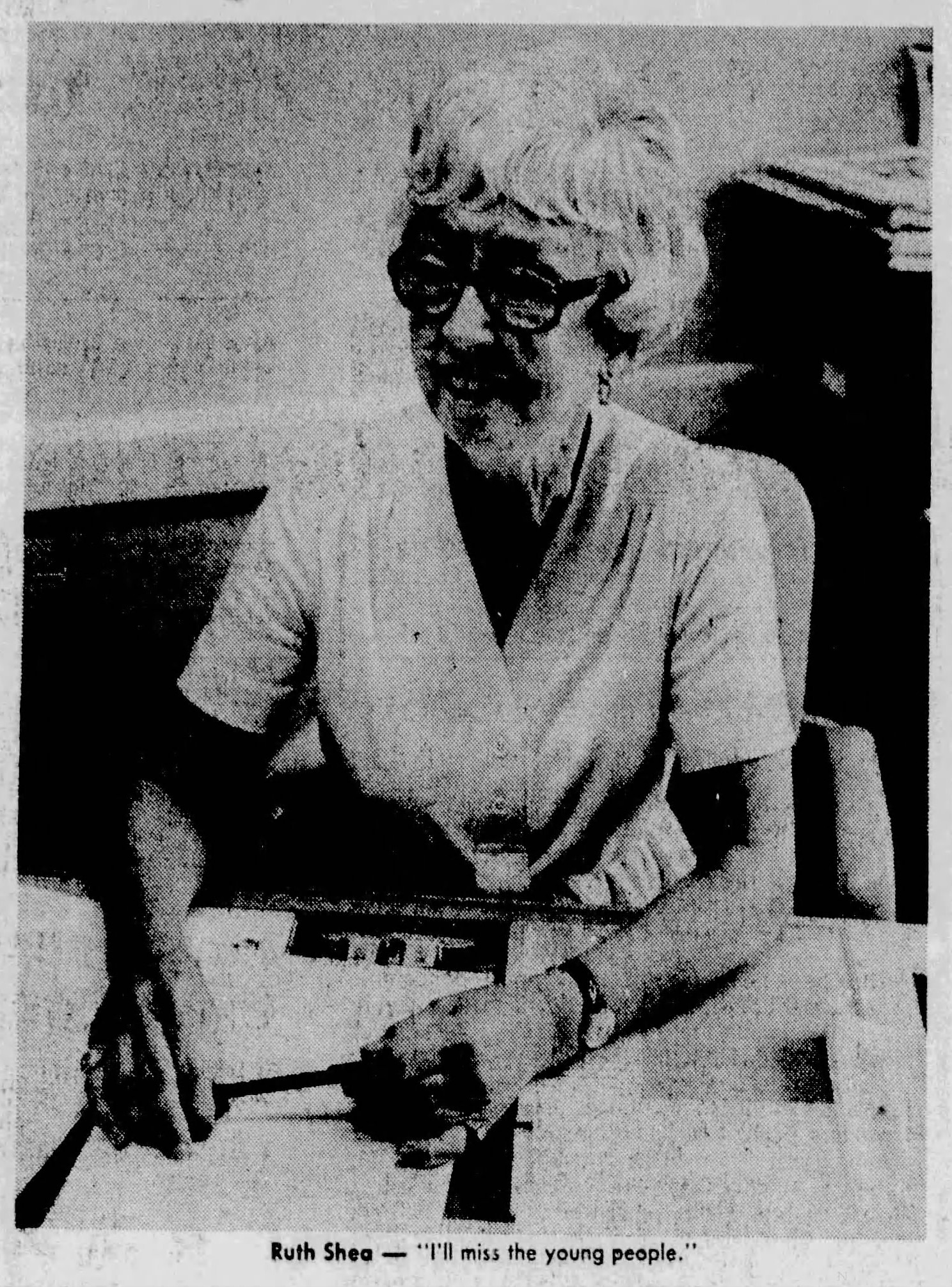
After 14 years expanding vocational education, Henry O. Peabody School director Ruth Shea ponders retirement while securing a 97 percent graduate job placement rate.
-
Norwood School Administration Relocates to Willett School-July 24, 1980
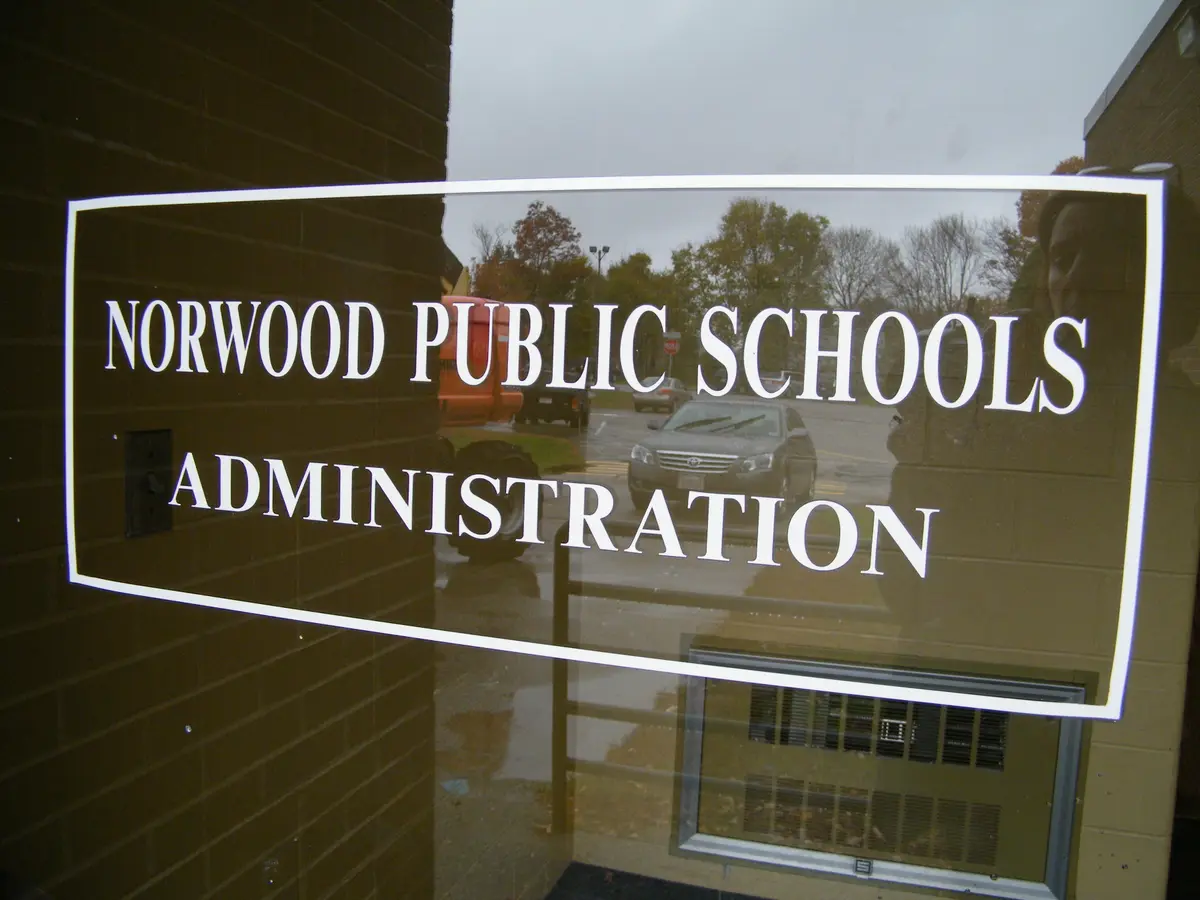
The Norwood School Administration relocated to the George F. Willett School and enacted strict new graduation credit requirements.
-
Students to Face Stiffer Standards-July 18, 1990

In 1990 the town of Norwood was on the cusp of a significant change in its educational system. The school administration, led by Superintendent Louis J. Taris, had been studying ways to improve academic standards for over a year and a half. The result of this study was a proposal to double the number of…
-
George F. Willett School Faces Potential Temporary Reprieve-October 18, 1979
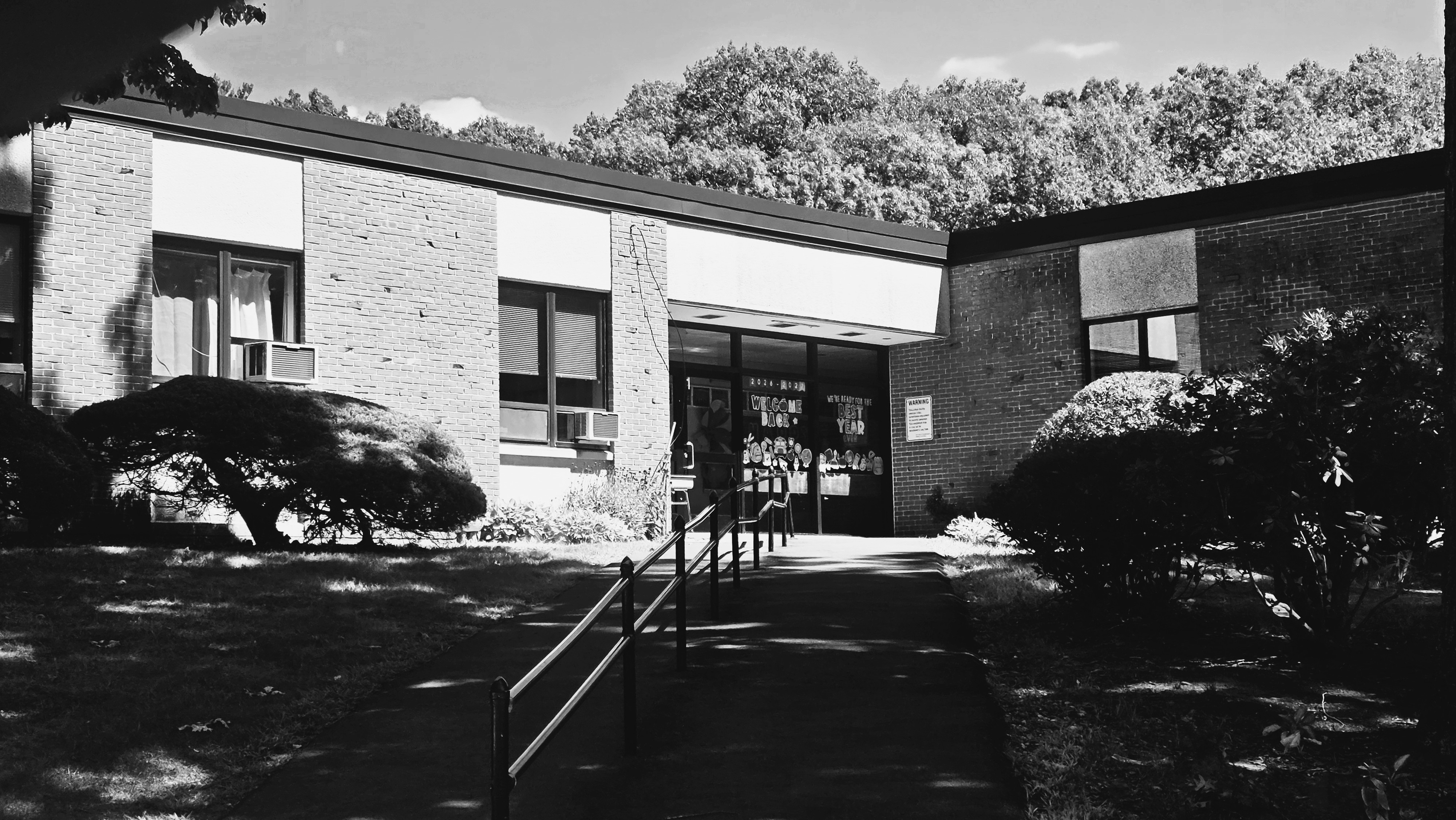
Enrollment and Space Questions Revive Closing Debate-October 18, 1979 The future of the George F. Willett School is back under intense scrutiny. Although the School Committee voted on January 17 to shutter the facility in 1980, School Superintendent Louis J. Taris told the committee last night that the timeline might be flexible. “The timing hinges…
-
Prescott School Security Roadway Proposal Sparks Opposition from Residents &PTA-September 14, 1979
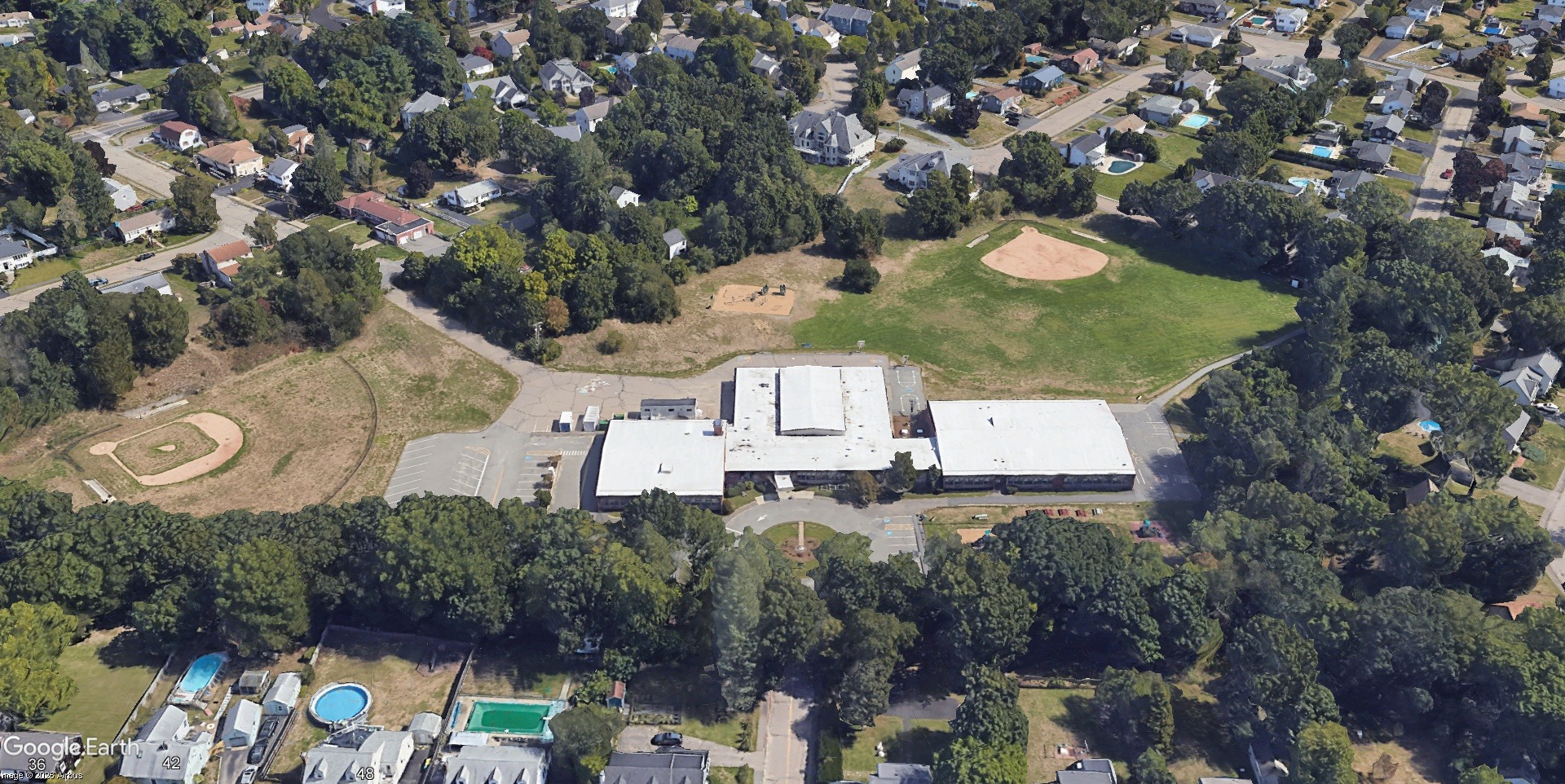
Prescott School neighbors and the PTA oppose a security committee proposal to pave a perimeter roadway for police patrols, citing student safety and vandalism concerns.
-
School Enrollment Shows Drop of 382 from Last Year-September 6, 1979
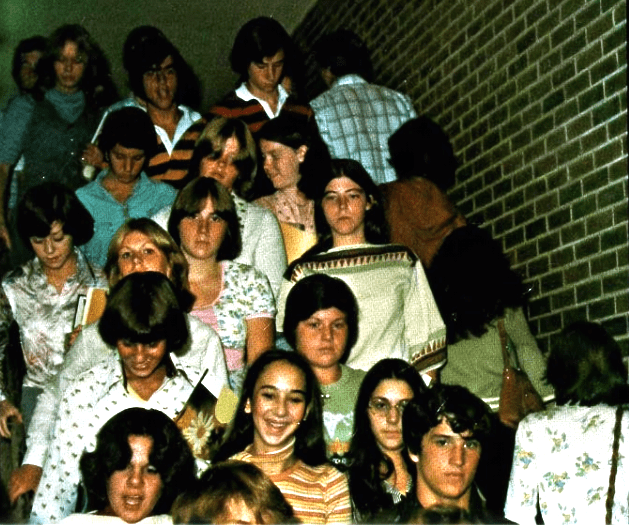
Norwood public school enrollment drops by 382 students to 5,078, while administrators outline major scheduling and open-campus policy changes at the senior high school.
-
Aaron Guild School Leased to Norwood CETA Consortium and EdCo for One Year-August 1, 1979

Norwood selectmen voted unanimously to lease the closed Aaron Guild School for one year to the Norwood CETA Consortium and the Educational Collaborative of Greater Boston (EdCo) for $148,000.
Discover more from Norwood Historical Society
Subscribe to get the latest posts sent to your email.