
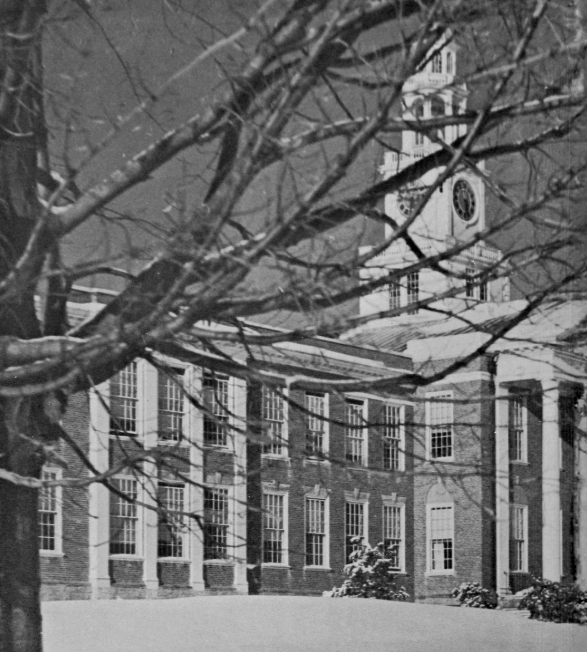
State Clears Four Area Schools While Norwood Schedules Reinspection
Following comprehensive inspections by the Massachusetts Department of Labor and Industries, four out of five area schools previously flagged for potentially hazardous asbestos ceilings have been given a clean bill of health after completing ceiling replacements and remediation work.
In October 1978, a special state asbestos commission identified five regional schools containing concerning levels of sprayed asbestos in ceiling coverings. While remediation projects removed hazardous materials in surrounding communities, Norwood High School was rechecked and found to be safe. However, as a precaution, state inspectors have mandated that the corridors and classrooms within the school’s 1962 addition be reinspected again next year.
Regional Asbestos Remediation & Inspection Status
Area Schools Remediation Summary
- Norwood High School: Rechecked and found safe; 1962 addition scheduled for reinspection next year.
- Memorial Middle School (Hull): Auditorium ceiling completely replaced with non-asbestos materials under the direction of business manager Leonard Colten.
- E. Lyons Elementary School (Randolph): Corrective work completed in hallways.
- Broadmeadows Junior High School (Quincy): Remediation finished in halls, cafeteria, and corridors.
- Milton High School: Corridors cleared following corrective measures.
Statewide Survey & Health Context
- Statewide Scope: **Harold Bavley** of Milton, director of the Division of Occupational Hygiene and Industrial Safety, noted that inspectors have surveyed **1,432 schools** out of 2,400 statewide (focusing on buildings constructed or renovated between 1946 and 1972).
- Financial Assistance: The Massachusetts Legislature appropriated **$2 million** to reimburse up to 74 percent of asbestos removal costs for approximately 50 applicant schools.
- Health Risks: Inhalation of airborne asbestos fibers has been linked to lung scarring, respiratory illnesses, and lung cancer, which can take years to manifest.
Ongoing Monitoring and Wear-and-Tear Factors
According to state health officials, ceiling coverings that are safe one year can deteriorate due to environmental factors or physical wear. Schools are placed on annual or triennial review schedules depending on facility conditions.
Bavley explained that disturbances are frequently triggered by roof and water leaks, maintenance activities, or physical contact with ceiling and pipe insulation. State authorities continue to survey public buildings across the Commonwealth to ensure long-term safety for students and staff.
Archival Note: This article has been dynamically reconstructed from the original public record print archives of the Patriot Ledger
-
Norwood High Teachers to Implement Uniform Curriculum Guides Starting Next Week-September 3, 1987

When classes resume next week, high school teachers across Norwood will officially be “going by the book.” Superintendent of Schools James Savage informed the school committee that faculty members teaching every course—from woodshop to algebra—will be required to follow newly established, standardized curriculum guides authored by Norwood educators. Closing the Gap in District Education The…
-
$16,600 Grant Equips New Norwood High School Cable Television Studio-August 18, 1987
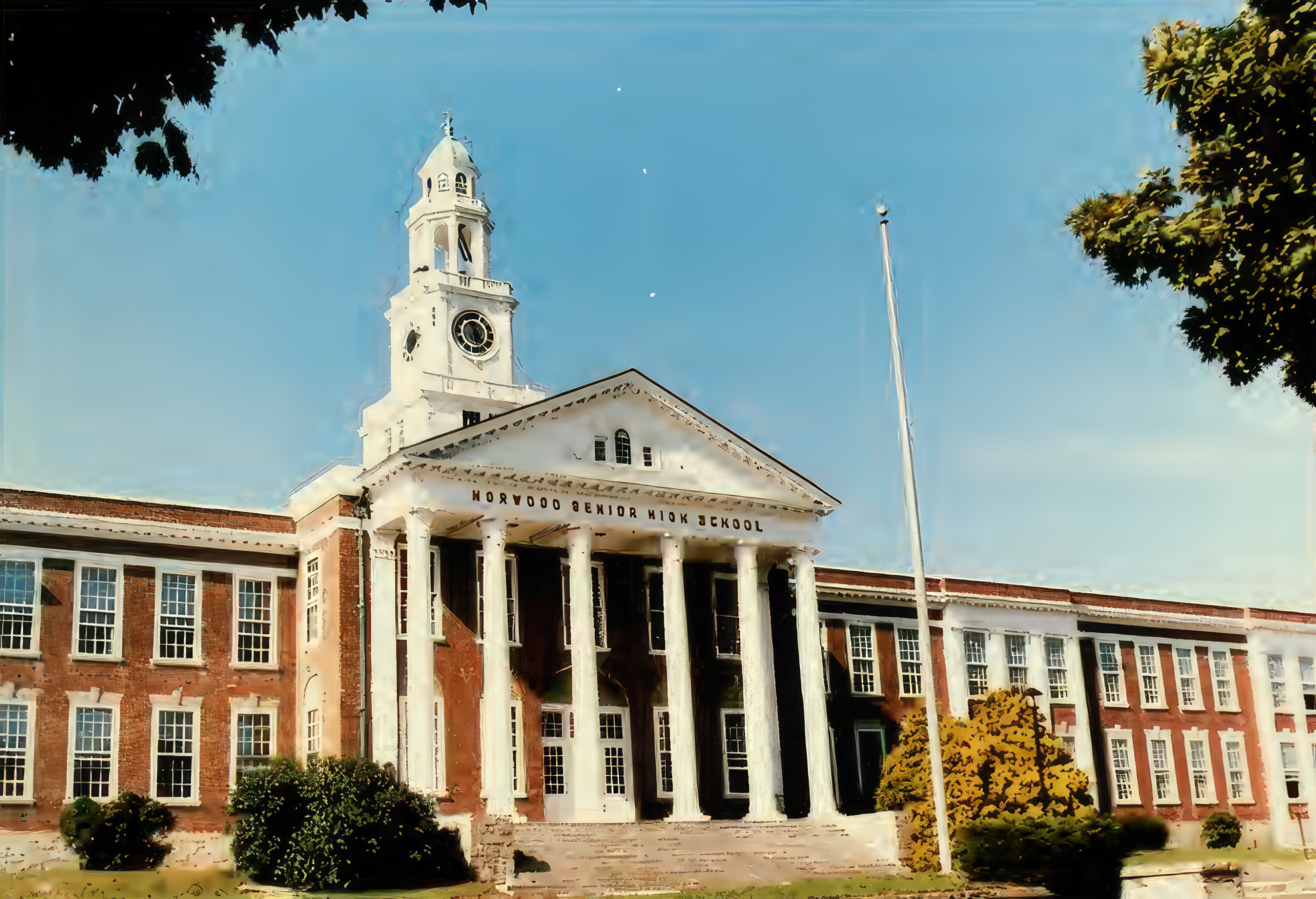
Norwood Community Television awarded a $16,600 grant to equip a new student-run television studio at Norwood High School, expanding local cable programming and production training.
-
Norwood High School Releases Fourth-Quarter Honor Roll-August 14, 1986

Norwood High School announced its student honor roll for the fourth quarter of the 1985-1986 academic year, recognizing academic achievement across senior, junior, and sophomore classes.
-
Extra $10,000 Approved for High School Renovation-August 7, 1986
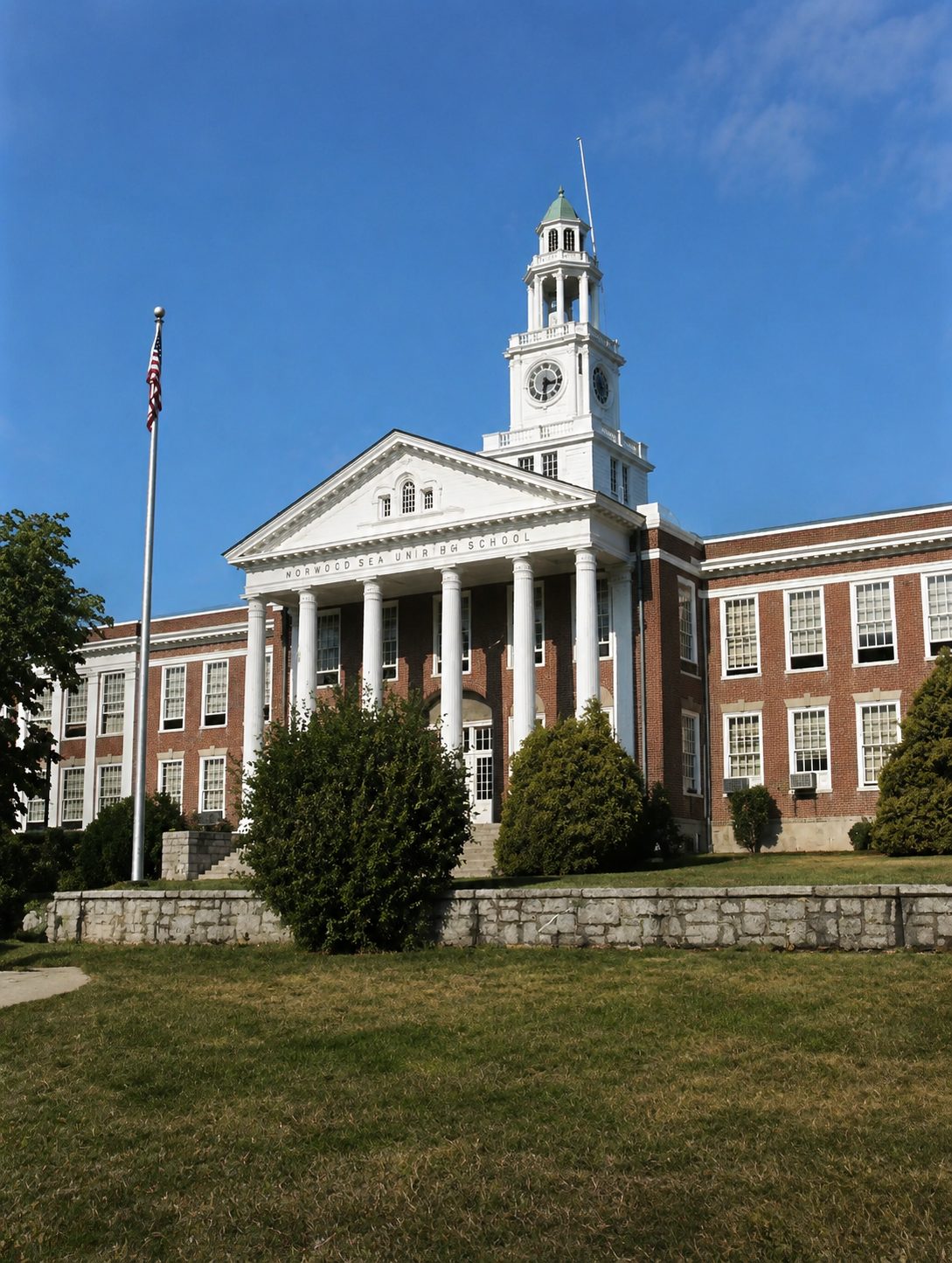
Amid project delays tied to Anchor Construction Corp., the Norwood Finance Commission voted 3-1 to approve an extra $10,000 for KL&Q Architects to oversee the completion of the $5 million high school renovation.
-
150 Norwood High Students Walk Out and March to Protest $5 Million Renovation Delays-October 31, 1985
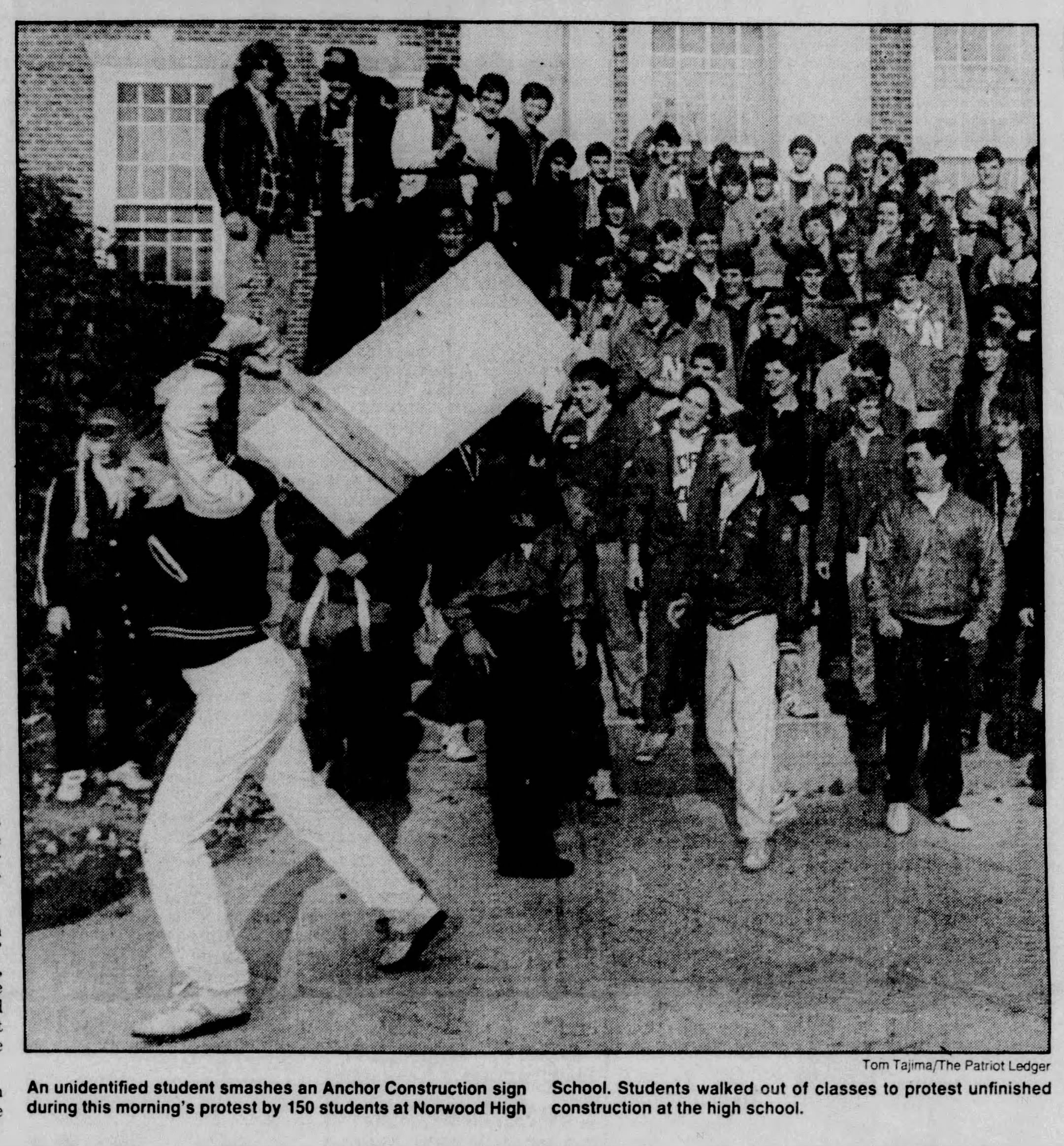
Protesting ongoing delays in a $5 million renovation project that has kept them displaced at Junior High North, 150 Norwood High students staged a walkout and marched to the high school.
-
Norwood High SAT Scores Surge as Principal John Piccirilli Commends Student Gains-October 30, 1985

Driven by a 12-point surge in verbal scores and math averages exceeding state and national benchmarks, Norwood High Principal John Piccirilli celebrated strong college board gains.
-
School Opening Delayed for High School Students-August 27, 1985
Norwood high school classes are delayed to September 9 as students temporarily relocate to Junior High North during a $5 million renovation project.
-
High School Students to Relocate to Vacant Junior High School North-August 21, 1985
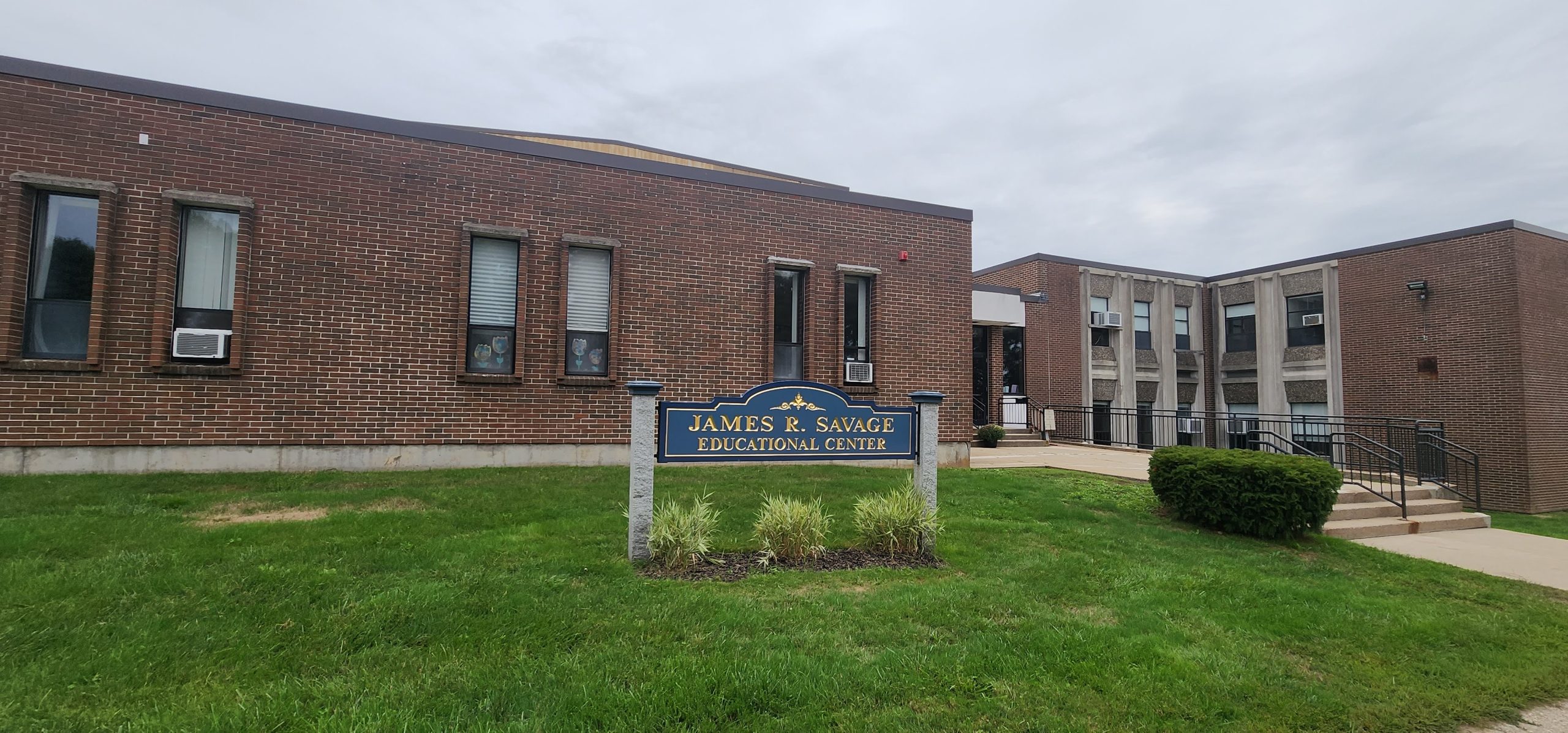
Citing extensive construction delays by Anchor Construction Co., Norwood school officials voted to move nearly 950 high school students to Junior High School North for the start of the school year.
-
Norwood School Officials Weigh Alternatives as Renovation Delays Threaten High School Opening-August 8, 1985
Norwood school officials discussed seven alternatives for opening day if $5 million high school renovations are not finished, while firmly rejecting double sessions.
-
Norwood Rejects Rockland Offer of Part Payment-July 16, 1985
The summer of 1985 was a time of great economic uncertainty in Massachusetts, with the state facing significant budget deficits and high unemployment rates. However, amidst this backdrop of fiscal woes, the town of Norwood found itself embroiled in a dispute with its neighboring municipality, Rockland, over tuition fees for vocational school students. The issue…
Discover more from Norwood Historical Society
Subscribe to get the latest posts sent to your email.