

Civil Defense Deputy Director Lee Griffith and 11-Year-Old Son John “Jake” Griffith Relay Free Radiograms Through Military Affiliate Radio System
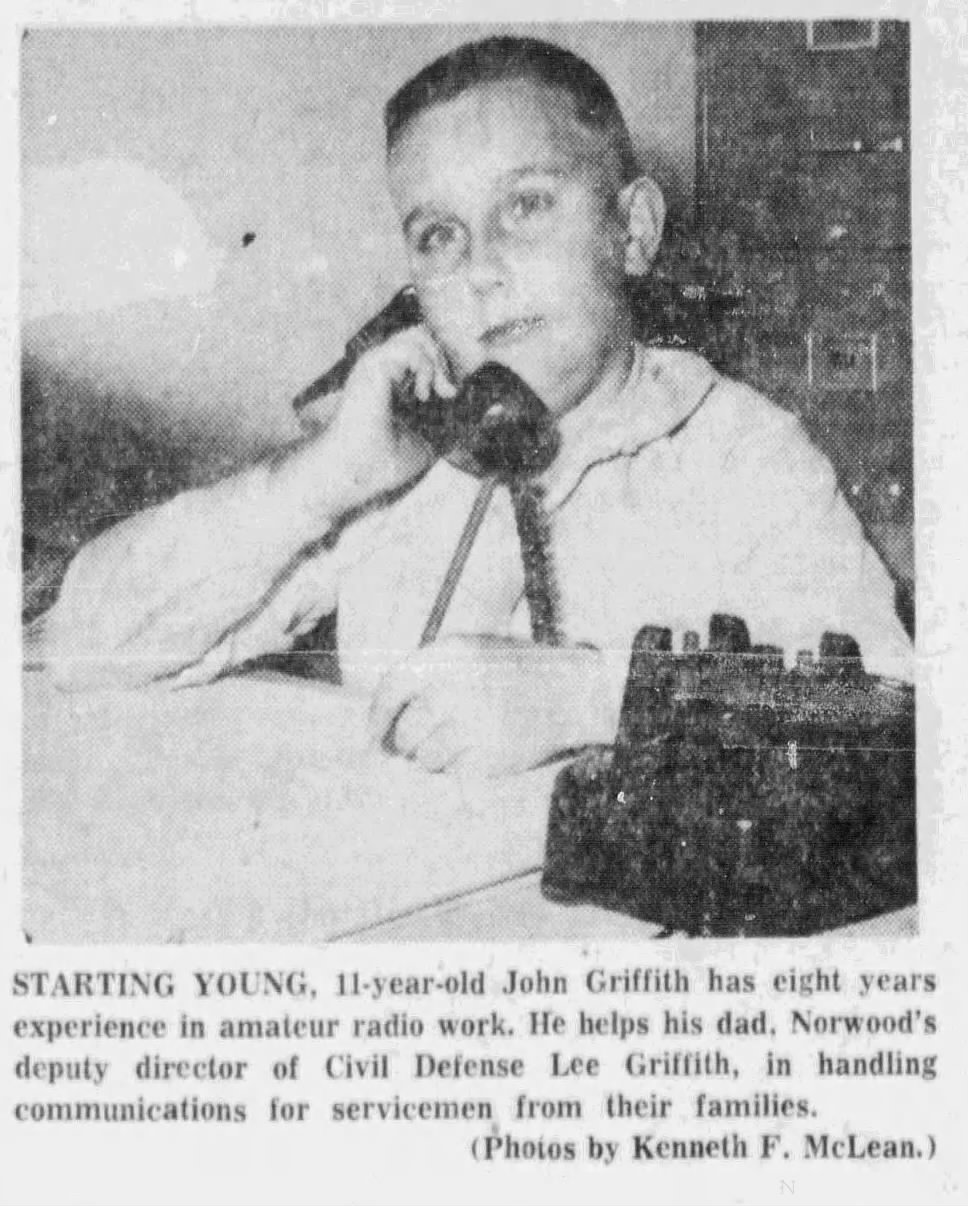
NORWOOD – At a time when sending a standard commercial telegram to Vietnam cost 34 cents per word, Norwood families had a vital, free alternative right in the center of town thanks to the communications division of the Norwood Civil Defense. Reported by Patriot Ledger correspondent Evelyn Masson on Thursday, November 17, 1966, Civil Defense Deputy Director Lee Griffith—assisted closely by his 11-year-old son, John “Jake” Griffith—operated a dedicated amateur radio relay network keeping local households connected with loved ones serving in the United States Armed Forces overseas and across the continental United States.
Operating out of Civil Defense headquarters on Nahatan Street, located directly behind the Norwood police station, the division transmitted personal radiograms free of charge to members of every military branch except the Navy, whose ships at sea were not equipped to receive personal radio traffic. To dispatch a message, residents simply limited their text to 25 words and provided the recipient’s rank, full name, serial number, Army Post Office (APO) address, and zip code—an essential detail Mr. Griffith used to verify whether a receiving relay station operated in the serviceman’s sector. Residents could drop off messages in person at headquarters or telephone their 25 words directly to Mr. Griffith after 7 p.m.
How the MARS Network Worked—and a Long-Distance Marriage Proposal
From Norwood’s well-equipped radio room, Griffith transmitted outgoing messages to a transcontinental relay station that forwarded them into the Military Affiliated Radio Services (MARS). Each branch of the military maintained its own volunteer radio corps—off-duty military personnel staffing overseas “radio shacks” specifically to handle morale-building family messages. Once MARS received a transmission, military volunteers delivered the note directly to the serviceman. Similarly, for domestic radiograms across the continental United States, Griffith contacted a volunteer dispatcher who relayed the message to a local amateur “ham” operator near the recipient to deliver by telephone.
Among the thousands of transmissions handled through the Norwood station, Griffith recalled one particularly memorable incoming message from a serviceman overseas: “Do you love me? Will you marry me?” Fulfilling his communications duty, Griffith telephoned the young woman in town and read the proposal aloud, then transmitted her immediate reply back across the airwaves: “Yes, on both questions!”—unbothered that anyone tuned to the open radio frequency could hear the romance unfold.
At the time, Griffith dispatched more than 150 military messages per month, with 90 percent bound for Vietnam. Holiday surges tested the station’s endurance: 35 messages were transmitted on Thanksgiving Eve, Mother’s Day averaged between 50 and 100 transmissions, and two nights before Christmas the previous year, Griffith stayed at the radio console all night and into the next day to send out over 300 holiday greetings.
24-Hour Civil Defense Readiness and a Young Radio Prodigy
Beyond morale messages, the all-volunteer Civil Defense communications division maintained 24-hour standby readiness for national emergencies. In the event of an air attack, State Police teletypes would alert Norwood headquarters immediately, mobilizing volunteer police, nurses, rescue squads, and specialists trained in everything from first aid to scuba diving. The headquarters radio room was also equipped to back up all radio communications for Norwood’s public works, fire, and police departments—a capability proven during the 1965 Northeast Blackout, when Norwood’s emergency generator automatically kicked in four seconds after power failed, keeping local radio traffic running seamlessly.
Named deputy director when the Nahatan Street headquarters opened three years earlier in 1963, Griffith first developed his passion for radio as a boy in Indiana in 1929 and had been active in Norwood Civil Defense for 15 of his 23 years in town. When residents called his home line after hours, they frequently reached his 11-year-old son, John “Jake” Griffith—who already boasted eight years of hands-on amateur radio experience. Proudly praising his son’s skill at the microphone, Griffith noted that Jake could handle and transmit traffic just as capably as he could, calling him “a tremendous assistant in the operations of handling and sending communications.”
1966 Telegram Costs vs. 2026 Dollars & Modern Military Messaging
Inflation-adjusted using U.S. Bureau of Labor Statistics CPI data ($1.00 in Nov. 1966 ≈ $9.94 in 2026)
| 1966 Communication Rate | 1966 Cost | 2026 Equivalent |
|---|---|---|
| Commercial Telegram to Vietnam (Per Word) | $0.34 / word | ~$3.38 / word |
| Standard 25-Word Commercial Message | $8.50 | ~$84.50 |
| Norwood Civil Defense / MARS Radiogram | Free ($0.00) | Free ($0.00) |
Archival Note: This article has been dynamically reconstructed from the original public record print archives of the Patriot Ledger
-
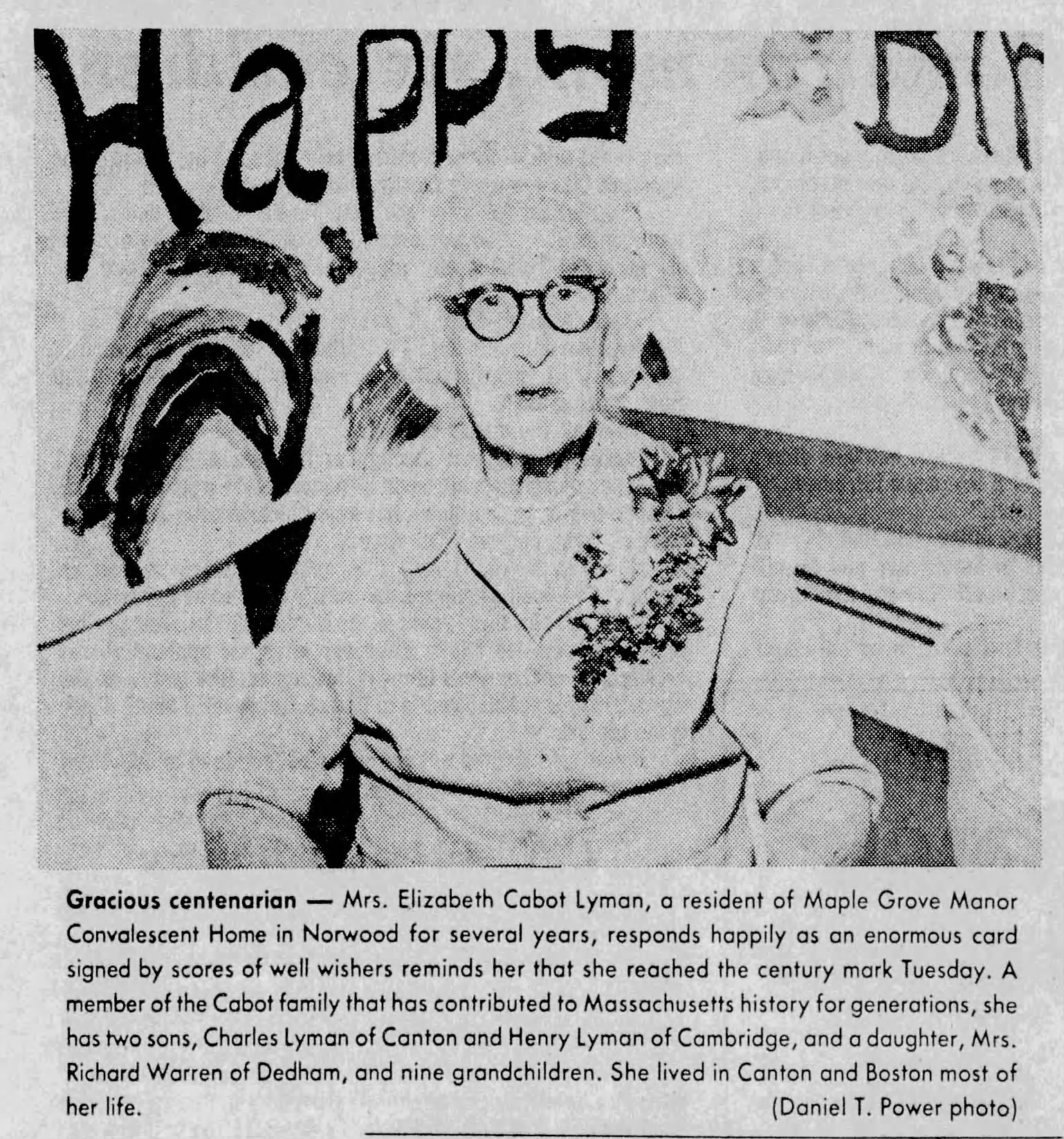
Norwood Centenarian Mary Ferioli Celebrates 100th Birthday at The Ellis Nursing Center-October 8, 1982
Mary Ferioli celebrates her 100th birthday surrounded by family at The Ellis Nursing Center, reflecting on a century marked by immigration, hard work at Norwood Hospital, and deep community ties.
-
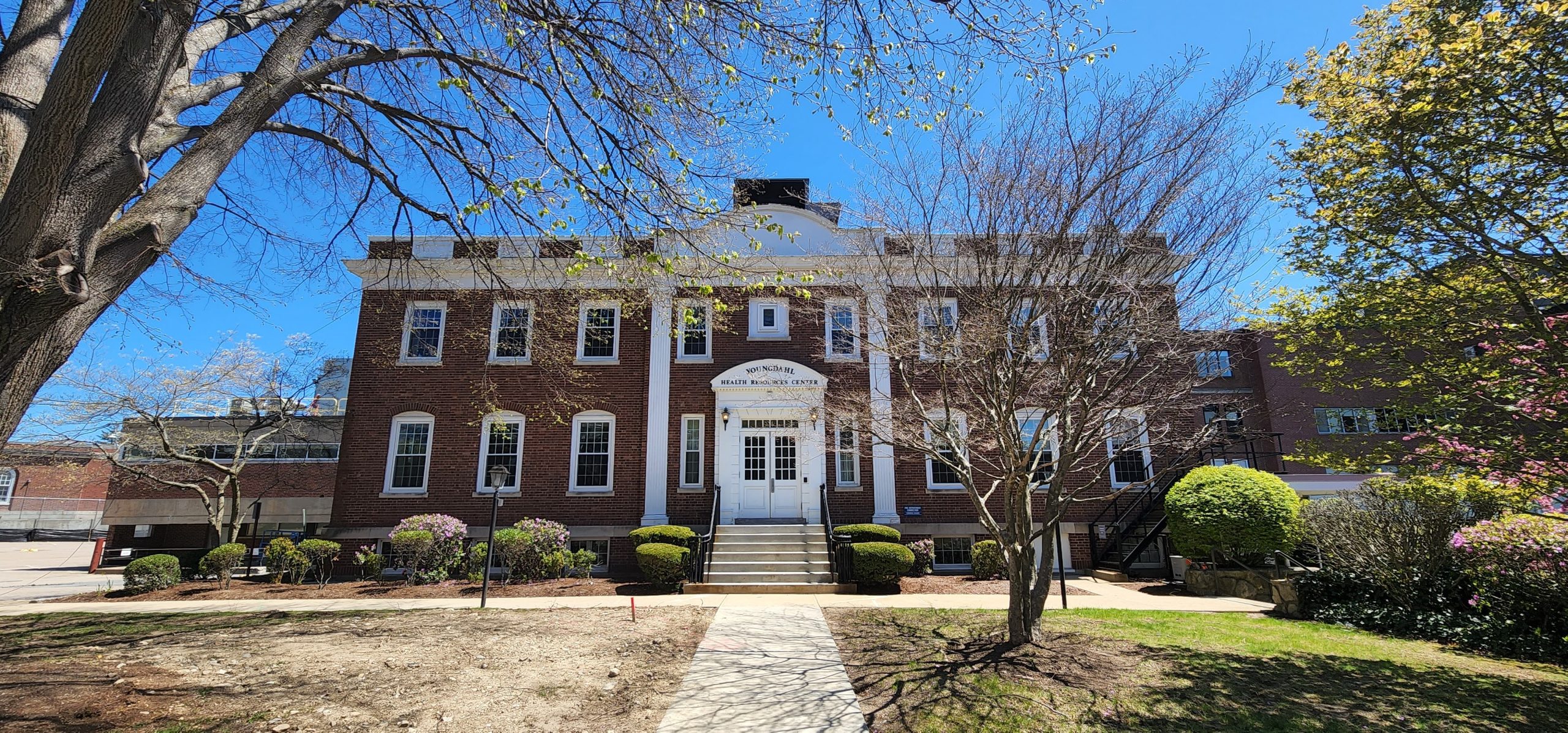
Twice Postponed: Couple Exchanges Wedding Vows in Unusual Norwood Hospital Setting-September 28, 1981
After the groom is hospitalized with a bleeding ulcer, Wayne Gauthier and Marie Lumnah tie the knot in an unusual ceremony inside Norwood Hospital’s Plimpton Hall.
-
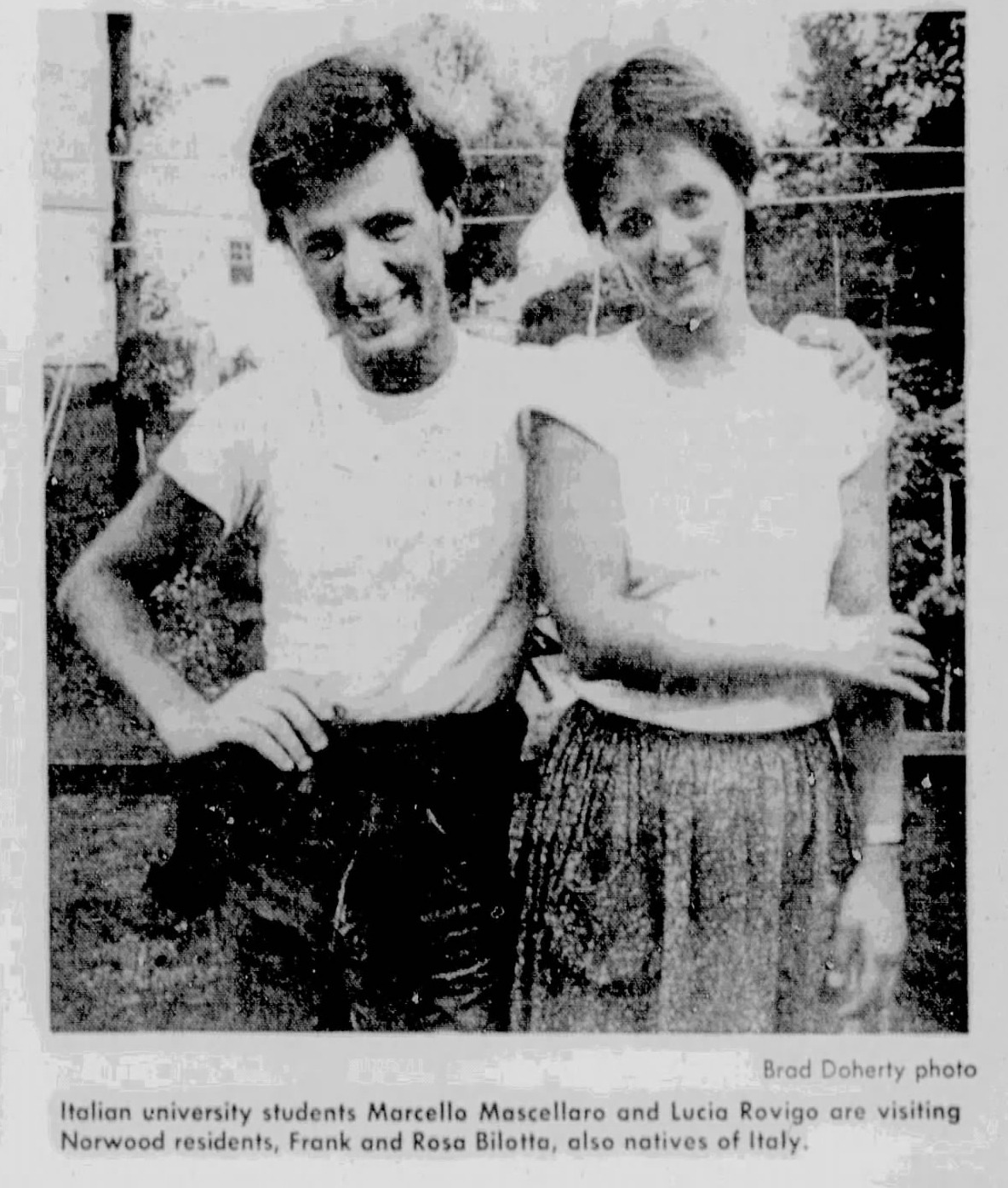
Italian University Students Lucia Rovigo and Marcello Mascellaro Bring Touch of Home to Norwood Host Families-August 10, 1981
Italian university students Lucia Rovigo and Marcello Mascellaro are spending a month in Norwood as guests of local families through the Interstudy program.
-
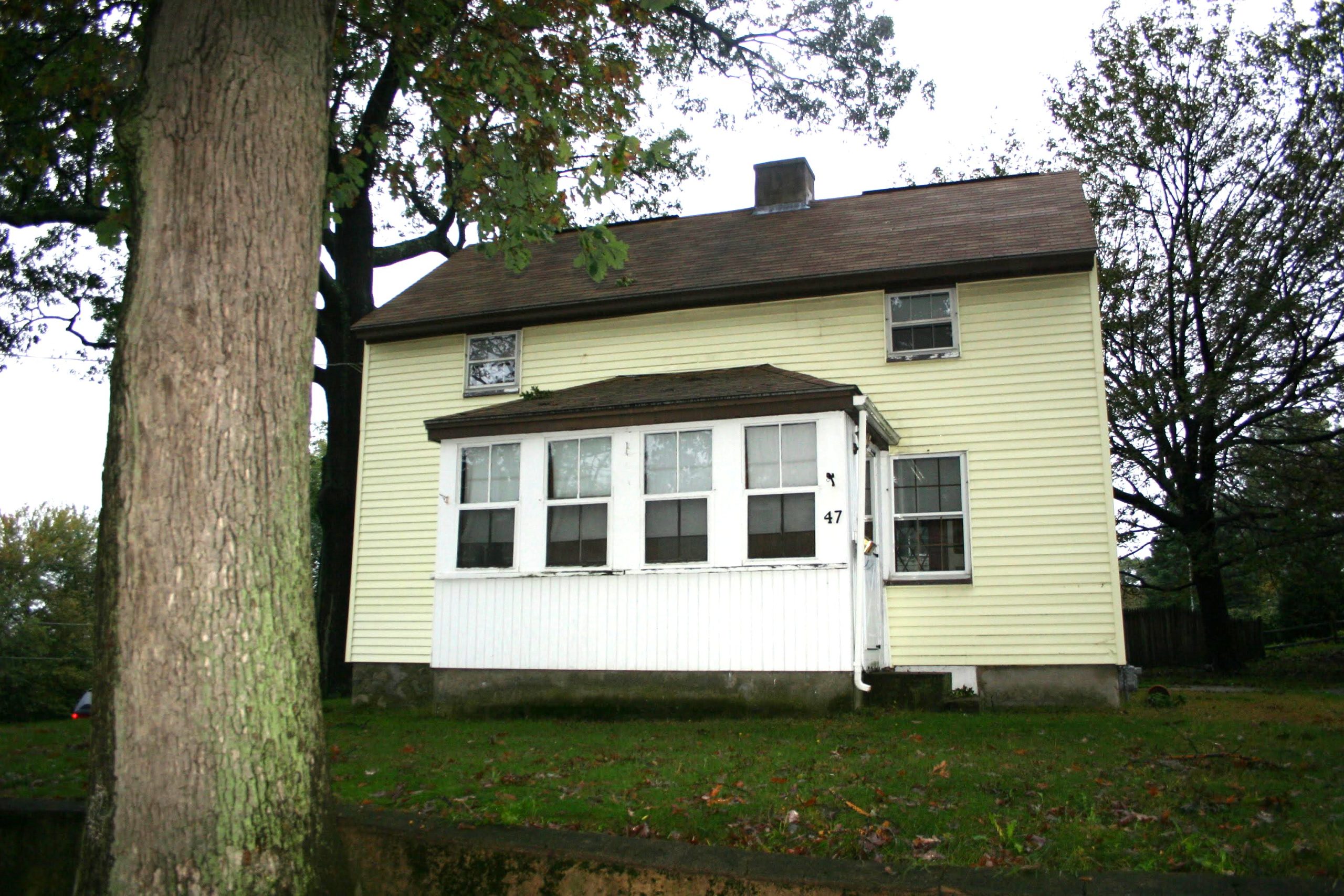
Norwood Resident Finds Warm Bed After Months of Searching-August 5, 1981
Following months of hardship after his rooming house closed, 58-year-old Norwood resident James Poles found a warm bed thanks to longtime friend Elliott Webber, who welcomed him to his Rockhill Street home.
-
Norwood Greenhouse Resident to Relocate to Quincy-July 02, 1981
In the summer of 1981, a Norwood veteran struggling with housing instability turned a local greenhouse into a makeshift home before the community rallied to find him a more dignified living situation.
-
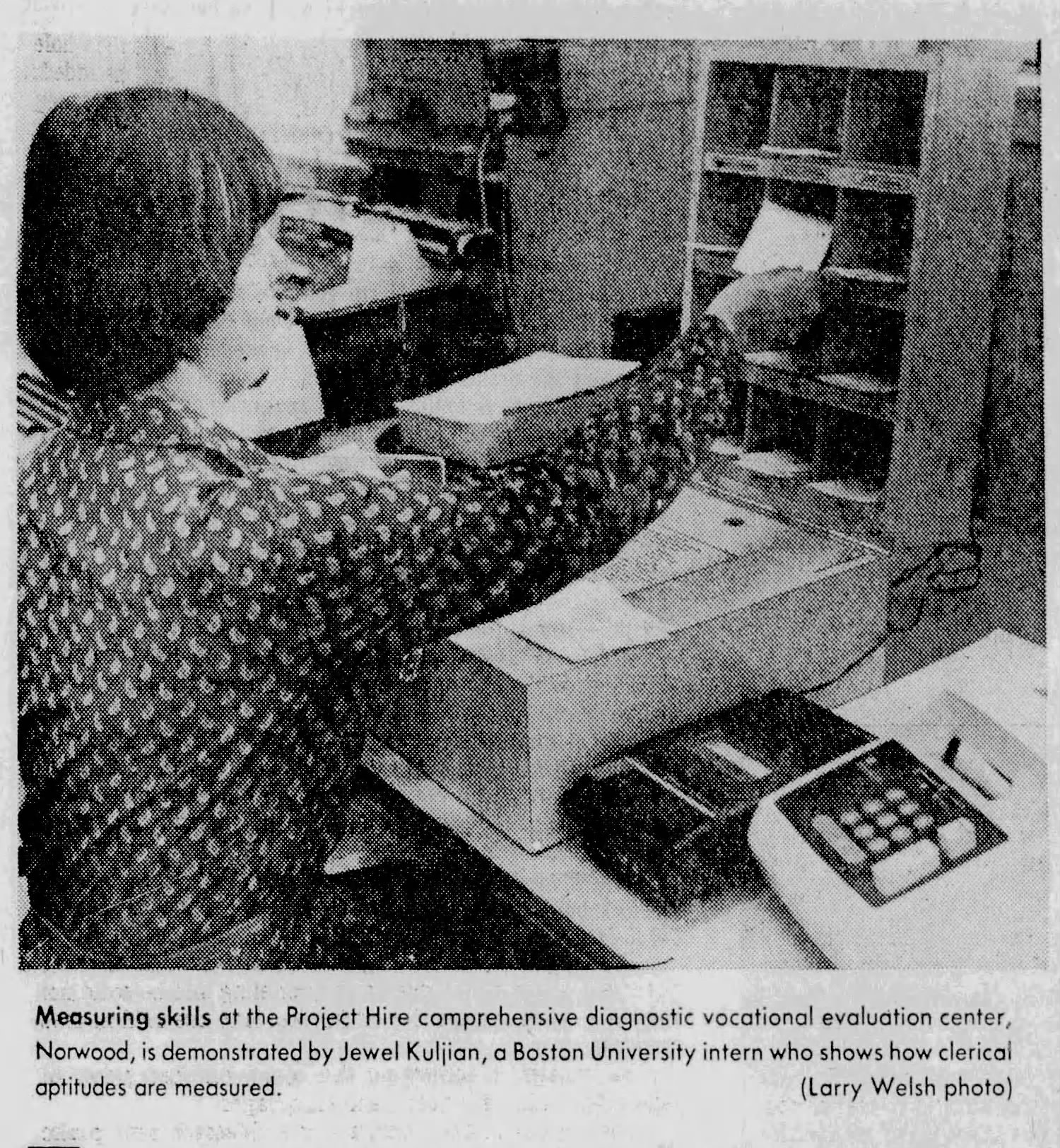
Project Hire on Davis Avenue Offers Comprehensive Diagnostic Vocational Evaluation-October 22, 1980
Supervised by director Edward L. Pflueger, Norwood’s Project Hire diagnostic center has expanded rapidly, helping hundreds of individuals and students find the right career paths through comprehensive vocational evaluations.
-
The Master Navigator of Local Commerce-This Day in Norwood History-June 28, 1980
An 80-year-old former union pioneer and Edison engineer commands the Norwood Chamber, working a grueling 40-hour week.

-
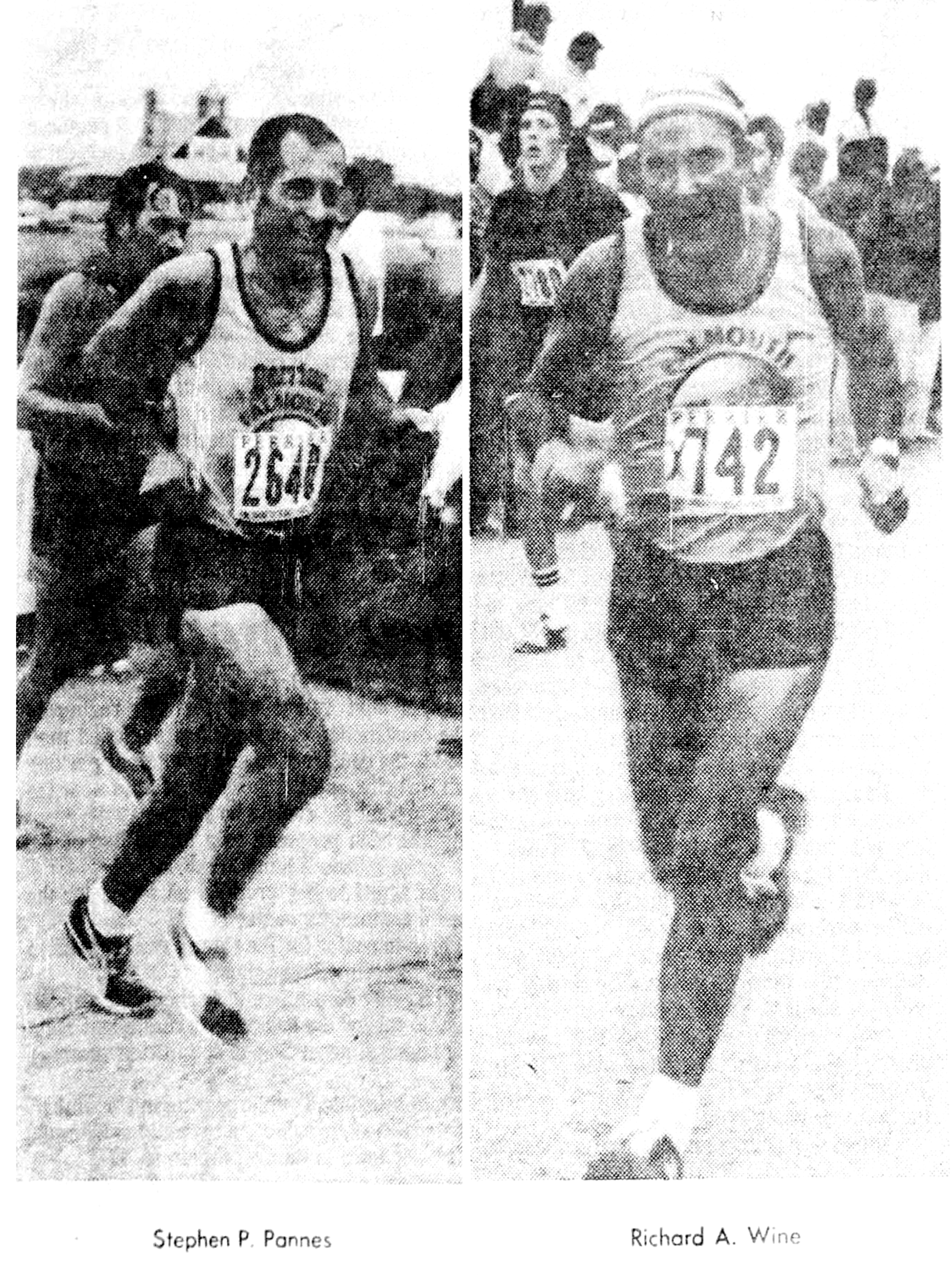
Norwood Marathon Partners and Local Runners Tackle the New York Marathon-October 23, 1979
Norwood residents Richard A. Wine and Dr. Stephen P. Pannes finished the New York Marathon together, highlighting teamwork, the city’s incredible crowd support, and local runner Leo E. Immonen’s strong performance.
-
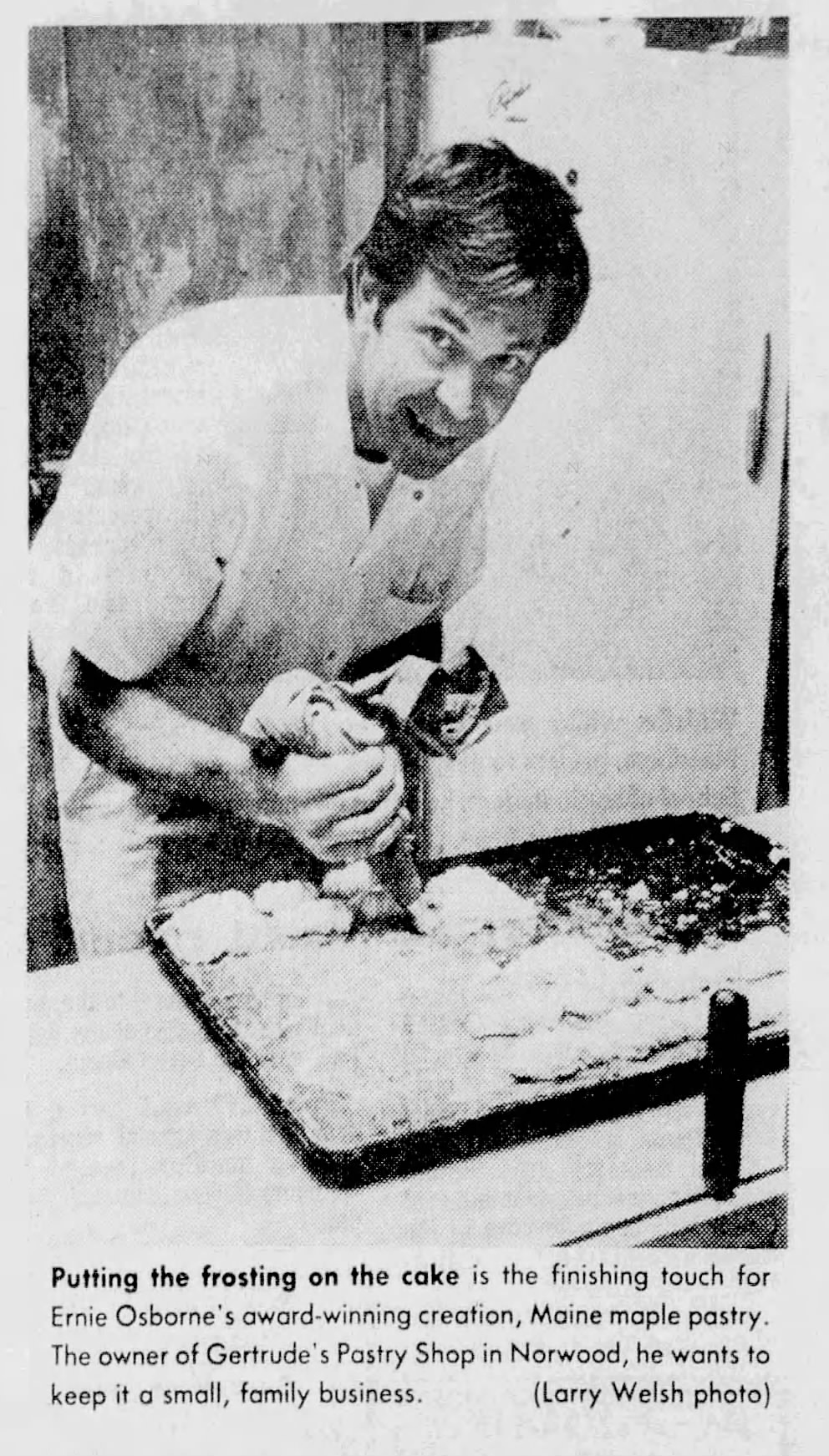
Gertrude’s Pastry Shop Owner Bernie Osborne Wins State Award for Maine Maple Pastry and Cherishes Small-Town Family Business-August 19, 1979
Bernie Osborne, owner of Gertrude’s Pastry Shop in Norwood Center, won top honors at the Massachusetts Retail Bakers Association contest with his signature Maine Maple pastry judged by Julia Child.
-
Harold “Skip” Rideout Expands Marine Construction Business in Southport, Maine-August 13, 1979
Norwood High graduate Harold “Skip” Rideout expanded his marine construction business in Southport, Maine, by purchasing a 42-foot towboat and a 60-foot barge.
Discover more from Norwood Historical Society
Subscribe to get the latest posts sent to your email.