The summer of 1985 was a time of great change and growth in the town of Norwood, Massachusetts.
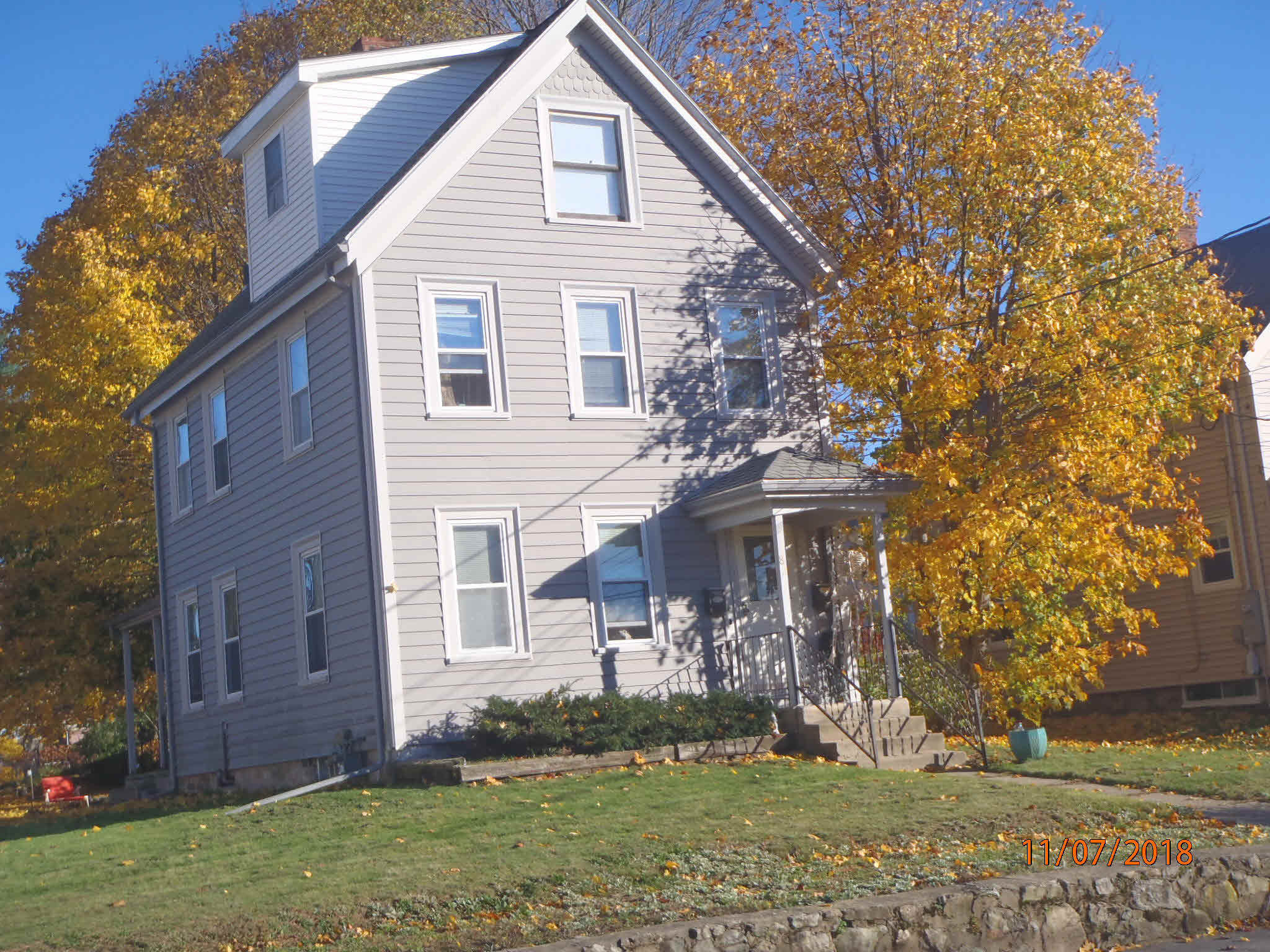
The residents of Monroe Street were abuzz with news of a proposed group home for adolescent boys and young men, which would be located at 82 Monroe St., an unoccupied house on their street. This development sparked intense debate among the community, with some residents voicing strong opposition to the idea.
On July 24, 1985, about 10 residents of Monroe Street attended a selectmen’s meeting to express their concerns and objections to the proposed group home. The residents, who were predominantly homeowners on the street, felt that the presence of a group home would be detrimental to their quality of life and property values. They argued that the street was densely populated with homes and small children, making it an unsuitable location for a facility that would house young men with social problems.
The proposed group home, operated by the New England Home for Little Wanderers, aimed to provide a safe and supportive environment for adolescent boys and young men who were unable to live with their natural or foster parents. The residents would be between 16 and 21 years old and would be under 24-hour professional supervision. They would also be expected to adhere to a nightly curfew and engage in either work or school activities.
However, the Monroe Street residents were unconvinced by the benefits of the group home and instead focused on the potential drawbacks. They expressed concerns about the constant influx of unfamiliar people into their neighborhood, which could lead to increased crime rates and decreased property values. Some residents also felt that the presence of a group home would be an eyesore and detract from the aesthetic appeal of their street.
The selectmen, led by Chairman John Kinnaly, listened attentively to the concerns of the Monroe Street residents and acknowledged their right to object to the proposal. However, they also emphasized that they were not opposed to the concept of a group home per se but rather its location in a heavily populated residential neighborhood. The board members suggested that the New England Home for Little Wanderers should explore alternative locations for the facility.
The debate surrounding the proposed group home on Monroe Street was not new to Norwood residents. In fact, the town had previously dealt with similar issues related to zoning laws and the placement of group homes in residential areas. According to Chairman Kinnaly, the New England Home for Little Wanderers had to appeal to the courts to obtain an occupancy permit for their existing facility on Walpole Street, which housed adolescent girls.
The court’s ruling that the program could be considered educational and exempt from zoning restrictions was seen as a significant setback by some residents. However, others felt that this decision highlighted the need for more stringent regulations regarding group homes in residential areas.
In conclusion, the proposal to establish a group home on Monroe Street sparked intense debate among Norwood residents in July 1985. While some saw the benefits of providing a safe and supportive environment for young men with social problems, others were concerned about the potential drawbacks, including decreased property values and increased crime rates. The selectmen’s decision to block the facility’s location in a heavily populated residential neighborhood was seen as a compromise between the competing interests.
Archival Note: This article has been dynamically reconstructed from the original public record print archives of the Patriot Ledger
More…
-
Monroe Street Residents Oppose Group Home Proposal-July 24, 1985
The summer of 1985 was a time of great change and growth in the town of Norwood, Massachusetts. The residents of Monroe Street were abuzz with news of a proposed group home for adolescent boys and young men, which would be located at 82 Monroe St., an unoccupied house on their street. This development sparked…
-
Norwood Selectmen Set Public Hearing for Westwood Xaverian Brothers High School Beano License Dispute-August 8, 1973

Facing protests from local civic and veterans groups concerned over unfair competition, Norwood selectmen reviewed a beano license granted to Westwood’s Xaverian Brothers High School for games at the Norwood Armory.
-
Norwood Selectmen’s Minutes-July 18, 1957

On July 18, 1957, the American Automobile Association listed five ways to keep accidents from ruining a vacation trip. These “Fatal Five” traffic causes account for the majority of accidents, according to the AAA. The American Automobile Association provided these tips to help prevent accidents and ensure a safe vacation trip. Assault Investigation On July…
Discover more from Norwood Historical Society
Subscribe to get the latest posts sent to your email.