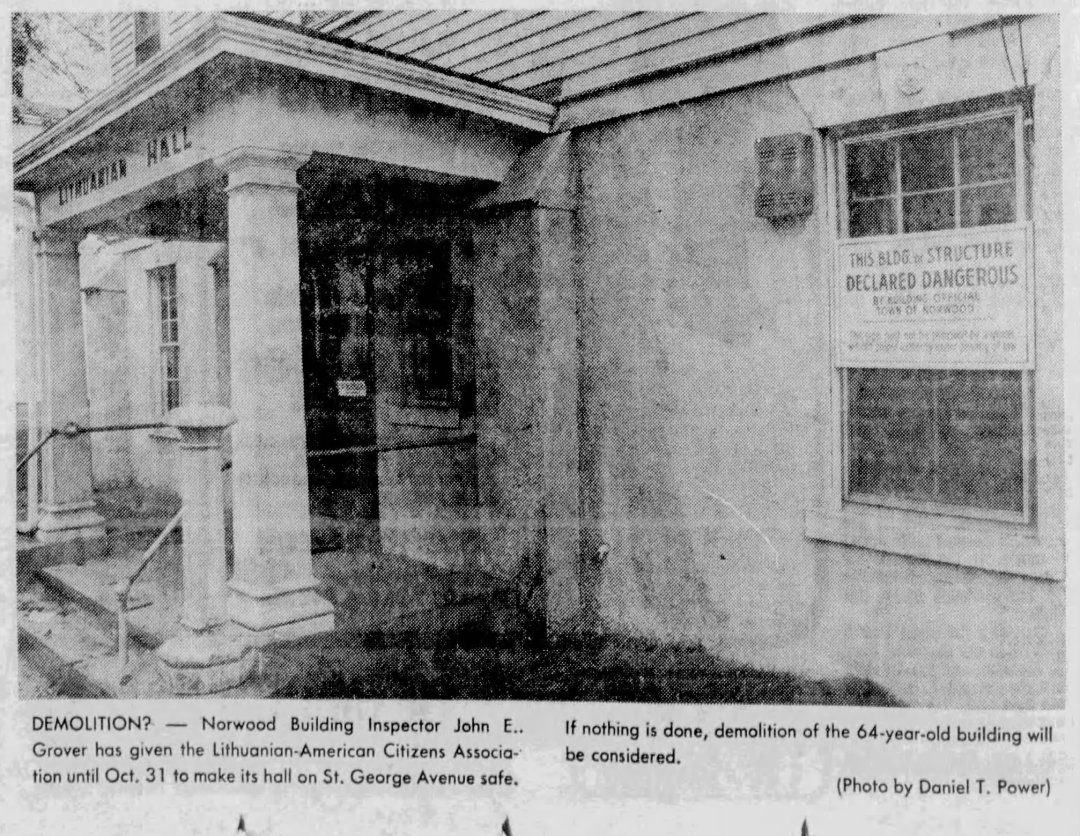
The Lithuanian-American Citizens Association has been given an October 31 deadline by Building Inspector John E. Grover to begin making its aging St. George Avenue clubhouse structurally safe, or face municipal intervention that could lead straight to demolition.
Structural Hazards and Snowload Warnings
Inspector Grover explained last week that his strict ultimatum was prompted by the approaching winter and the severe hazard that a layer of snow would pose to the compromised structure.
In a formal letter sent to club President Algrid Pechulis, Grover warned that if the roof were burdened by snow and collapsed, “It could easily endanger persons or the property abutting this structure.” Furthermore, the inspector noted, “It appears that there is movement on the second floor wall since the original collapse.”
The two-story wooden clubhouse, originally built in 1913, has remained completely closed to the public since July 11, when the building’s exterior walls buckled and the second-floor ballroom ceiling caved in. Miraculously, no injuries were reported during the incident.
Demolition Risk and Fundraising Efforts
Last week, Grover posted official warning signs declaring the clubhouse a dangerous structure—a mandatory procedural step under state statutory authority allowing the town to step in and “make the building safe,” which can ultimately include issuing an order for complete demolition. Grover clarified that if the town is forced to demolish the building, the cost will be charged back to the association via a property lien. He added that he would only pursue demolition if the club took no action, emphasizing that full restoration of the building by the end of the month is not being demanded—only that repair work begin.
Club President Pechulis could not immediately be reached for comment regarding whether the association would meet the town’s improvement deadline. However, the organization has actively worked to raise repair funds, hosting a series of benefit polka band dances at the Italian American Club in Walpole to support its building restoration fund.
Archival Note: This article has been dynamically reconstructed from the original public record print archives of the Patriot Ledger
More…
-
93 Day Street – F Holland Day House
The F Holland Day House is notable for its unique architectural style, significant reconstruction, and associations with the remarkable publisher, photographer, and philanthropist Fred Holland Day. The Day House, located at 93 Day Street, sits on a half-acre lot at the corner of Day and Bullard Streets on a hill overlooking Norwood Center. Fred Day’s…

-
Norwood’s Neighborhoods-Christian Hill
Norwood’s Neighborhoods-Christian Hill
-
1930 German Residents of Bullard St., Walpole (first half)
#276 Bullard Street – The home of John Stamphl, John Stampfl was born 27 Jan 1889 Tiefenthal, Gottshee, and died 1980 Walpole. He was the son of Andreas/Andrew Stamphl and Magdalena Honigmann. He married 24 Sept 1913 to Gertrude Katie Eppich, born 19 Dec 1893 in Walpole; died 1940 Walpole. She was the daughter of…
-
1930 German Residents on Walpole Street (first half)
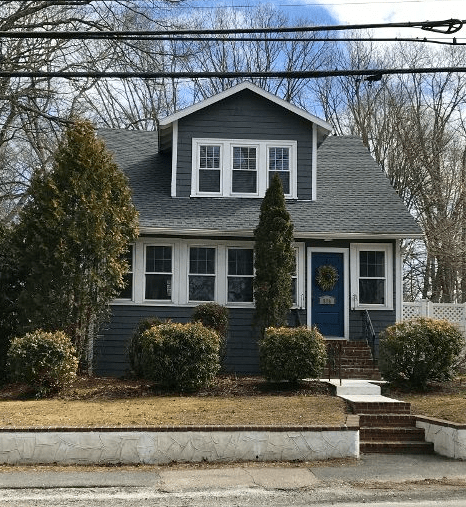
#654 Walpole – Home of George Readel (Readel/Riedel) George J. Readel, born 30 May 1870 South Dedham; died 31 Oct 1947 Norwood. He was the son of William Balthazar Readel and Anna Margaretha Roth. George married 14 Jul 1892 Laura Victoria Foster in Norwood. She was born May 1868 in Nova Scotia, Canada and died…
-
1930 German Residents of Walpole Street (second half)
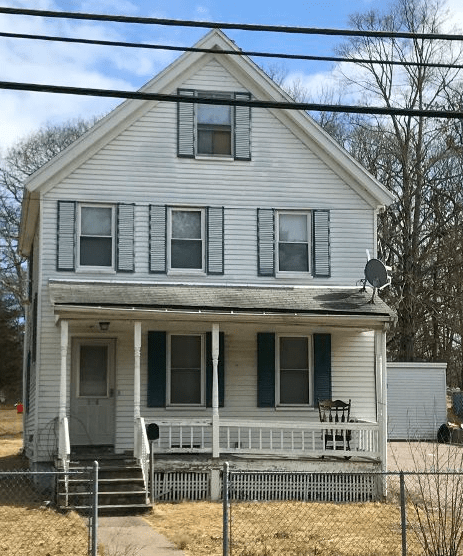
#512 Walpole – Home of Emil Sigmund Emil Edward Sigmund, was born 16 Feb 1896 Tiefenthal, Gottschee; died 22 Mar 1948 Norwood. He was the son of Joseph Sigmund and Maria Hoegler. He married 8 Jan 1925 Nena Johnson-Holmberg in Walpole. She was born 15 Nov 1900 in New York and died 20 Apr 1995…
-
A Stroll Through Germantown in 1930
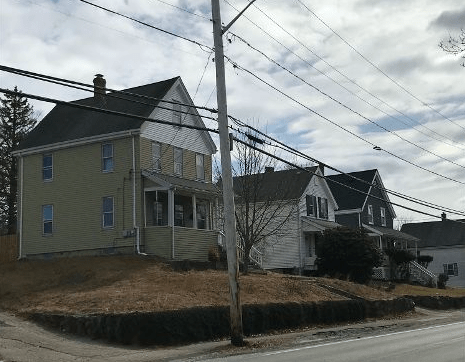
By 1930, the Germantown neighborhood had doubled in size since 1900 – Bullard had grown to have approximately seventeen houses, Wilson and Walpole Streets both had approximately twenty-four houses each. Most of the people who lived here were of German descent, but a few others of different heritage had begun to live in this neighborhood.…
-
Meet The Germantown Neighbors
Initially Wilson Street, Norwood had been part of Walpole. Five families were affected when the area became part of Norwood in 1872 when Norwood was established. According to records, these families agreed to the switch. In the 1880 census, Julius Balduf was the only German living on Wilson Street, although census records show several German…

-
The Gottscheers
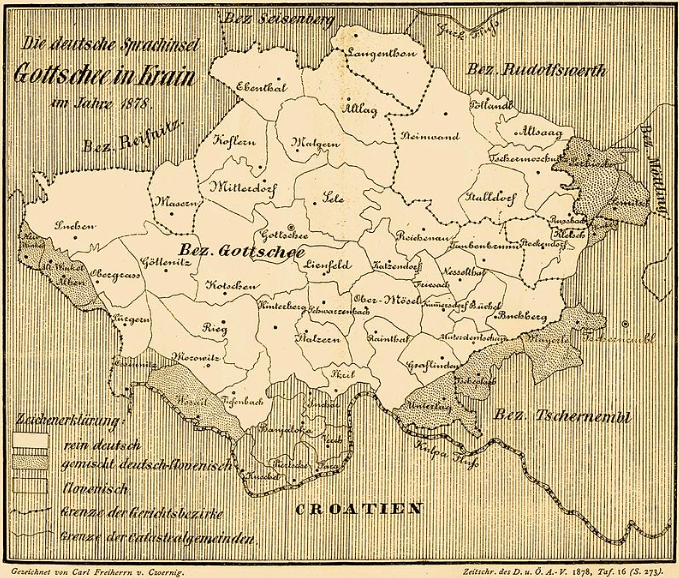
Many of the homes on Wilson, Walpole and Bullard Streets were populated by immigrants from Gottschee, Krain, Austria-Hungary Empire. This was a German-speaking enclave in Krain, a Duchy of the Austrian-Hungary Empire called a “Deutsche Sprachinsel.” Originally settled in the 14th century by Germans from several different German and Austrian towns, it was an unpopulated…
-
The Germans
Germans have been immigrating to the United States, long before it became an established country. In fact, German’s are one of the largest ethnic groups to have immigrated to the United States. Germans began arriving in South Dedham in the 1840s. This first wave of German immigrants who came to town, were skilled artisans hired…

-
Germantown: A Community of Gottscheers
Germantown was an almost self-contained section of Norwood in the early 1900s. Located in the Southwest portion of the town, it was largely unsettled land owned by Joseph Fisher. Around 1767 Mr. Fisher sold a large parcel of the land along Hawes Brook to Solomon Bullard who built a house near today’s dam that forms…
Discover more from Norwood Historical Society
Subscribe to get the latest posts sent to your email.