
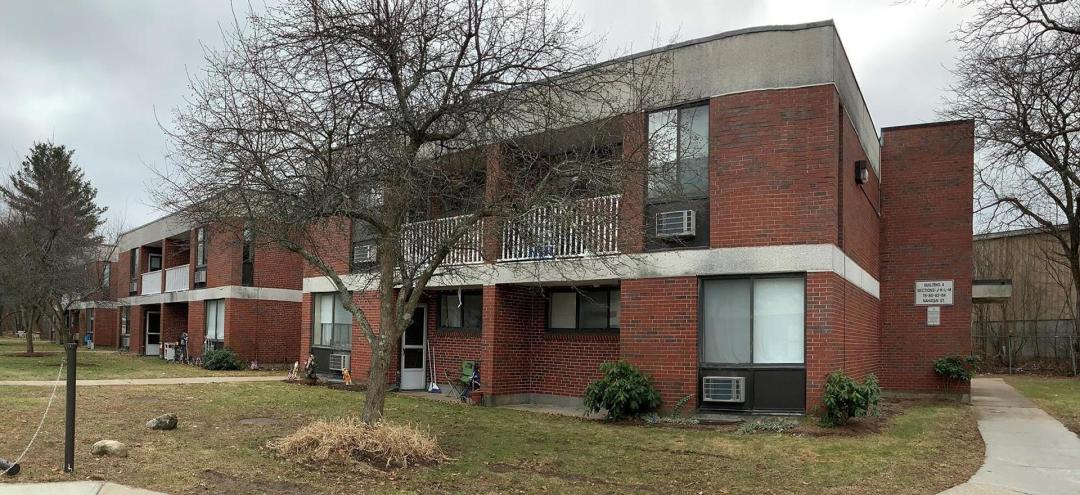
Housing Authority and Planning Board Clash Over Nahatan Village Housing Zone Plan
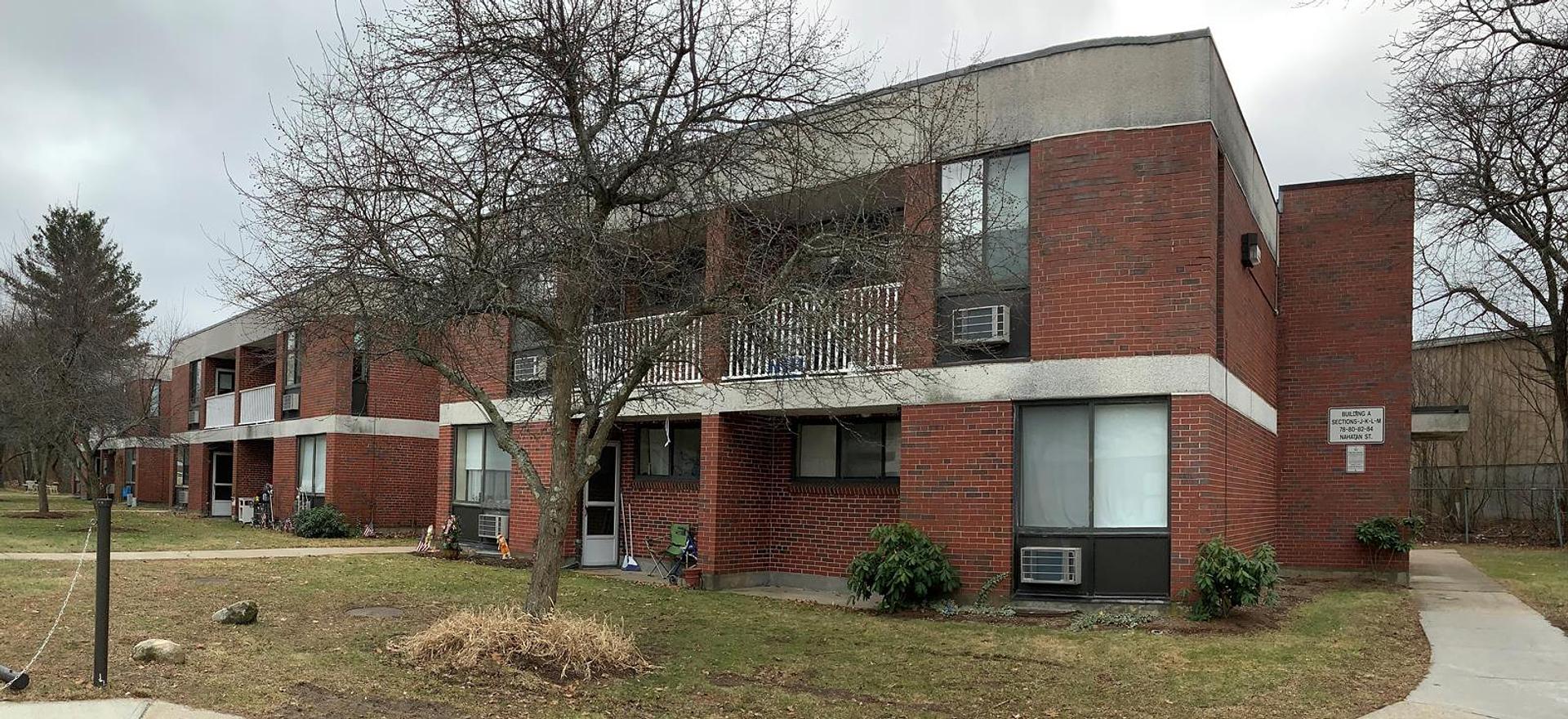
The Patriot Ledger‘s July 30, 1974 edition brought forth a pressing concern in the town of Norwood regarding the proposed housing zone plan for Nahatan Village.
⠀
The housing authority and planning board were sharply at odds over the proposal, which aimed to expedite the construction of 104 new units for low-income families and seniors.
At the heart of the issue was the planning board’s decision to move forward with a warrant article for a town meeting in September without holding a public hearing on the special zone solely for subsidized housing. According to Patricia Cavanaugh, the planning board clerk, this action was premature as the housing authority had not advertised a planned June 27 public hearing on the matter. Chairman August Petrovek of the housing authority countered that the planning board had indeed gone ahead with the article, citing a telephone conversation with attorney John Mulyehill. However, Patricia Cavanaugh maintained that without a public hearing and formal vote from the planning board, they could not legally sponsor a warrant article for the town meeting.
The proposed special zone was intended to simplify the process of locating projects for the elderly by rezoning three small parcels needed to augment Nahatan Village‘s existing facilities. These parcels included two privately owned lots, each approximately 5,000 square feet in size, and a so-called paper street that had been planned but never constructed. The housing authority sought to rezone these areas to accommodate apartment units for the elderly, which would be significantly smaller than regular family units. Under local code, the town required 10,000 square feet for the first apartment unit and 2,500 square feet for each additional unit. The proposed bylaw would apply exclusively to state and federally funded projects.
The controversy surrounding the housing zone plan highlighted the complexities of urban planning in Norwood during the early 1970s. As the town grappled with issues of affordable housing and community development, the housing authority’s efforts to provide housing for seniors were met with procedural resistance from the planning board. Despite the challenges, the housing authority remained committed to its goal of providing subsidized housing for local families. Chairman August Petrovek stated that the authority had submitted proposals to purchase properties for renovation under a new program authorized by Chapter 705, which would enable the authority to act as landlord to low- and moderate-income families whose rentals would be subsidized.
Additional commercial developments were also on the horizon, with plans for a branch bank in the vicinity of High Street and Hartford Street. Union Federal President Leo F. Grace expressed his hope to operate locally by next spring, alongside other regional banks operating in the area, including the Norfolk County Trust Co. and the South Shore National Bank. As Norwood navigated the intricacies of urban planning and community expansion, the debate over Nahatan Village served as a testament to the complexities of balancing competing local interests in the pursuit of affordable housing and growth.
Archival Note: This article has been dynamically reconstructed from the original public record print archives of the Patriot Ledger
More…
-
Compact Homes In Fine Location In Vernon Park-This Day in Norwood History-May 28, 1938
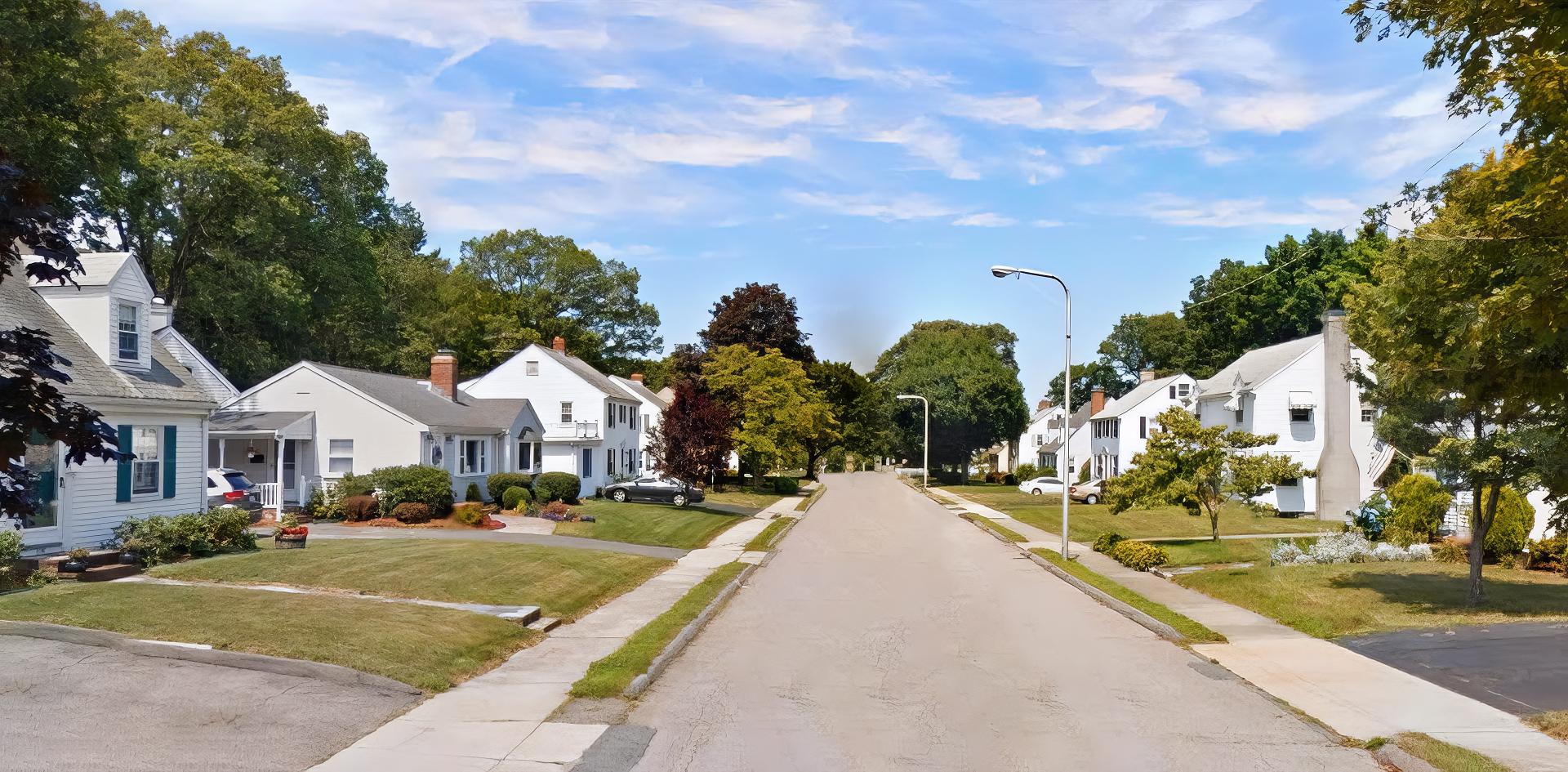
May 28, 1938- “Vernon Park, a group of fine all-electric homes being built by Nelson Bouchard on Vernon Street, Norwood, is outstanding in the beauty of the…”
Discover more from Norwood Historical Society
Subscribe to get the latest posts sent to your email.