

For most people, an encounter with a hospital operating room happens while flat on their back. However, hospital officials at Norwood Hospital shed light on the upright reality behind the surgical suites, revealing the complex daily drama, intricate equipment, and rigorous protocols that support nearly 4,200 operations each year.
Anatomy of the Operating Suites
Popular culture often paints operating rooms with an aura of theatrical mystery—bright lights, dramatic tensions, and masked figures snapping crisp orders. In actual practice, however, a typical day of surgery at Norwood Hospital operates with an atmosphere of quiet confidence rather than high-stakes drama.
The hospital’s surgical department is divided into six basic units:
- Four general surgical suites.
- An orthopedic unit.
- A specialized cystoscopy room.
Surrounding these primary operating rooms are auxiliary and support spaces, including a sterile supplies storeroom, a nurse-managed instrument sterilization workshop, sub-sterilizing rooms, and scrubrooms where physicians and surgical nurses prepare. Additionally, a 12-unit recovery room accommodates 14 to 20 postoperative patients daily, working in tandem with the central supply area.
Each operating suite is equipped with specialized instrumentation and hardware, anchored by a 6-foot-long, stainless steel, hydraulically operated surgical table. Standard room equipment includes two mobile general service tables, two Mayo stands for holding instruments, a ring stand for basins, an anesthesia table and machine, an X-ray viewing screen, and a specially designed, adjustable surgical light. Life support is integrated directly into the infrastructure via piped-in oxygen and suction units.
High Volume and Specialized Care
The hospital maintains a staff capable of handling up to six operations simultaneously, supporting general surgeons, orthopedic surgeons, urologists, ophthalmologists, and other specialists alongside a 24-hour anesthesia service.
While emergency cases are handled around the clock, the vast majority of surgery at Norwood Hospital is non-emergency, “elective” procedures performed Monday through Friday between 7:30 a.m. and 2:00 p.m., booked in advance through the admitting office. During the previous year, the hospital performed 4,244 operations, occasionally reaching up to 22 procedures in a single day. Advancements in medical procedures have enabled local surgeons to tackle increasingly long and complex operations, including surgeries involving the chest, lungs, and major blood vessels.
Stringent safety and sanitation protocols govern every procedure. Scrub zones are scrupulously observed, and the hospital adheres strictly to regulations set by the Joint Commission on Accreditation of Hospitals—including mandates requiring two physicians to be present during all major surgeries and the mandatory pathological examination of all tissue removed from patients.
Behind the scenes, logistical support is immense. Laundry manager Charles Philips reported an average of 8,000 pounds of linen is laundered and processed weekly exclusively for the operating rooms, while modern pre-packaged disposable items and advanced equipment have streamlined preparation times.
Archival Note: This article has been dynamically reconstructed from the original public record print archives of the Patriot Ledger
More Norwood Hospital Stories
-
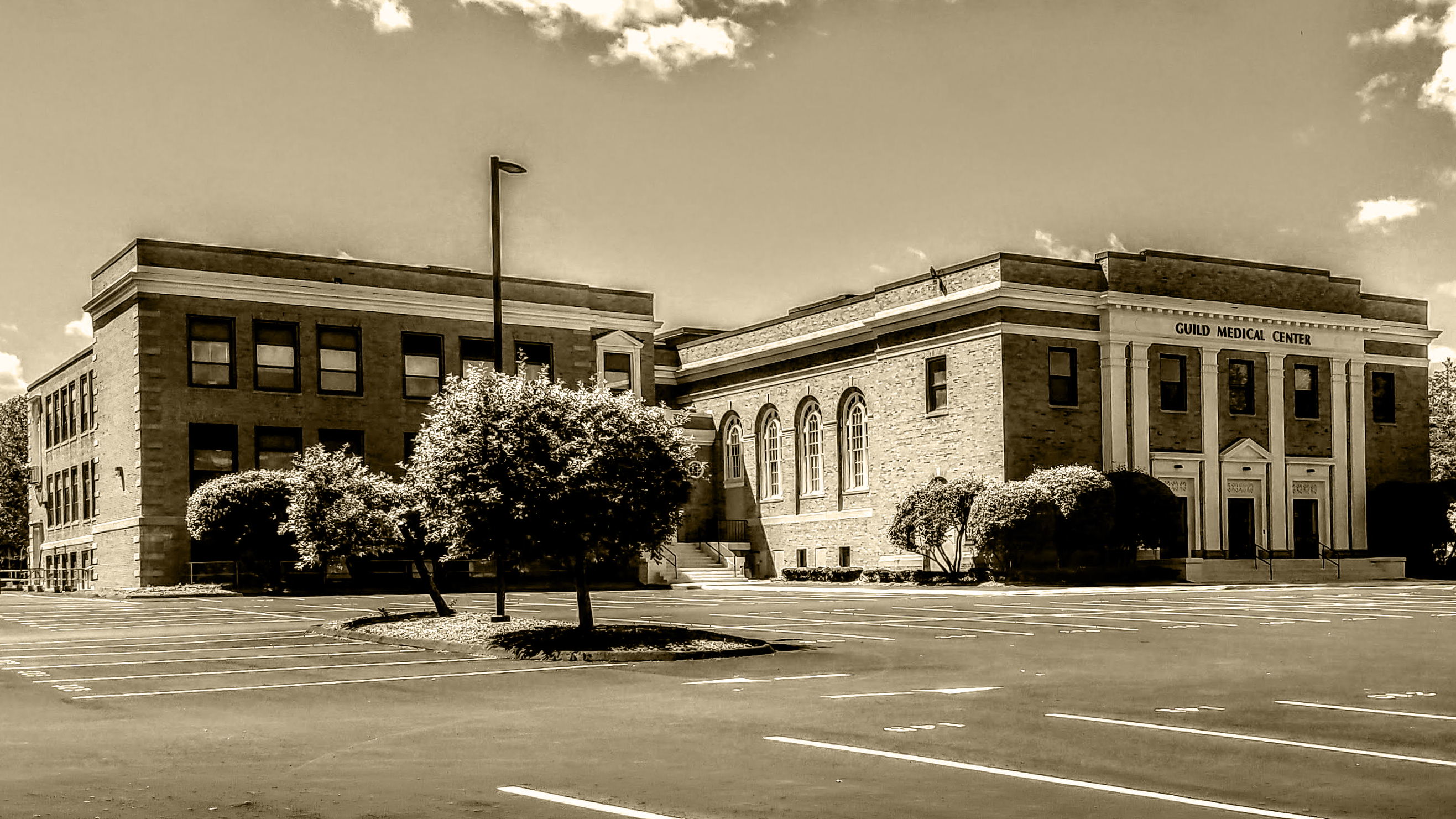
Norwood Hospital to Lease Two Rooms in Former Aaron Guild School for Childbirth Education Program-August 14, 1982
Norwood Hospital reached an agreement with selectmen to rent two rooms in the former Aaron Guild School on Washington Street for a new childbirth education program.
-
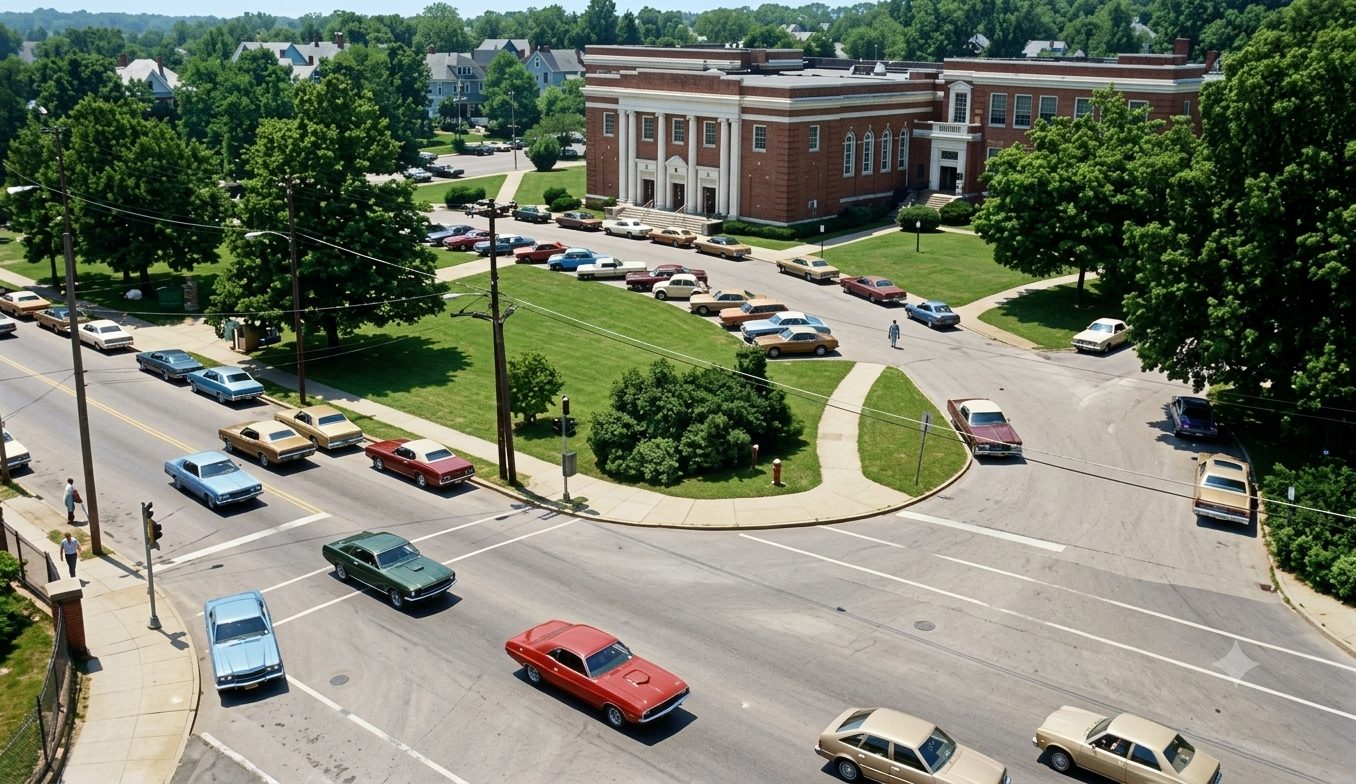
Norwood Hospital Disclaims Interest in Buying Former Aaron Guild School-August 4, 1982
Norwood Hospital administrator David P. Buchmueller announced the hospital has no interest in purchasing the former Aaron Guild School, though the institution supports professional office or elderly housing use nearby.
-
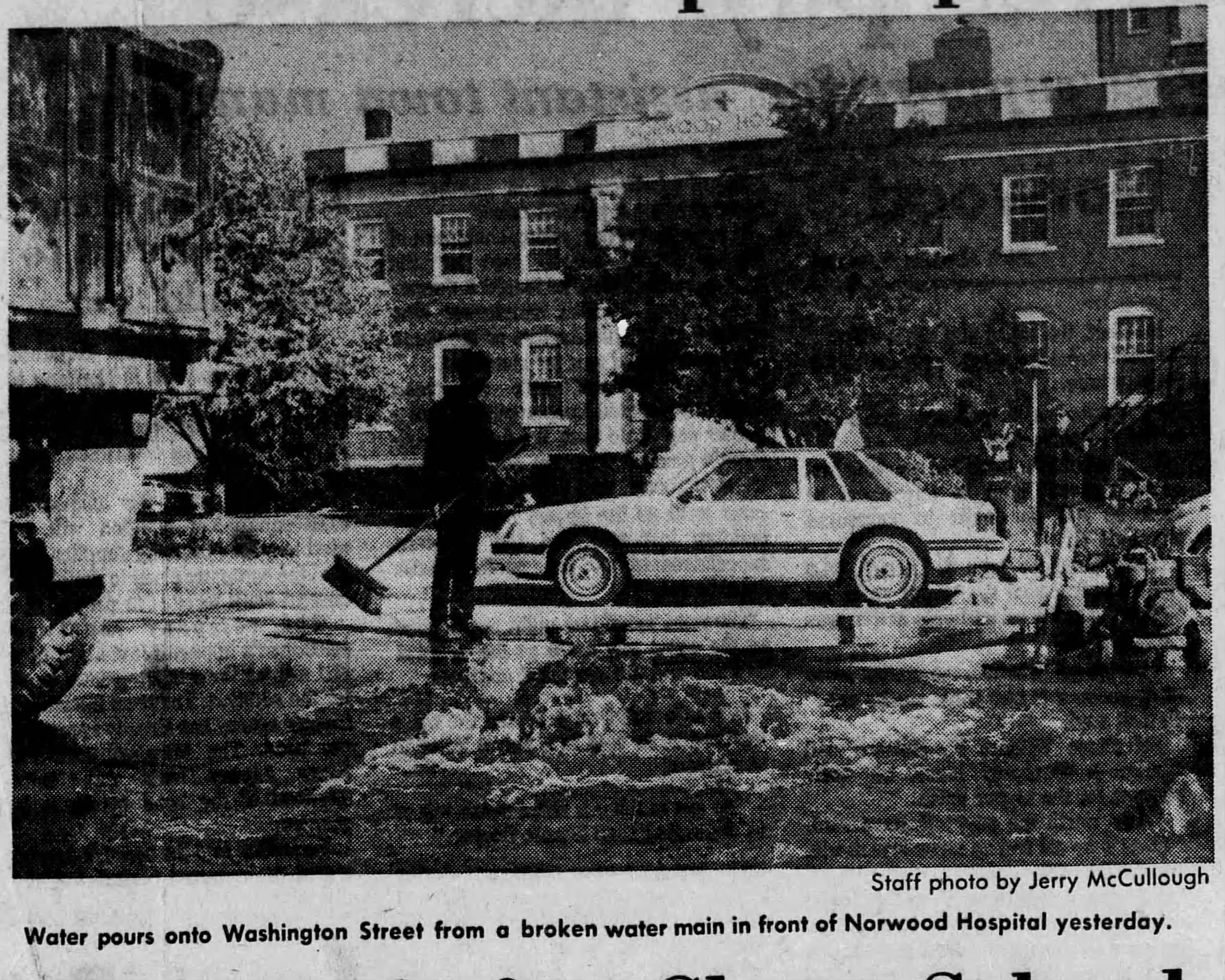
Broken Water Main Leaves Norwood Hospital Without Sprinkler System for Hours-October 21, 1981
A water main break on Washington Street flooded the area, leaving Norwood Hospital without sprinkler coverage for hours while fire officials maintained a close watch.
-
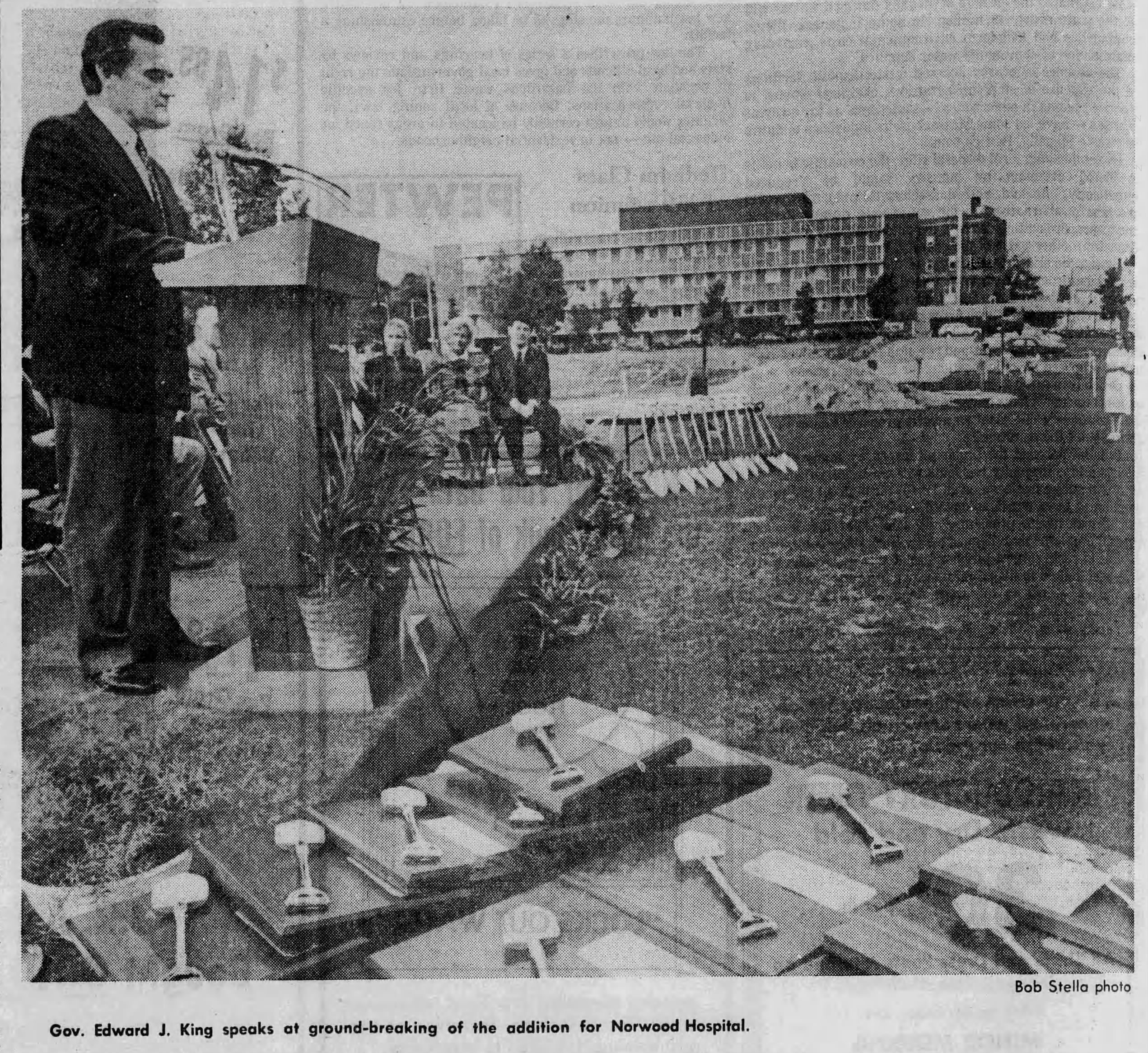
Groundbreaking Held for $28 Million Norwood Hospital Addition After Decade of Planning-September 28, 1981
Governor Edward J. King and local leaders break ground on Norwood Hospital’s $28 million, five-story addition, marking the end of a decade of planning and regulatory hurdles.
-
Twice Postponed: Couple Exchanges Wedding Vows in Unusual Norwood Hospital Setting-September 28, 1981
After the groom is hospitalized with a bleeding ulcer, Wayne Gauthier and Marie Lumnah tie the knot in an unusual ceremony inside Norwood Hospital’s Plimpton Hall.
-
Norwood Hospital Announces “Groundbreaker” Road Race to Kick Off $28 Million Expansion-September 3, 1981
Fitness enthusiasts and community supporters will soon lace up their running shoes as Norwood Hospital officially announces the inaugural “Groundbreaker” road race, scheduled for 10:00 a.m. on September 27. The athletic event serves as a festive centerpiece launching construction on the hospital’s massive $28 million Phase II expansion project. Organized by the hospital’s physical therapy…
-
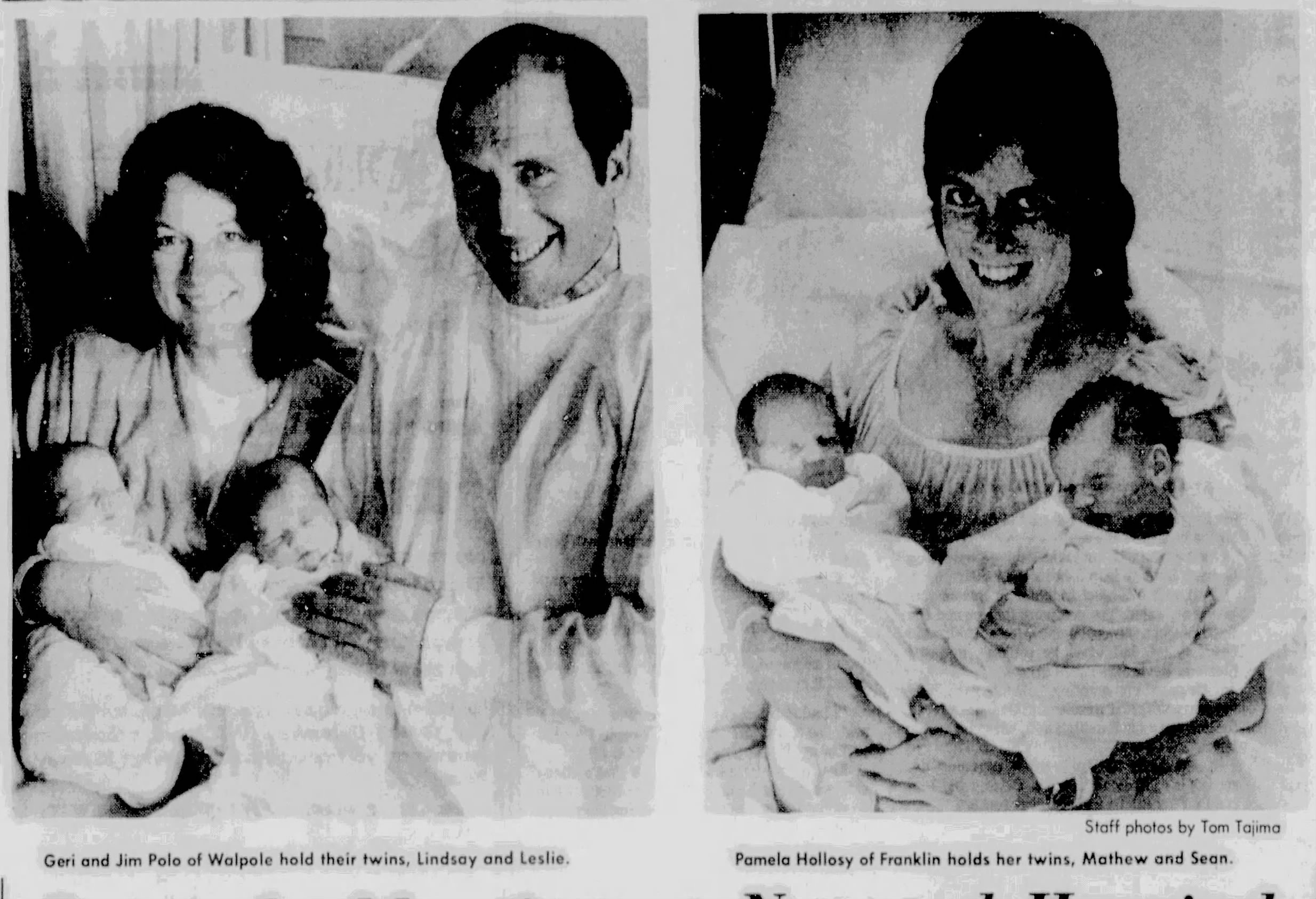
Baby Boom Brings Two Sets of Twins to Norwood Hospital Maternity Ward in One Week-August 15, 1981
Norwood Hospital welcomed a flurry of newborns this week as two sets of twins—Lindsay and Leslie Polo, and Matthew and Sean Hollosy—were delivered by Dr. Frank Mason.
-
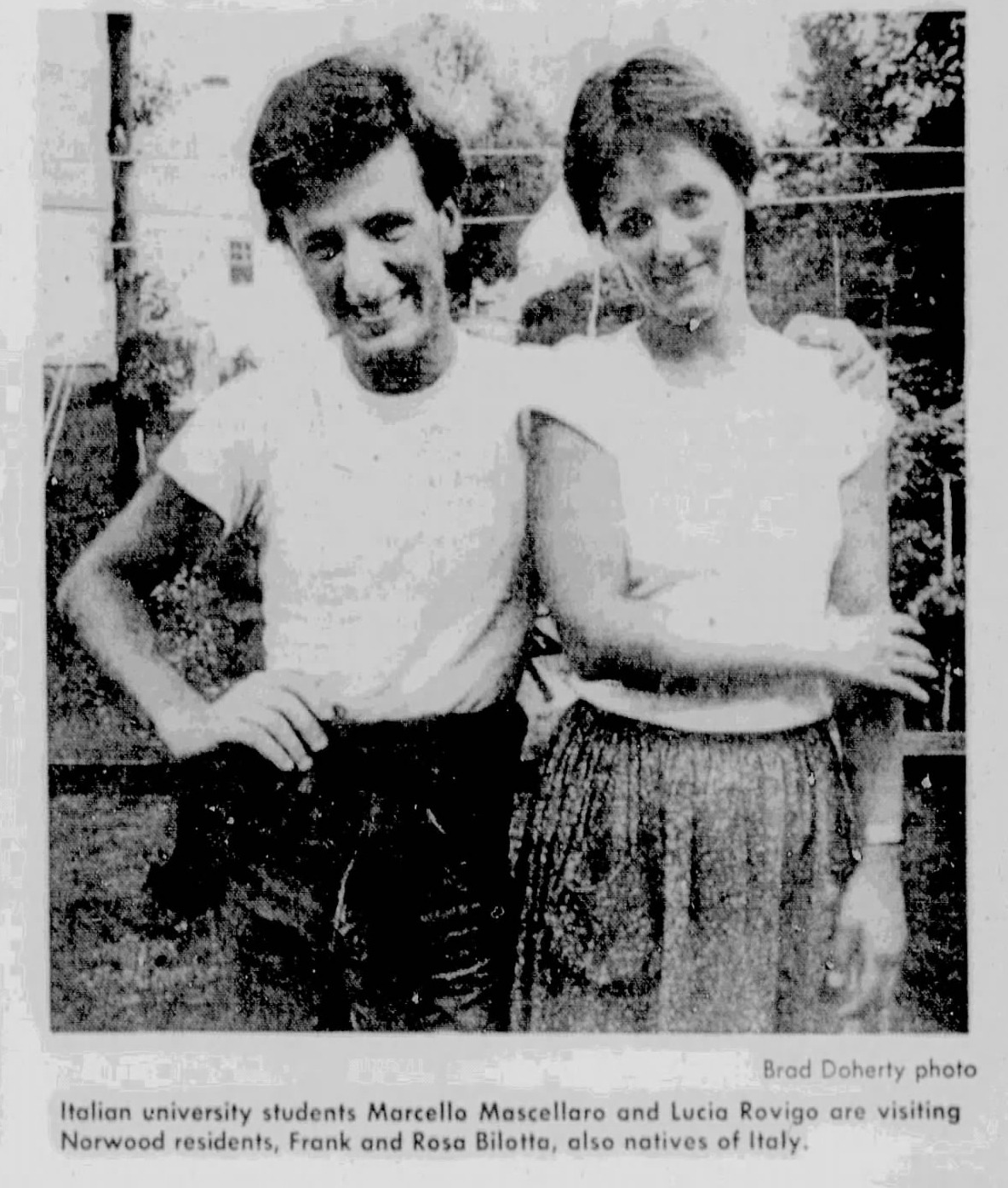
Italian University Students Lucia Rovigo and Marcello Mascellaro Bring Touch of Home to Norwood Host Families-August 10, 1981
Italian university students Lucia Rovigo and Marcello Mascellaro are spending a month in Norwood as guests of local families through the Interstudy program.
-
Talk of the Town-July 20, 1981
Discover more from Norwood Historical Society Subscribe to get the latest posts sent to your email. Type your email… Subscribe

-
End of an Era: Norwood Civic Center Demolition Complete-July 11, 1981
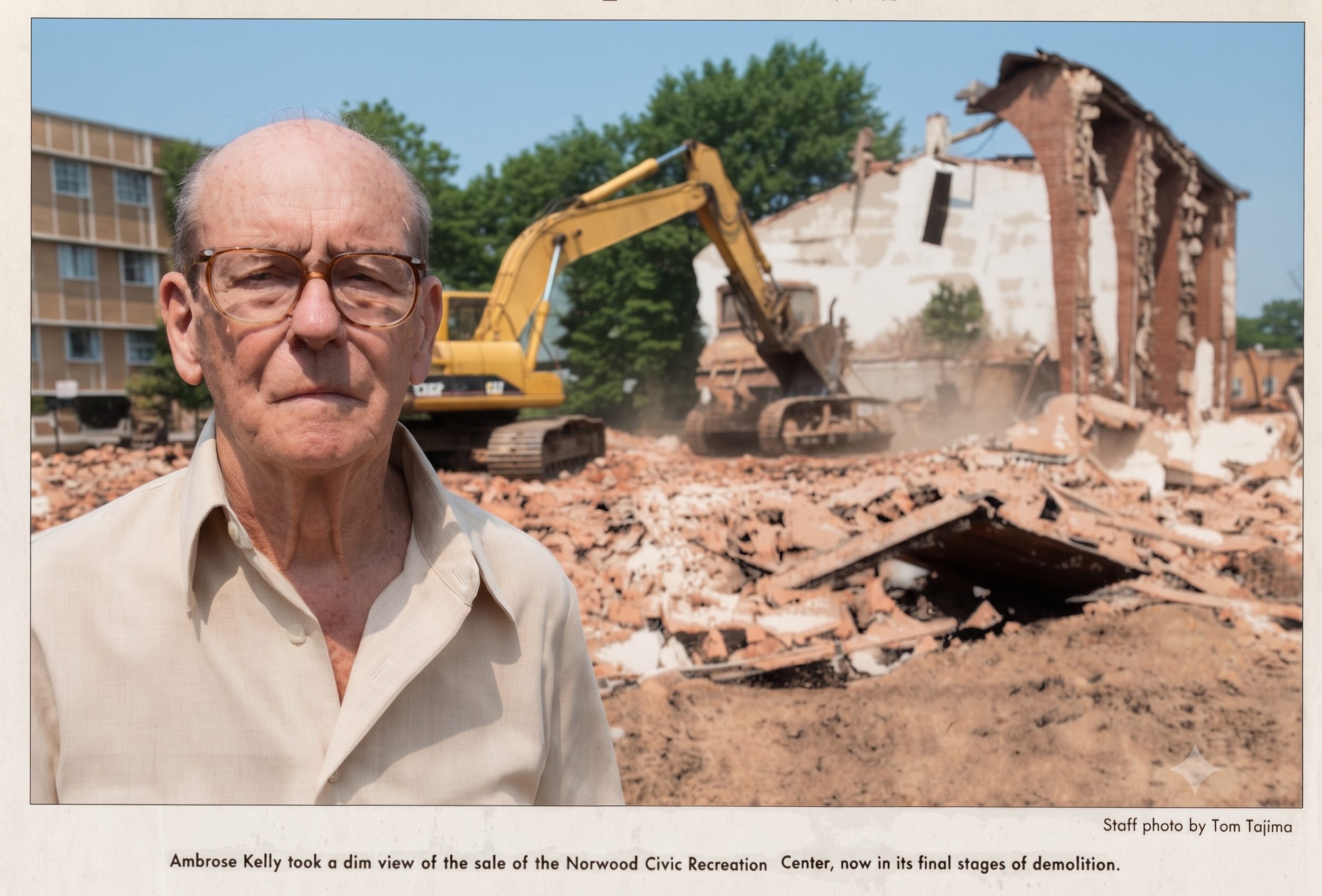
Norwood Civic Center Demolition ⠀ On July 11, 1981, the Norwood Civic Recreation Center—a fixture of the town’s social and recreational life for decades—was leveled as demolition reached its final stages. For longtime resident and former town finance commissioner Ambrose J. Kelly, the sight of the structure reduced to rubble was a somber conclusion to…
Discover more from Norwood Historical Society
Subscribe to get the latest posts sent to your email.