
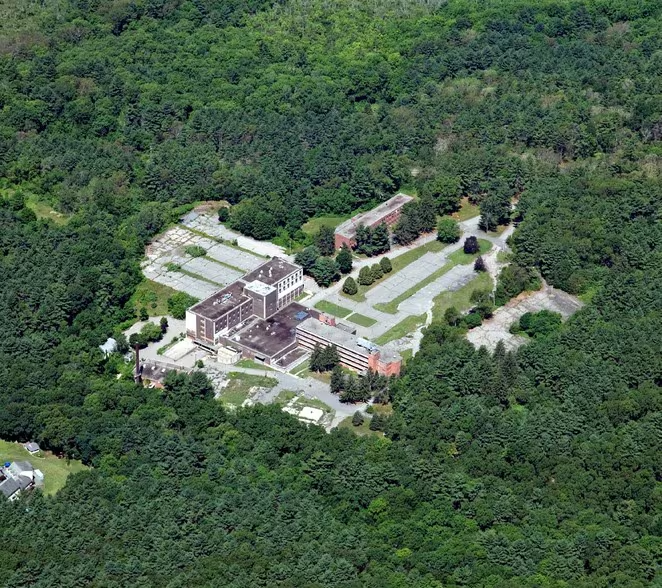
Spokeswoman Marjorie Clapprood Warns Trustees Could Veto Deal Ahead of Nov. 29 State Funding Deadline
NORWOOD – Tough regulatory and financing hurdles threatened to derail Norwood Hospital’s planned $6.9 million acquisition of the state-owned Pondville Hospital cancer-care facility in neighboring Norfolk in November 1981, according to Norwood Hospital spokeswoman Marjorie Clapprood. Reported by Patriot Ledger staff writer Gordon Greenfield on Friday, November 20, 1981, the warning came just one month after state officials and Norwood Hospital agreed on the $6.9 million purchase price—leaving two critical operational conditions unresolved: how many inpatient beds state regulators would license at Pondville, and how long Norwood Hospital would be permitted to charge higher reimbursement rates to recover start-up costs.
Clapprood stated that unless state regulators granted Norwood’s requests on bed capacity and rate structure, Norwood Hospital would be financially unable to operate Pondville. Even if state officials accepted Norwood’s terms and the Massachusetts Legislature passed—and the governor signed—authorizing legislation for the sale, the transaction still required final approval from Norwood Hospital’s Board of Trustees. “The primary concern of the board of trustees is continuing quality medical care,” Clapprood explained, adding that trustees would veto the acquisition if financing costs endangered care standards at either campus or disrupted Norwood Hospital’s ongoing expansion project.
Hospital administrators were negotiating financing arrangements for the Pondville purchase with B.C. Ziegler, an institutional investment banking firm based in Wisconsin. Meanwhile, Norwood Hospital petitioned the Massachusetts Rate Setting Commission for “new provider status” for five years—a designation allowing higher patient rates to offset initial transition and capital expenses—which state officials contended was too long. At the same time, Norwood requested licensing for 156 beds at Pondville, whereas state health officials indicated they would approve only 113 beds. Clapprood anticipated the bed-count dispute would be settled at a state hearing the following Tuesday, though she described negotiations over new provider status as frustrating.
The standoff unfolded against an urgent fiscal clock in Norfolk. Pondville Hospital had originally exhausted its operating funds the previous Saturday and remained open only through a $225,000 infusion from Governor Edward J. King’s emergency reserve account—money projected to run out on November 29, 1981, forcing the state cancer hospital to close unless Norwood Hospital assumed operations or the Commonwealth provided fresh emergency appropriations. While state officials hoped Norwood could take over by November 29 and hospital leaders expressed readiness to step into the facility as soon as possible, Clapprood reiterated that Norwood could not sustain Pondville’s quality of care without the larger bed complement and five-year rate relief.
1981 Pondville Hospital Purchase & Emergency Funding Adjusted to 2026 Dollars
Inflation-adjusted using U.S. Bureau of Labor Statistics CPI data ($1.00 in Nov. 1981 ≈ $3.51 in 2026)
| 1981 Hospital Acquisition & State Emergency Figures | 1981 Amount | 2026 Equivalent |
|---|---|---|
| Agreed Pondville Hospital Purchase Price | $6,900,000 | ~$24,219,000 |
| Gov. Edward J. King Emergency Operating Reserve Grant | $225,000 | ~$789,750 |
Archival Note: This article has been dynamically reconstructed from the original public record print archives of the Patriot Ledger
More Norwood Hospital Stories
-
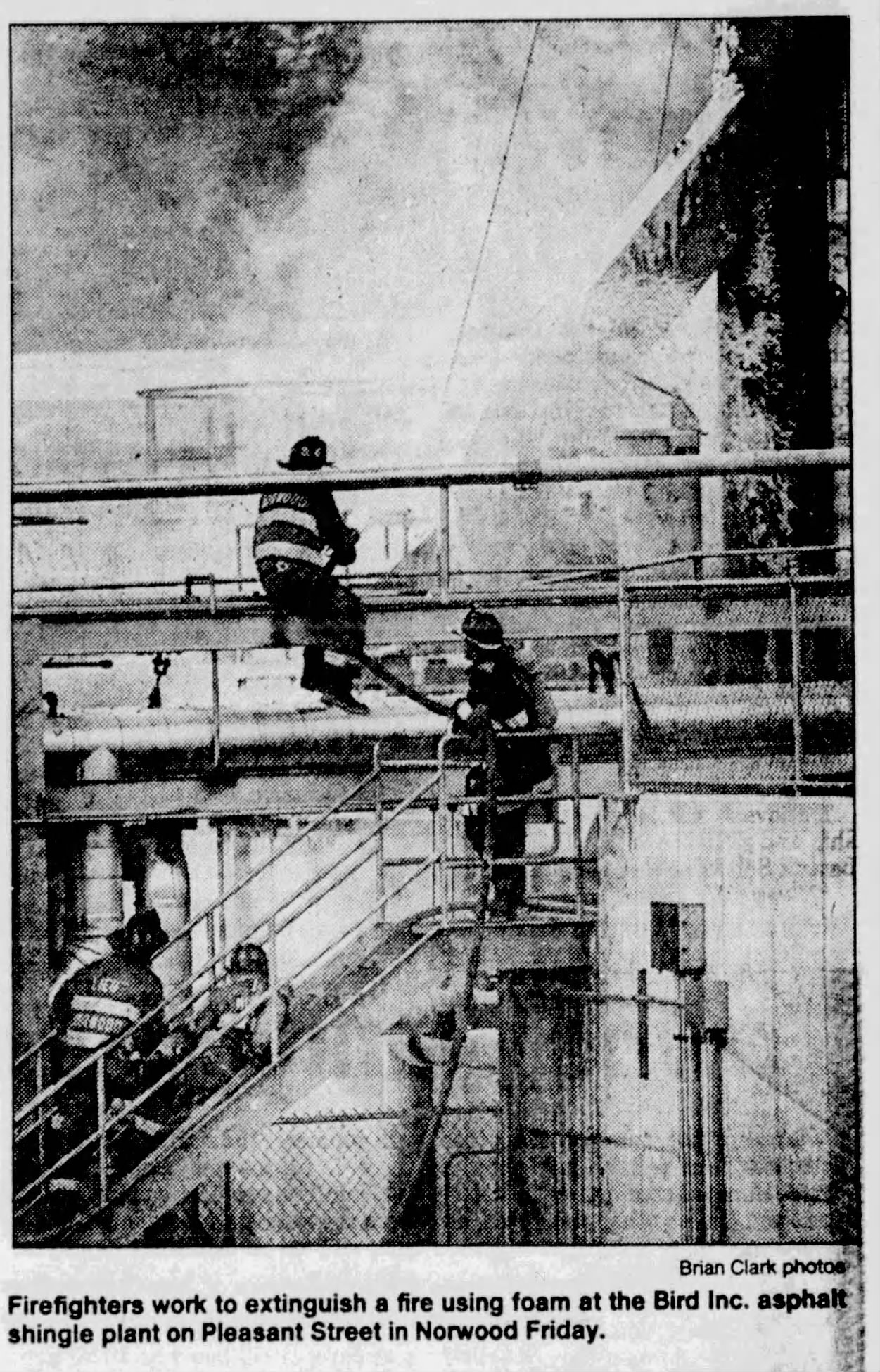
Fire Hits Norwood Bird Inc. Shingle Plant on Pleasant Street-November 11, 1995
Quick action by Norwood firefighters and mutual aid crews from surrounding towns extinguished a three-alarm fire at the Bird Inc. shingle plant on Pleasant Street after thermal oil tanks exploded Friday afternoon.
-
Second-Generation Officer Paul Bishop Praises Norwood’s Community Services and Quality of Life-September 22, 1994
Second-generation police officer Paul Bishop and local families highlight Norwood’s excellent municipal services, schools, and community pride.

-
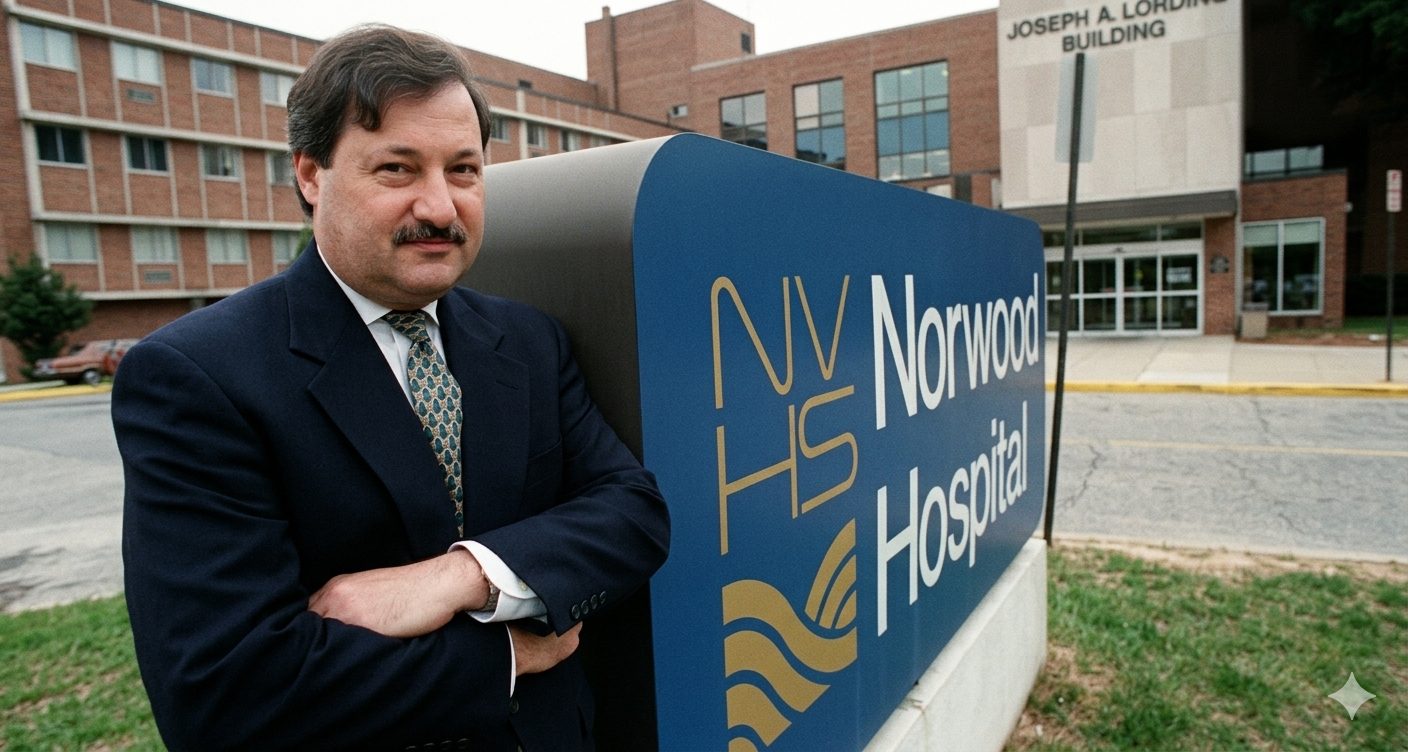
Norwood Hospital Cuts 84 Staff Jobs-This Day in Norwood History-May 1, 1994
On May 1, 1994, the community of Norwood awoke to sobering news: Norwood Hospital—long one of the region’s most stable employers—announced the elimination of 84 staff positions, a 10‑percent reduction in its workforce. The cuts reflected a seismic shift underway in American health care, one that would reshape hospitals across Massachusetts and the nation. The…
-
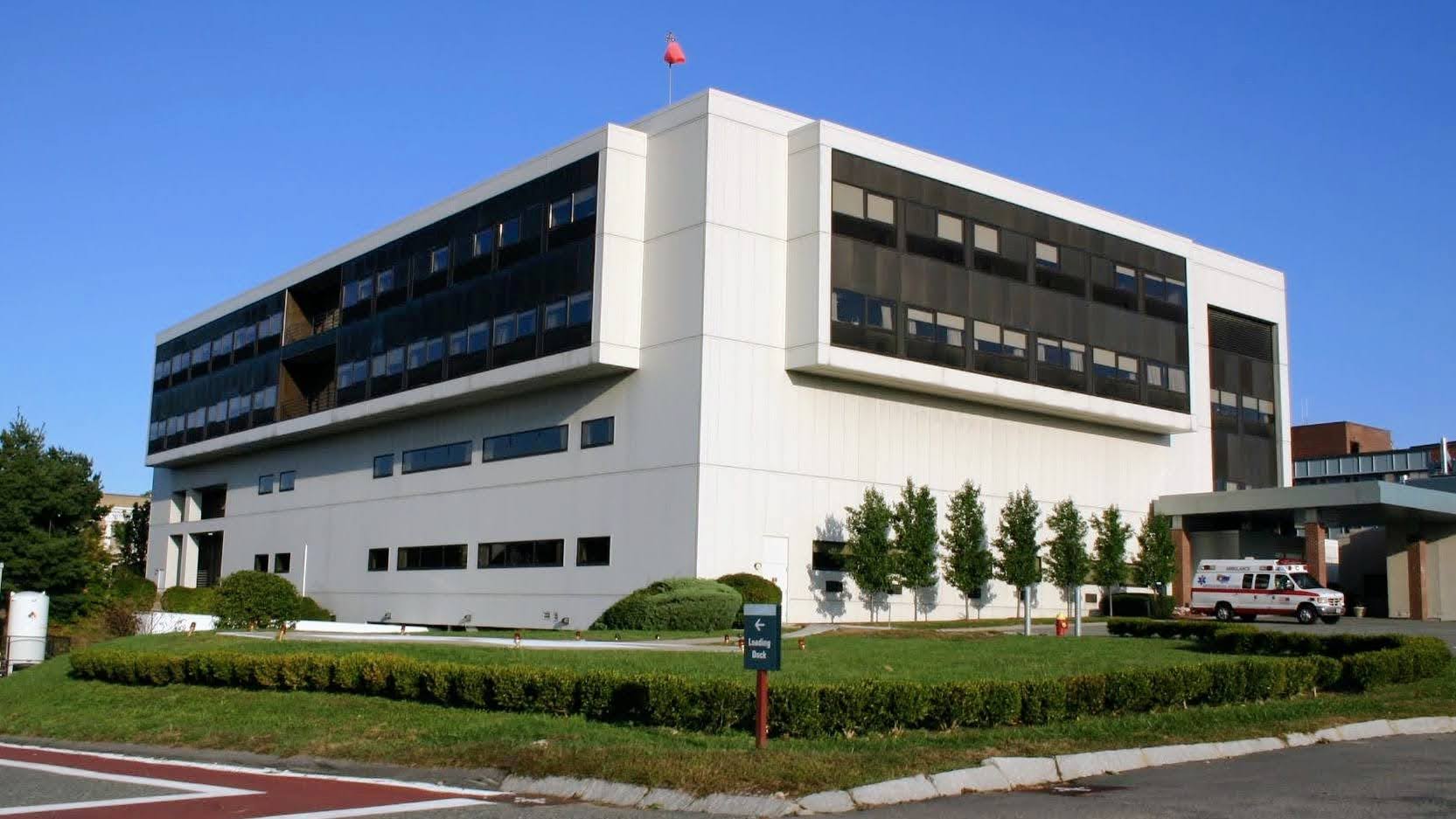
Norwood Hospital Opens Innovative Breast Evaluation Center-October 26, 1992
Norwood Hospital launched its new Breast Evaluation Center, bringing together an oncologist, surgeon, radiologist, and radiation therapist to provide rapid, affordable diagnoses in a single visit.

-
Norwood Hospital Released Man Later Accused of Murder-July 3, 1992
In the wake of a tragic incident that shook the community, Norwood Hospital officials addressed public concerns regarding the discharge of Steven Stivaletta, a patient who was later accused of murdering his grandmother. Frank Niro, the new president of Neponset Valley Health Systems-the entity that owns Norwood Hospital-offered the hospital’s first public explanation regarding the…
-
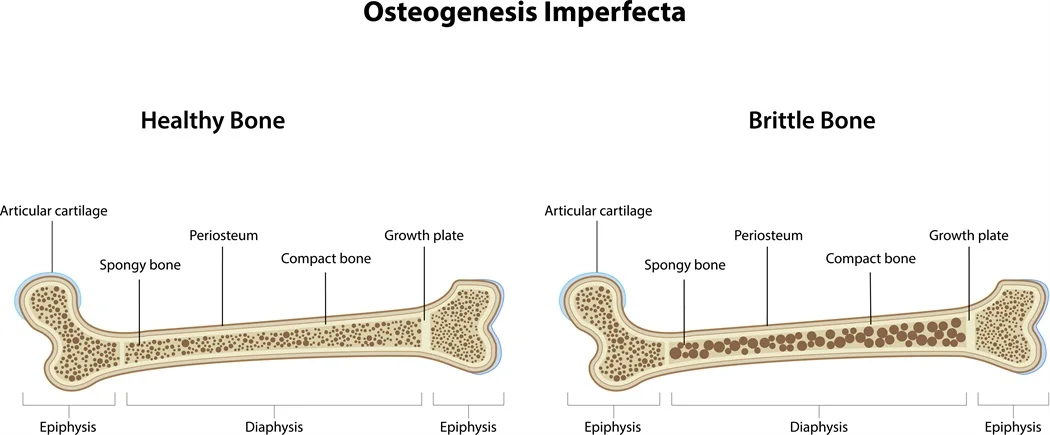
Breaking the Silence on Brittle Bone Disorder-This Day in Norwood History-June 28, 1991
A Norwood family’s national custody battle over a rare bone disorder inspires a new library support group to protect innocent parents.
-
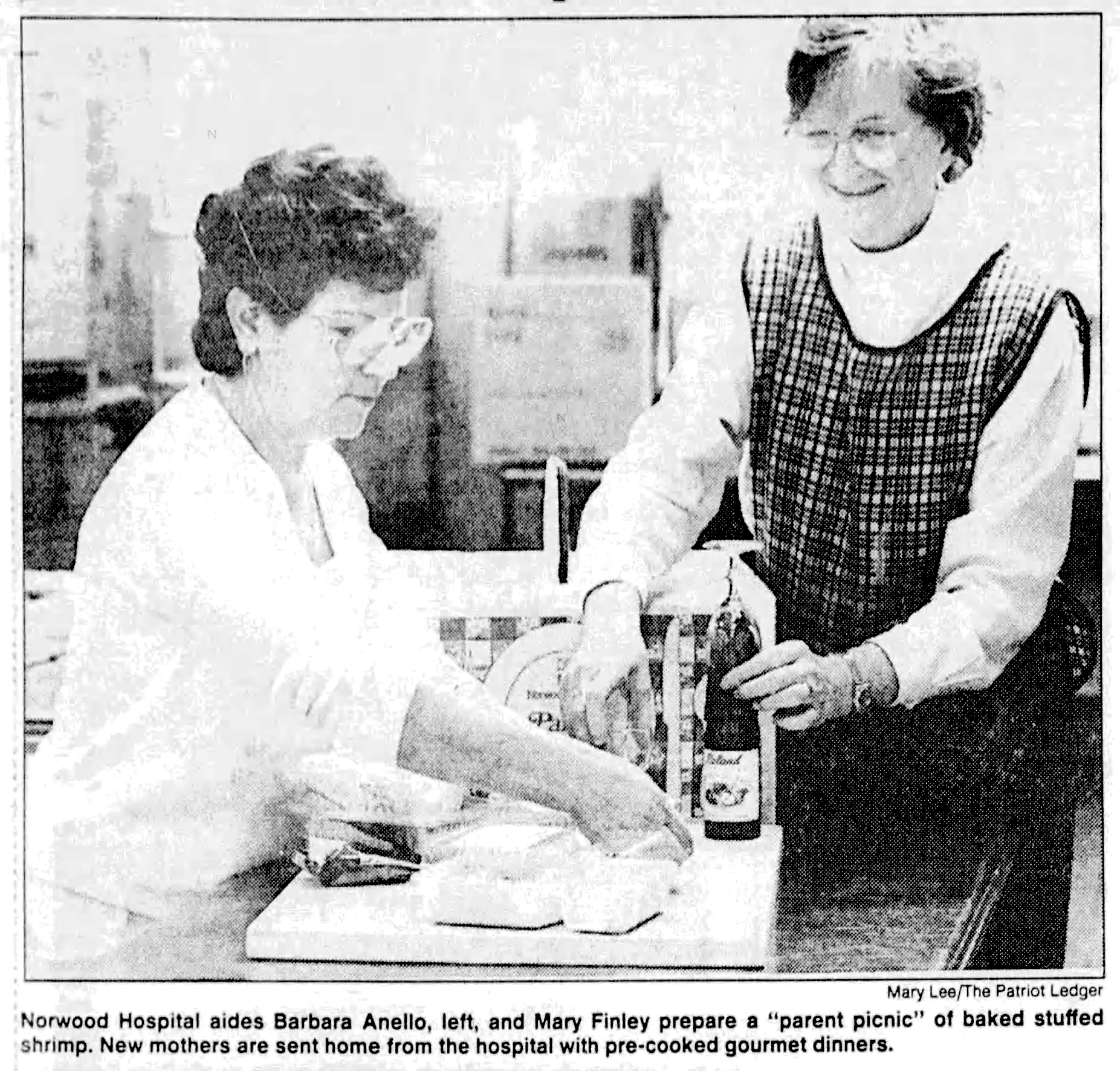
Norwood Hospital Introduces “Parent Picnic” Take-Home Gourmet Dinners for New Parents-October 16, 1989
When Joanne Bartucca checked out of the maternity wing at Norwood Hospital weeks ago, she left with two precious bundles of joy: newborn Paul Mario Bartucca (weighing in at 11 pounds, 5 ounces) and a complete gourmet dinner for two packed in an insulated basket. To ease the transition home for exhausted new parents, Norwood…
-
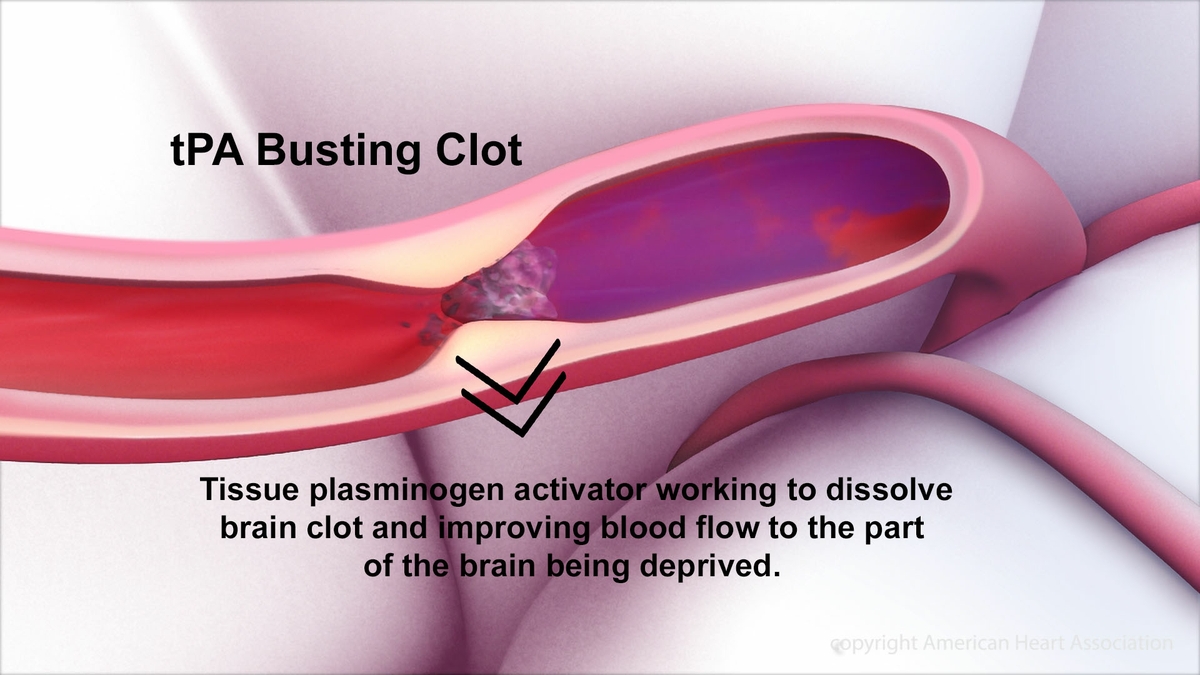
Norwood Hospital Among Pioneer Medical Centers in Clinical Trials of Revolutionary Heart Attack Drug TPA-November 14, 1987
Following successful clinical trials at Norwood Hospital under Dr. John Cadigan III, the FDA approved the breakthrough clot-dissolving heart attack drug TPA.
-
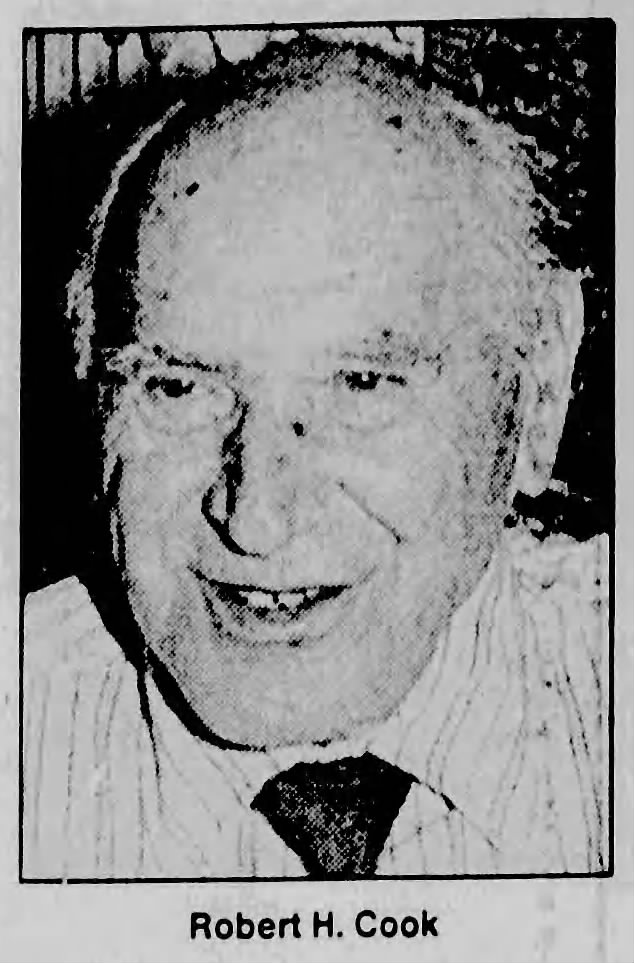
Robert H. Cook, Former Norwood Area Chamber of Commerce President and Boston Edison Union Pioneer, Dies at 87-October 16, 1987
Remembering Robert H. Cook, a dedicated Norwood civic leader, longtime Chamber of Commerce executive secretary, and influential utility union organizer.
-
Norwood Hospital Temporarily Closes 28-Bed Unit Due to Low Seasonal Occupancy-September 5, 1985
Norwood Hospital officials announced the temporary shutdown of a 28-bed medical-surgical unit yesterday, taking nearly 10 percent of the facility’s total bed capacity offline in response to a seasonal drop in patient census. Administrator Bruce Komiske firmly rejected notions that the closure signaled underlying financial instability, describing the move as a routine cost-saving measure frequently…
Discover more from Norwood Historical Society
Subscribe to get the latest posts sent to your email.