
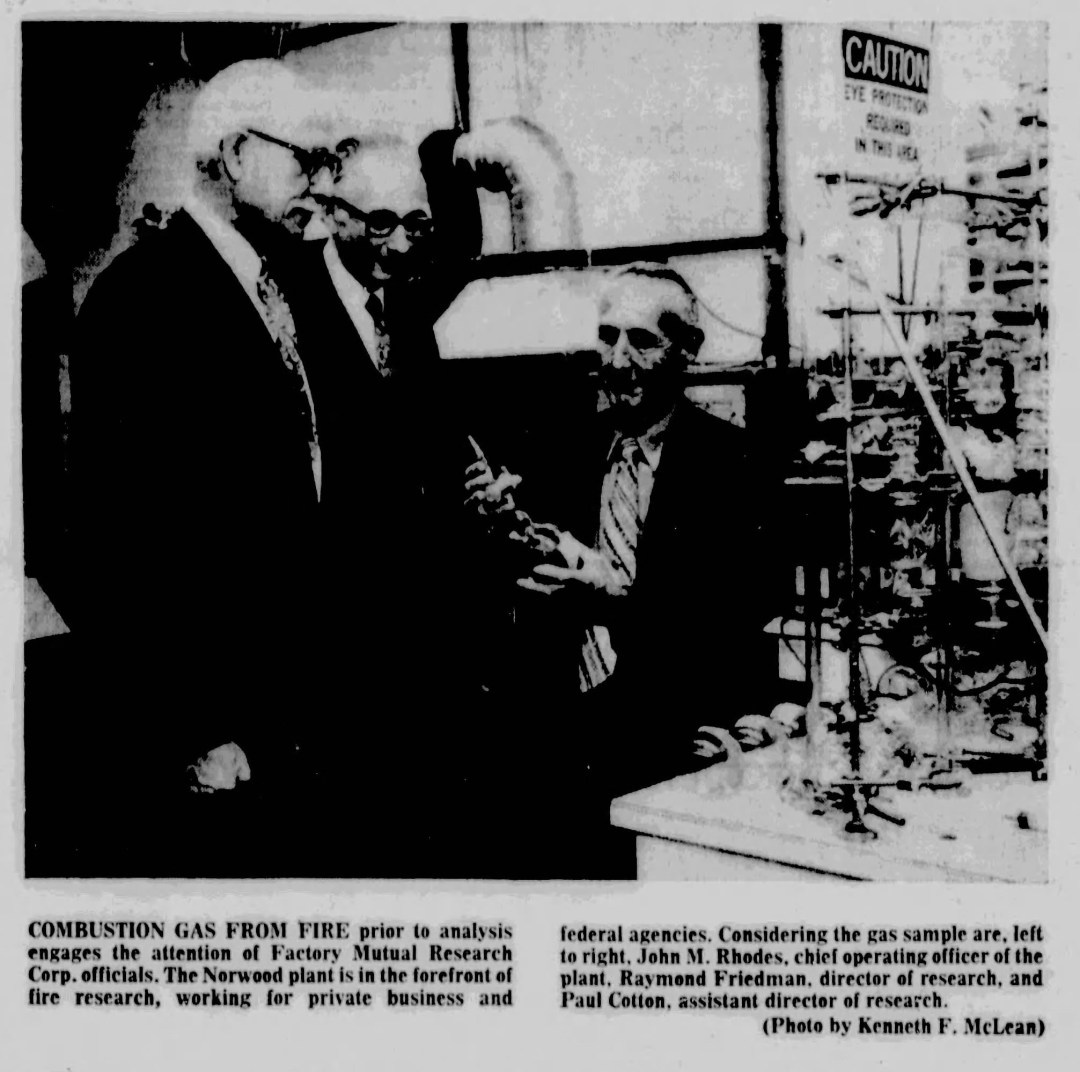
Route 1 Complex Led by John M. Rhodes, Raymond Friedman, and Paul Cotton Conducts Cutting-Edge Studies on Combustion Toxics, High-Rise Evacuation, and Economical Home Sprinklers for Federal Agencies

“Fire!” is perhaps one of the most fearsome cries in an increasingly populated and industrialized society, but federal agencies and business organizations are placing growing faith in scientific approaches to preventing and containing blazes. At the very forefront of this global fire research is the internationally known Factory Mutual Research Corp., located in a handsome brick complex along Route 1 in Norwood. Known overall as the Factory Mutual System—founded in 1835 in Providence by enterprising mill owner Zachariah Allen—the worldwide enterprise comprises major mutual insurance firms including Allendale, Arkwright-Boston, Philadelphia Manufacturers, and Protection Mutual, alongside operational arms like Factory Mutual Engineering Corp. and Factory Mutual Engineering Association.
Inside the Norwood plant’s rabbit warren of laboratories, offices with wall-size blackboards covered in complex equations, and conference rooms, a highly specialized staff of experts works to understand the fundamental mechanics of fire. The personnel includes Ph.D.s in mathematics, physics, chemistry, and chemical engineering, as well as specialists in heat transfer, fluid dynamics, and mass transfer. “Our philosophy is that losses can be controlled,” stated John M. Rhodes of Medfield, chief operating officer of Factory Mutual Research. Working alongside Raymond Friedman, director of research, and Paul Cotton, assistant director of research—as captured in a staff photograph by Kenneth F. McLean—Rhodes emphasized that conquering fire hazards requires deep scientific understanding. “The more we know the better we can control it,” he asserted, noting variables ranging from draft effects and material positioning to chemical interactions and toxic gas releases.
Among its many initiatives, Factory Mutual is conducting significant research for federal agencies. For the Department of Health, Education, and Welfare (HEW), the firm is identifying products of combustion—such as methane, acids, and carbon monoxide—to ascertain their toxic effects and help toxicologists determine treatments for exposure. For the Department of Housing and Urban Development (HUD), the facility recently completed a study on the extinction process in enclosures to help develop more economical sprinkler systems for general residential use, high-rise buildings, elderly housing, and rest homes. While acknowledging obstacles such as high plumbing costs, water pressure limitations, aesthetic resistance to exposed piping, and the high threshold required to trigger traditional sprinklers, Rhodes noted that manufacturers are exploring discreet ceiling designs. Furthermore, Massachusetts stands out as one of the few states requiring sprinklers on every floor above a certain height.
Archival Note: This article has been dynamically reconstructed from the original public record print archives of the Patriot Ledger
More Norwood Business History
-
Norwood Shoe Warehouse To Be Built-July 16, 1964
As the sun rose over the quaint town of Norwood on July 16, 1964, a sense of excitement and anticipation filled the air. The residents of this charming community were abuzz with news that Consolidated Shoe Inc., a prominent manufacturer of several renowned brands, had finally reached an agreement to construct a state-of-the-art warehouse on…

-
Medical Center Plans Expected-July 10, 1964
The development of a proposed medical building on Walpole Street reached a significant milestone on July 10, 1964, as organizers announced that final preliminary plans were approximately one month from completion. ⠀ Once this rough draft is finalized, the project will be handed over to an architect—who had not yet been designated as of that…
-
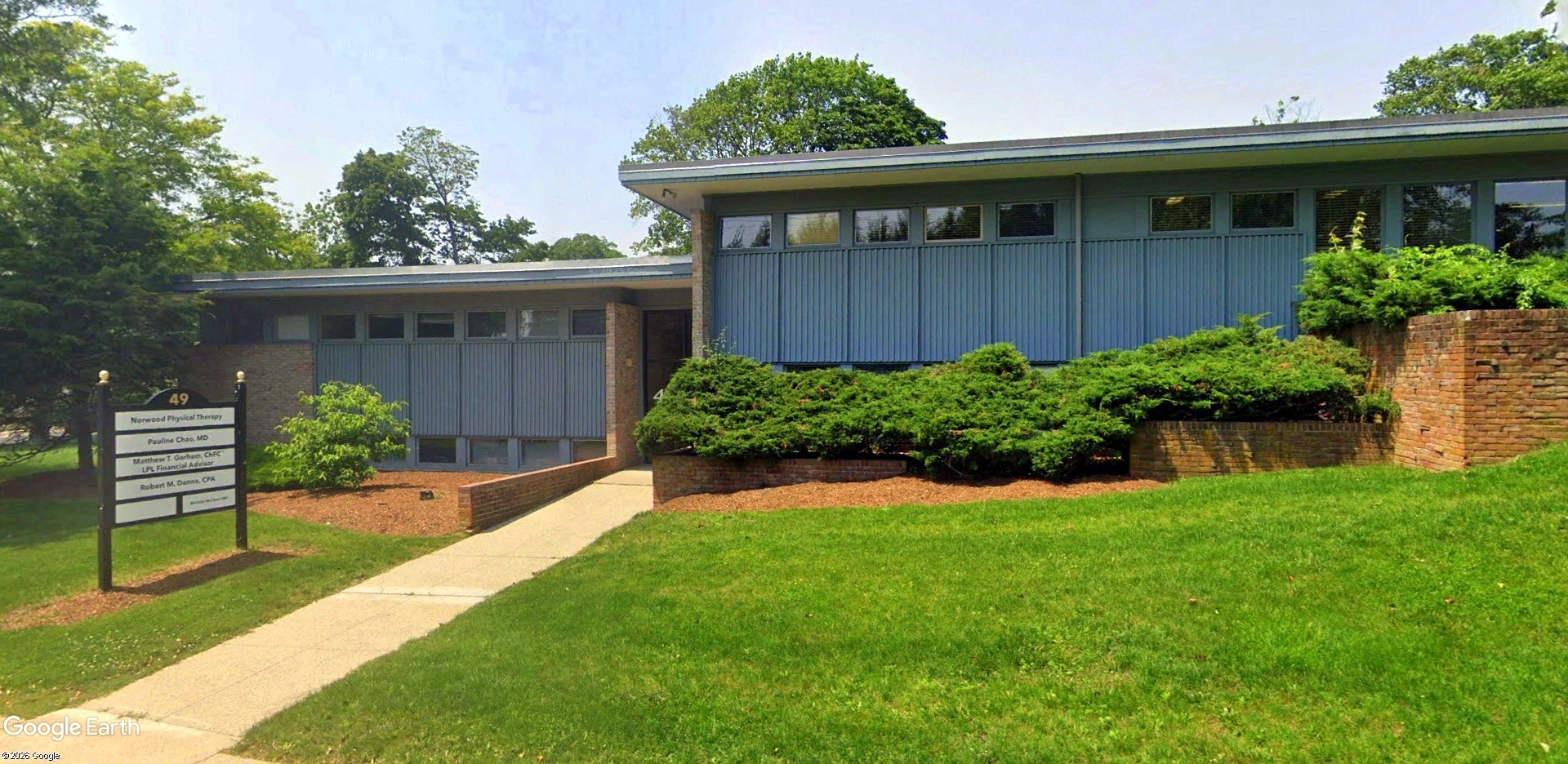
James H. McManus Ice Cream Company Opens Norwood Pilot Store-July 8, 1964
In June 1964, the James H. McManus Ice Cream Company opened a new pilot location in Norwood, featuring over 40 flavors of traditional ice cream, sherbets, and water ices.
-
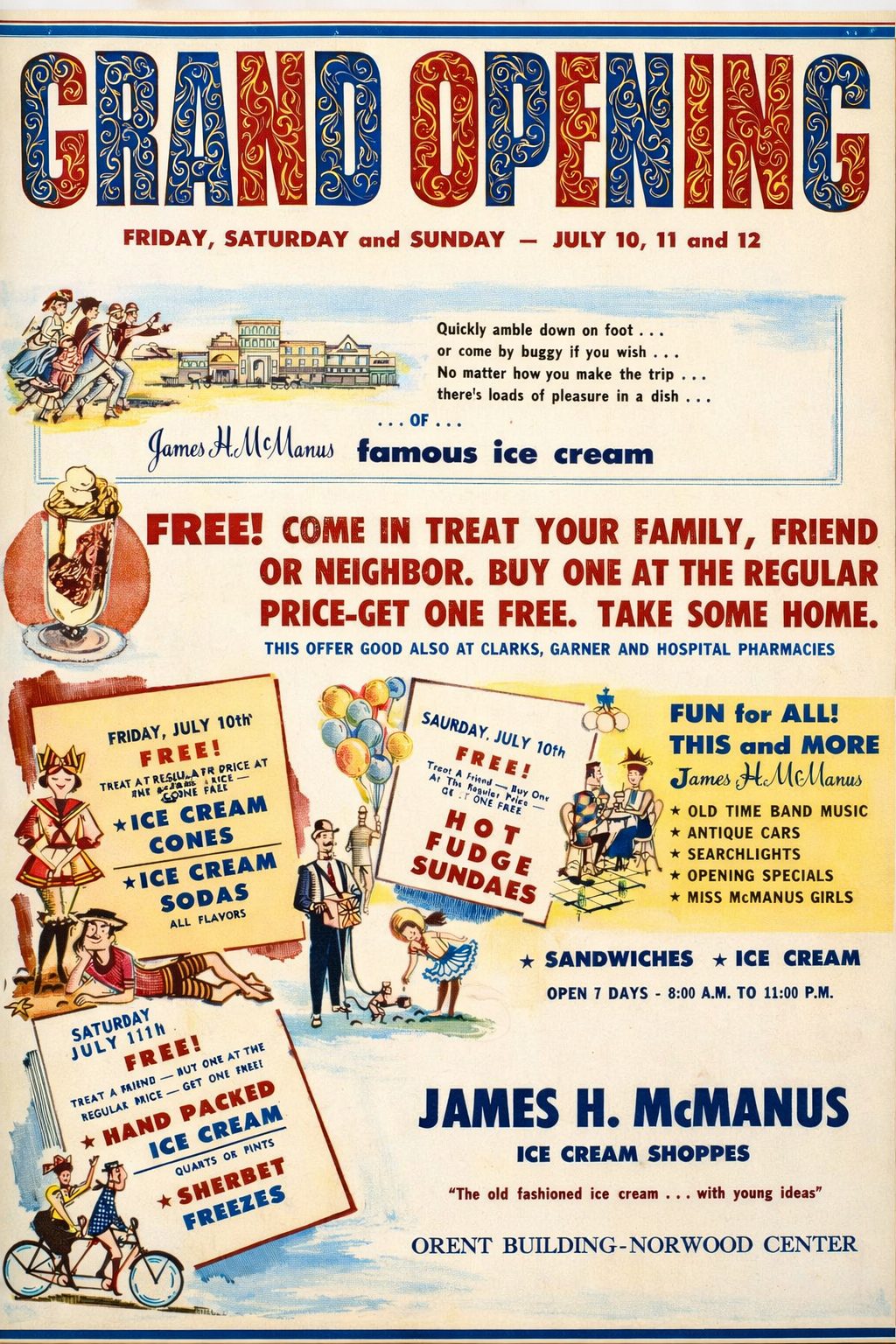
Proposed Norwood Medical Arts Building and School Committee Budget Decisions-October 31, 1963
Architectural plans were unveiled for the proposed Norwood Medical Arts Building, while the School Committee voted to release its 1964 budget and adopted a new extended sick leave policy for teachers.
-
Developer Frank R. Simoni Seeks Zoning Change for New Shopping Center Project-August 21, 1963
Developer Frank R. Simoni has petitioned the Norwood Planning Board for a zoning change on Walpole Street to construct a shopping center, prompting a public hearing set for September 9.
-
Sears, Roebuck to Build Store In Norwood Shopping Center-May 22, 1960
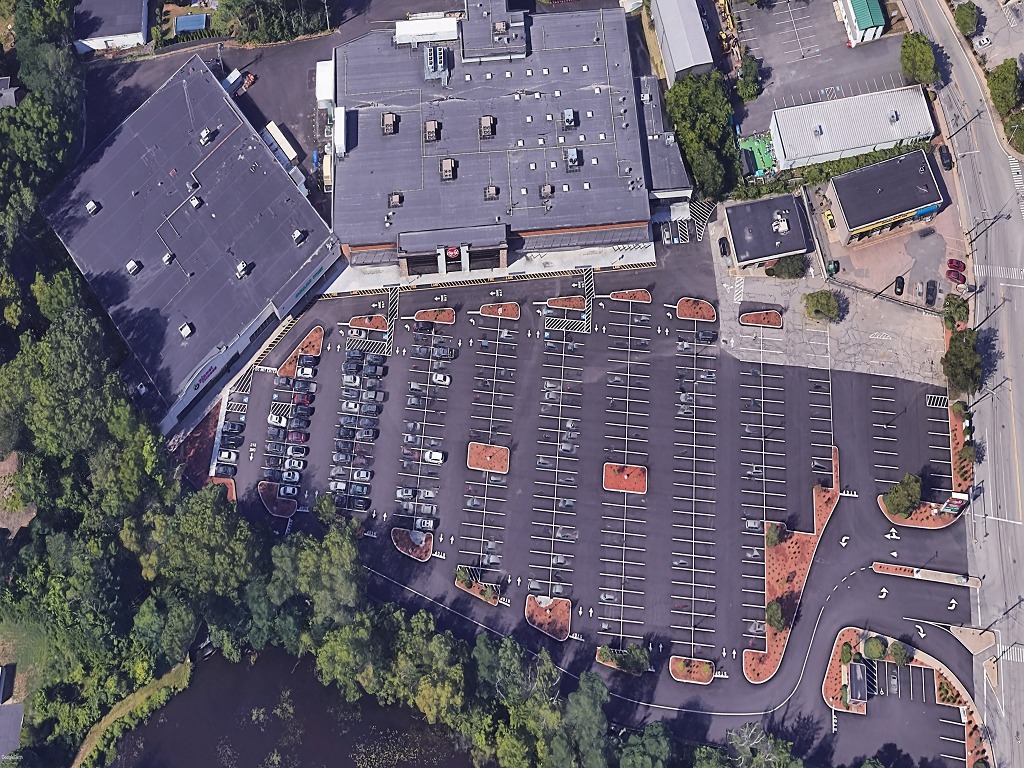
On May 22, 1960, a crowd of civic, business, and government leaders gathered beneath a bright late‑spring sky at the Norwood Shopping Center, where a ceremonial shovel of earth marked the beginning of a major new chapter in local retail life. The groundbreaking celebrated the start of construction on a 31,500‑square‑foot Sears, Roebuck and Co.…

-
Community News-September 15, 1955
Miss Dougherty’s dance studio prepares to open on Day Street, Norfolk County Extension sets fall workshops in Walpole, and Local 362 resumes its monthly meetings.

-
Norwood’s Thriving Business Scene-August 4, 1955
A look back at Norwood in 1955 reveals a thriving local economy filled with bustling auto dealerships like Boch Nash, popular eateries like Green Jade, and trusted neighborhood hardware stores and beauty salons.

-
War Conditions Cause Change In South End Hardware Hours-November 6, 1942
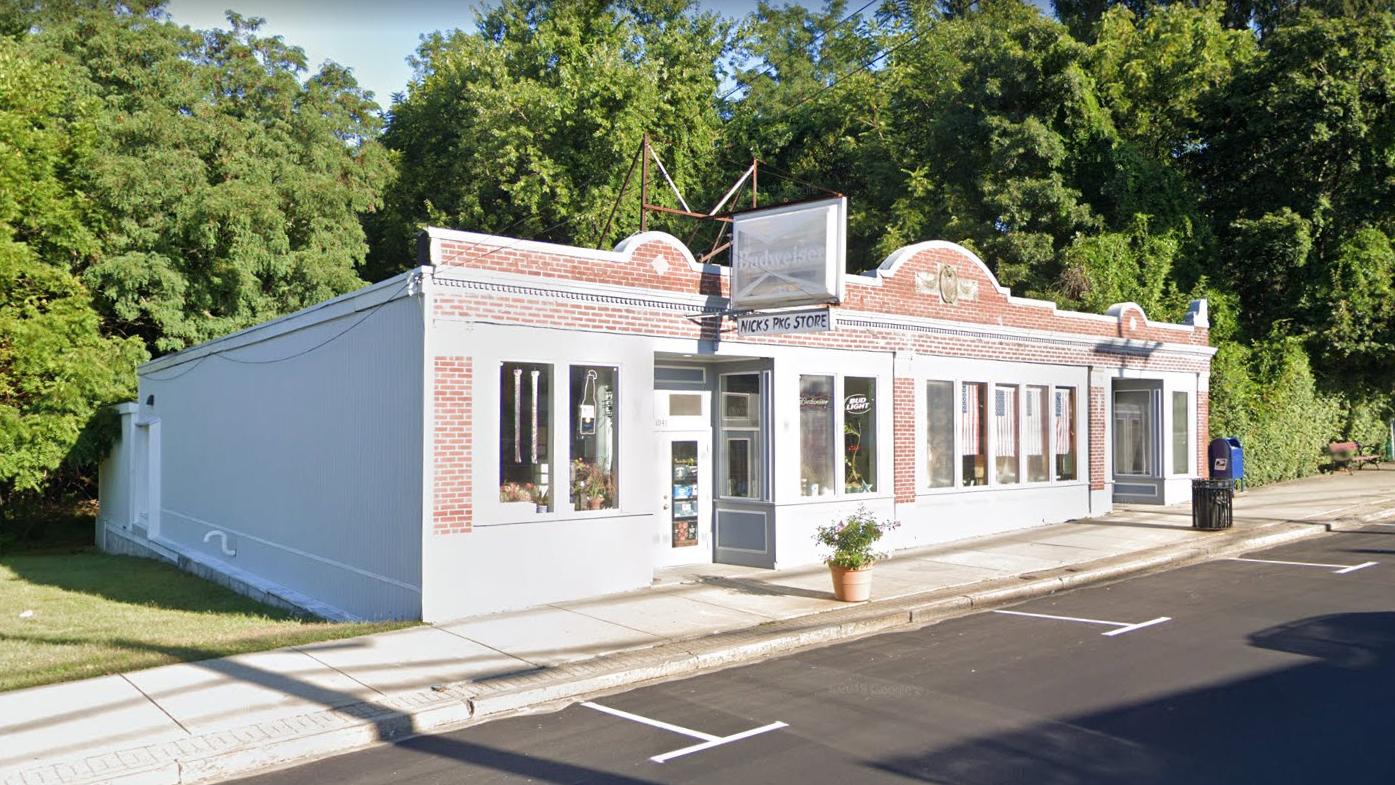
War Conditions Cause Change In South End Hardware Hours-This Day In Norwood History-November 6, 1942
-
Women Working at Bendix To Be Best In Country-November 5, 1942
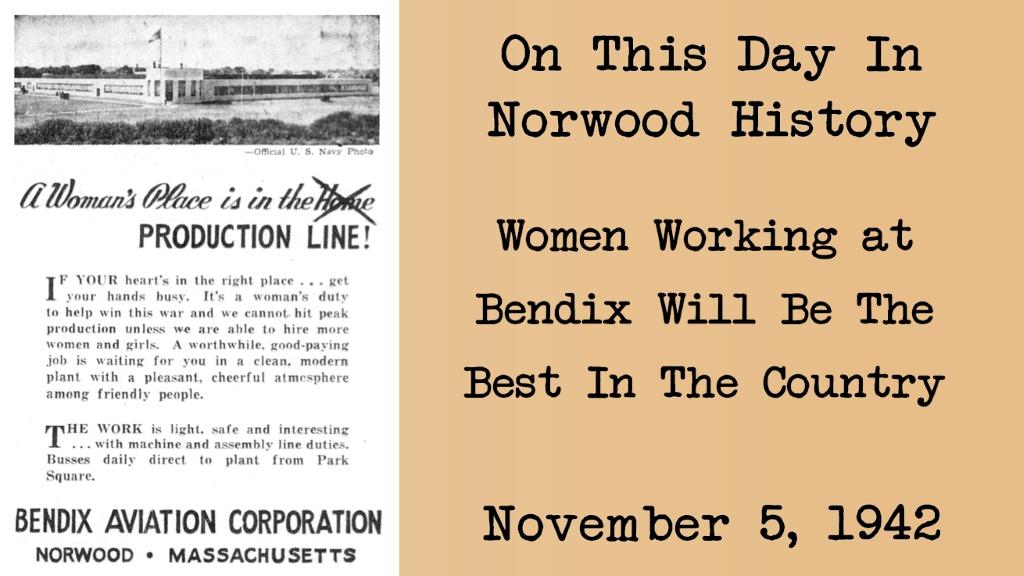
Women Working at Bendix To Be Best In Country-This Day In Norwood History-November 5, 1942
Discover more from Norwood Historical Society
Subscribe to get the latest posts sent to your email.