
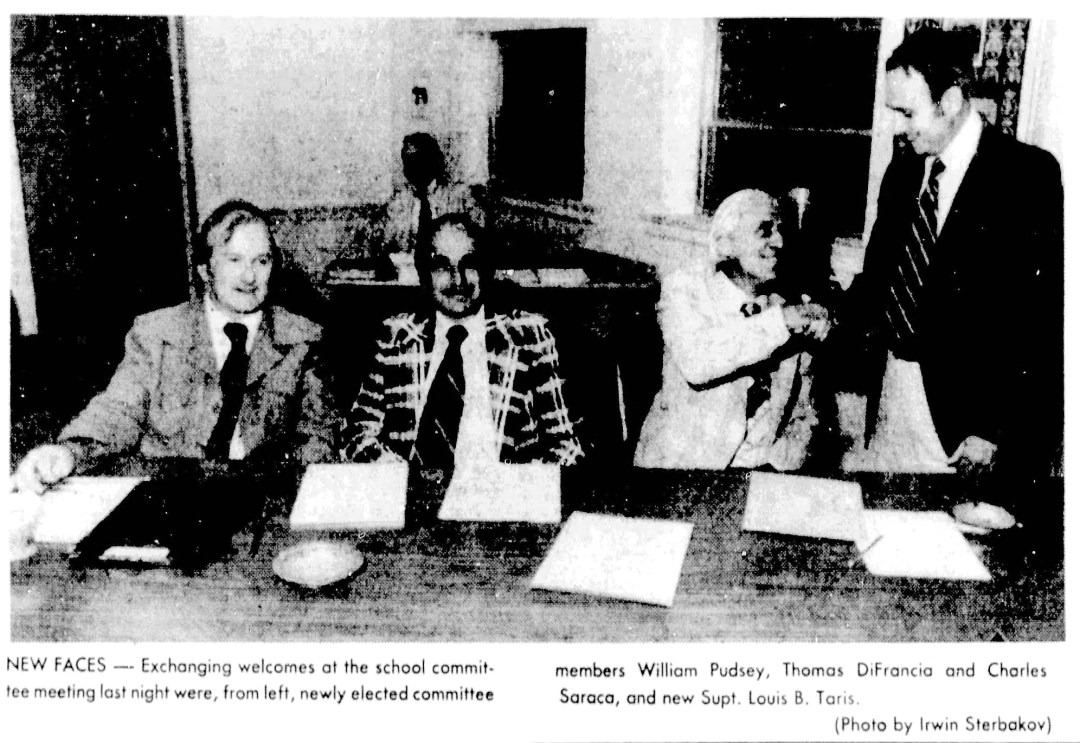
“I never voted against Henry before, but I can’t afford him any longer,” one elderly resident remarked at the polls, capturing the sentiment of many older voters who turned out in force to oust 18-year School Committee member Henry W. Diggs in Norwood’s first recall election in 40 years.
Voter Turnout and Campaign Strategies
The convergence of a large turnout of financially strapped older taxpayers and the defeat of Diggs—widely regarded as one of the most respected members of the school board in recent history—vividly demonstrated the intense public anger over rising property taxes and school spending. Recall drive leader John W. Hayes and fellow town meeting members orchestrated a targeted campaign appealing directly to Norwood’s large elderly demographic, capitalizing on pre-election projections of a $5 minimum tax rate hike that would siphon an additional $150 from the average homeowner.
The strategy paid off at the ballot box, producing an upset that shocked political observers. While organizers anticipated defeating incumbents John H. Chisholm or Richard W. Kief, few foresaw the defeat of Diggs, who lost by a narrow margin of just five votes to challenger Thomas DiFrancia. Alongside DiFrancia, challengers Charles C. Saraca and William Pudsey successfully swept into office, replacing the recalled incumbents.
Fiscal Debate and Future Political Fallout
The recall stemmed from bitter budgetary battles earlier in the spring and summer between the Finance Commission and the School Committee. Following the wave of taxpayer revolts sparked by California’s Proposition 13, the town meeting slashed $618,000 from the school budget, citing a 300-pupil enrollment drop (and 1,500 fewer students since peak attendance in 1970) against a 6 percent budget increase. The school board initially resisted cuts beyond 10 teacher positions and refused to close an elementary school, prompting the taxpayer-backed recall movement.
Defeated members argued they were victims of “Proposition 13 hysteria,” maintaining that educational quality would suffer from the budget cuts. Meanwhile, public employees decried the election results, warning that public workers would be forced to subsidize broader economic pressures.
With the first recall concluded, attention immediately shifted to a second scheduled recall election on October 24 targeting the remaining four school committee members—Rudith M. Berkowitz, Joan H. Cuff, William F. Egan, and Joseph M. Pentowski—coinciding with the special election for the late Selectman Joseph W. Wall‘s vacant seat. Remaining incumbents planned to campaign on their records as compromisers, promising tighter spending controls and a commitment to closing a school in the upcoming academic year.
Archival Note: This article has been dynamically reconstructed from the original public record print archives of the Patriot Ledger
More…
-
Bells Are Ringin’-July 3, 1970
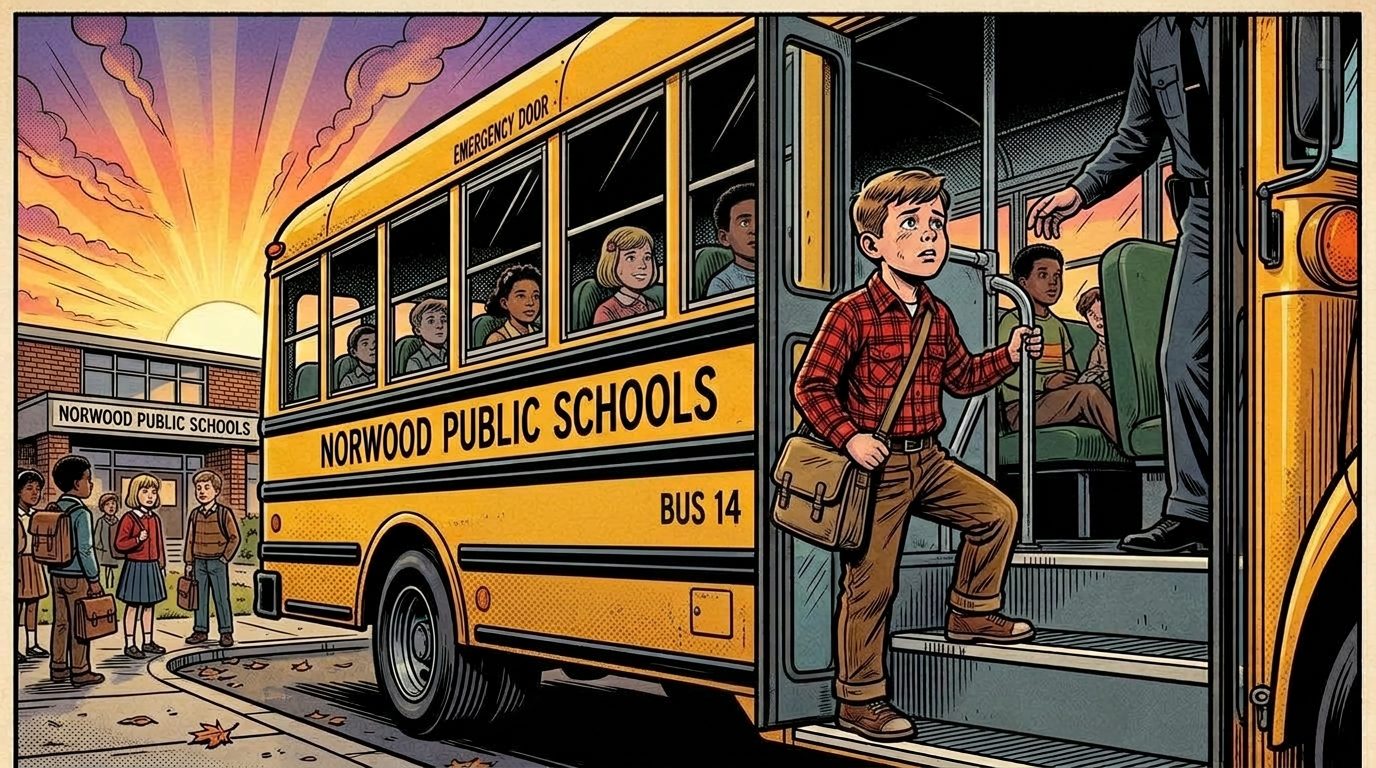
The Norwood School Committee overhauled its student transportation system and faced an $8,000 wave of structural school vandalism in July 1970
-
School Board Stops Metco And Book Lists-June 18, 1970
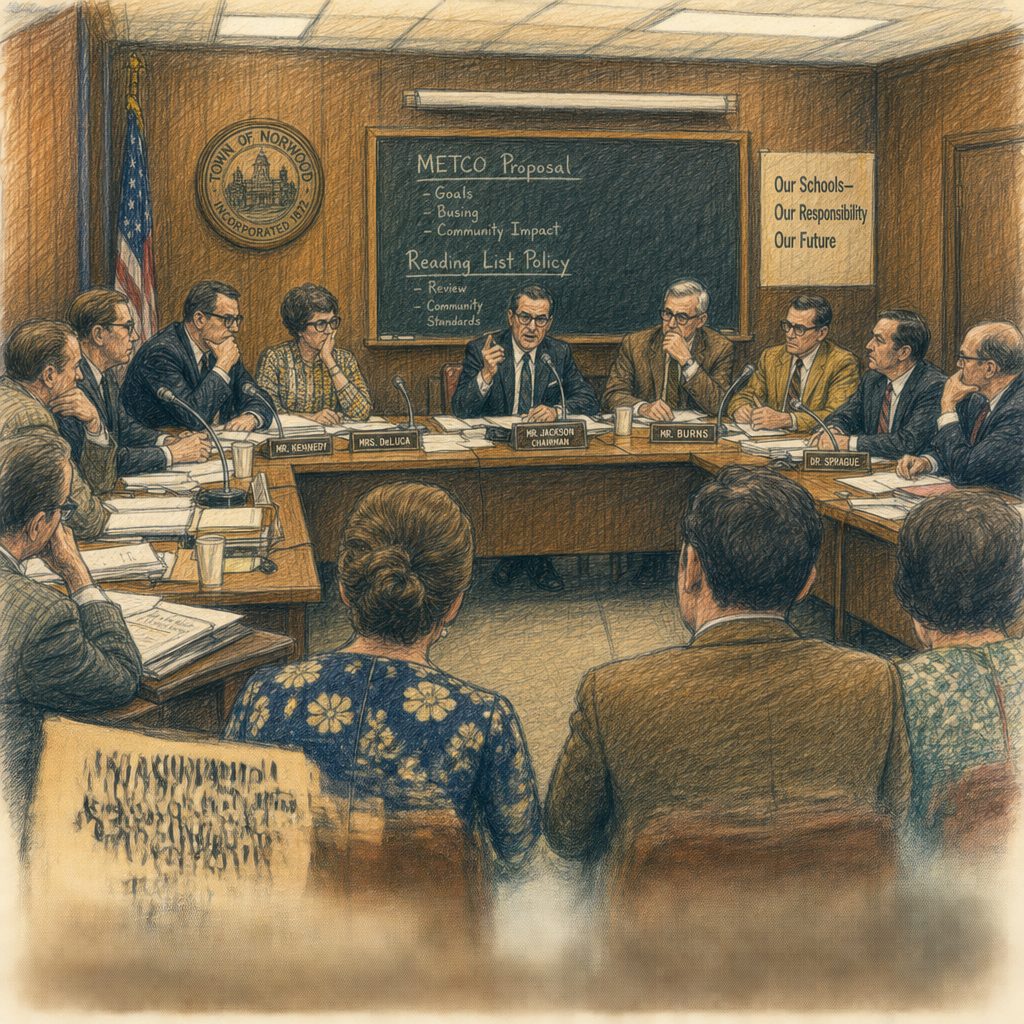
A tie vote defeats a local high school Metco expansion while the school committee votes to completely abolish student reading lists
-
Boards Press for Expanded Community Use of School Gymnasiums-August 14, 1969
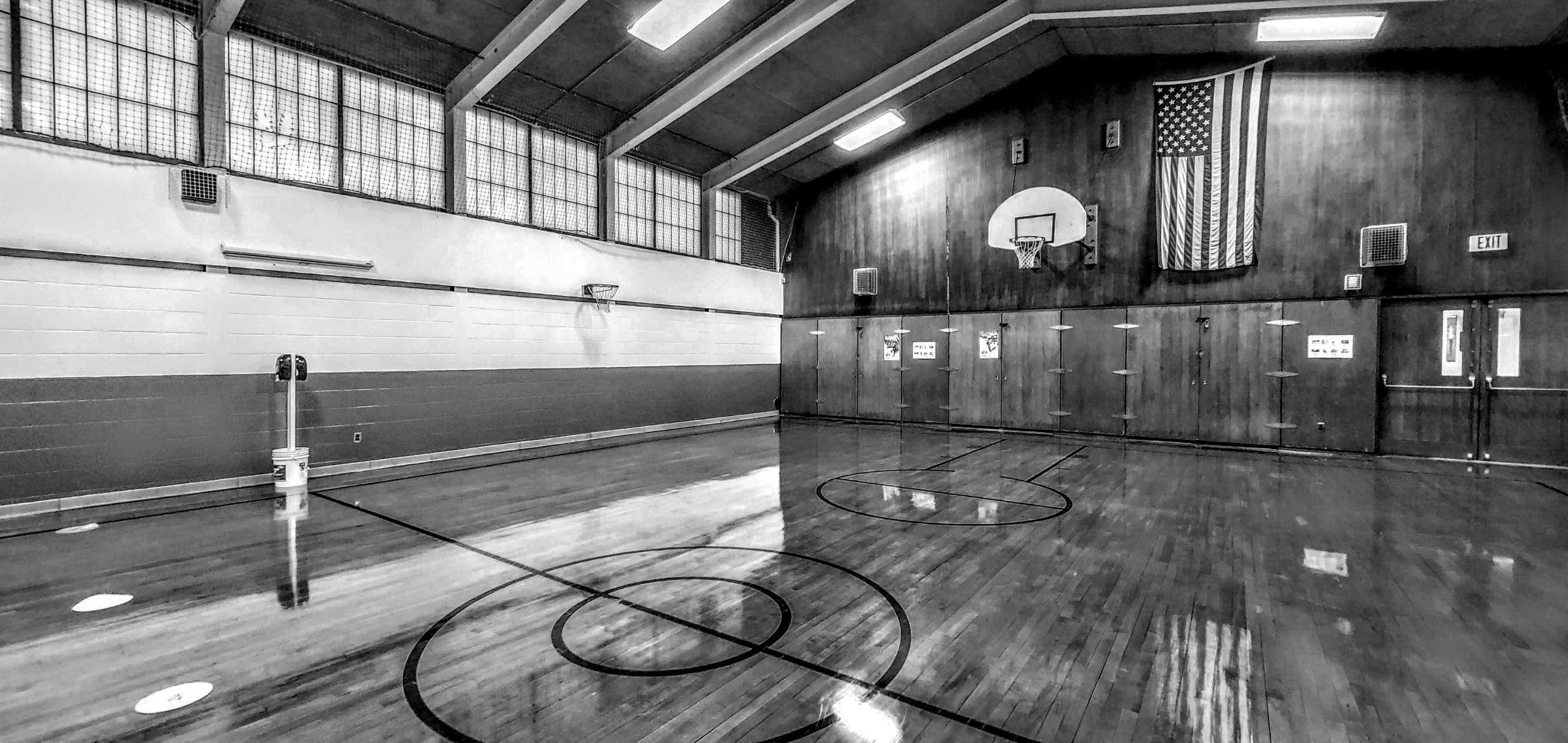
Citing taxpayer ownership and a lack of indoor recreational space, Norwood selectmen and Charles C. Saraca urged the school committee to open school gyms to the public.
-
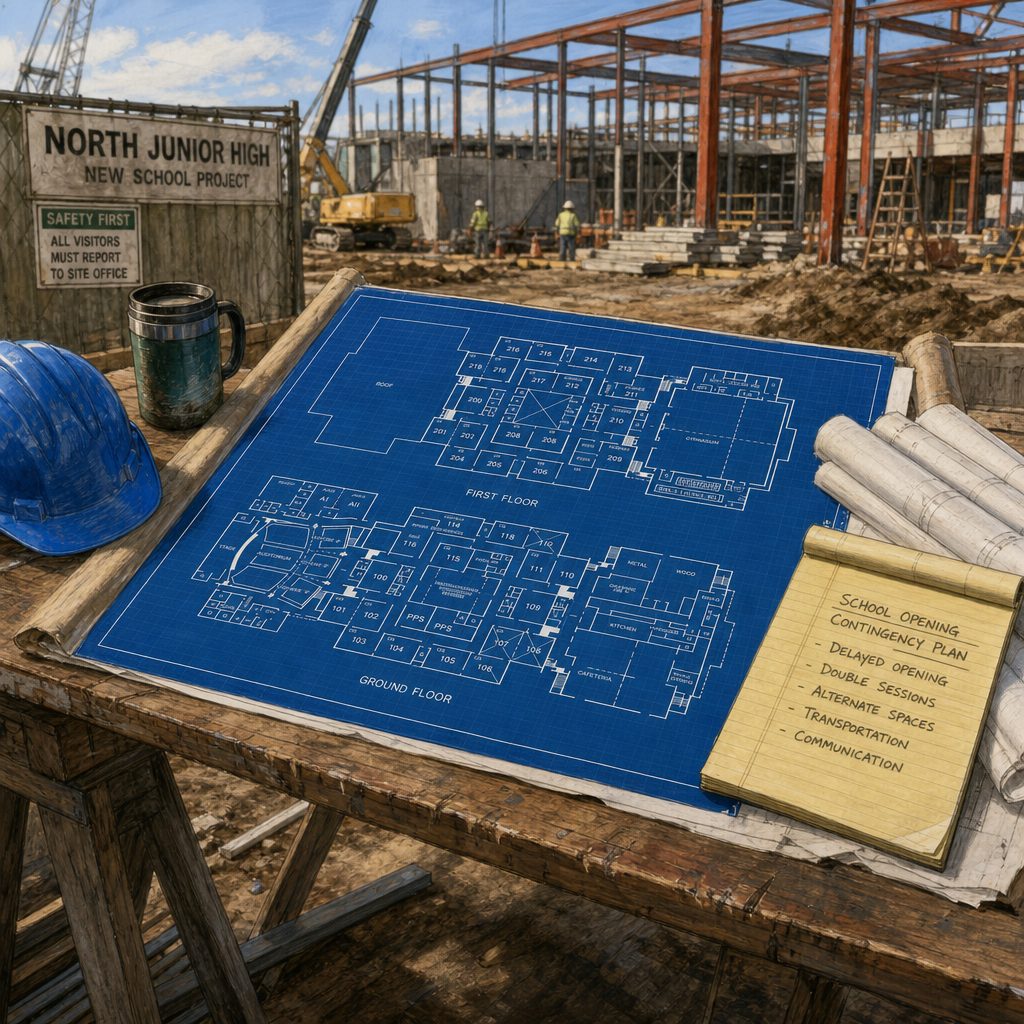
Strikes And Weather Delay North Junior High School Construction-June 17, 1969
Superintendent Warns Of Possible Double-Session Classes If Washington Street Facility Openings Fail A steel strike at the end of last summer halted installation of metal decking for the roof and delayed the roofer. Snow and freezing weather further hampered the project before the roof could be completed at the new school site. Without a roof,…
-
School Committee Holds Open Sessions Following Executive Session Debate-September 5, 1968
School Committee Chairman John J. Cavanaugh sparks debate before opening union contract talks to the public, while Superintendent Philip O. Coakley reports improved elementary class ratios.

-
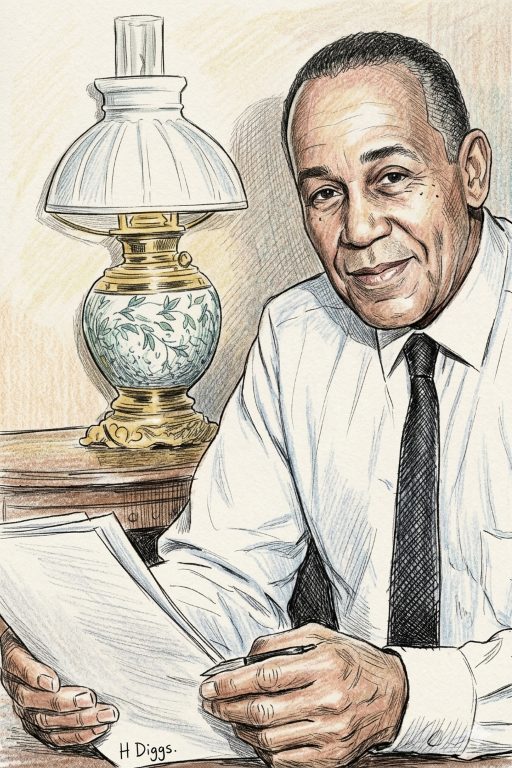
Norwood Oasis in Tension Era-June 8, 1968
Henry Diggs, Irma Diggs, Jacqueline Diggs, Judith Diggs, printer, teacher, School Committee, Boy Scouts, Girl Scout Council, Norwood Junior High School, Metco, Norwood Ministerial Ass., Springfield College, Lesley College, physical education teacher, substitute teacher, politics, schools, elections, local history, jun-8, 1968, 1960s
-
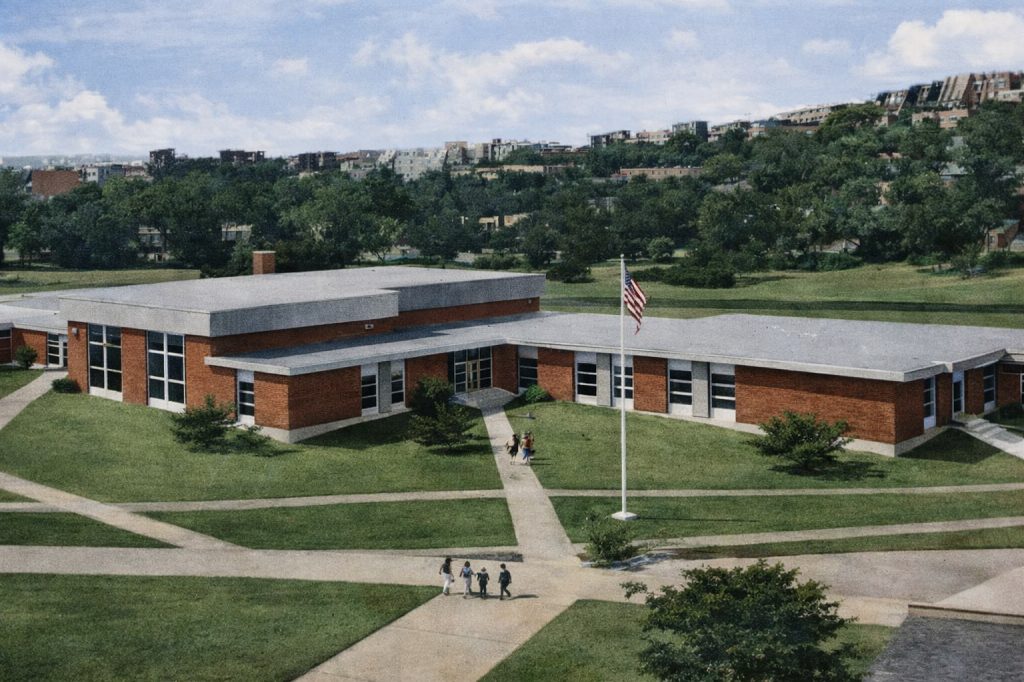
Is Norwood’s Willett School Crowded Before It Opens?-June 8, 1968
On the eve of its grand opening, a newly constructed neighborhood school faces immediate scrutiny over surging class size projections and miscalculated local birth rates.
-
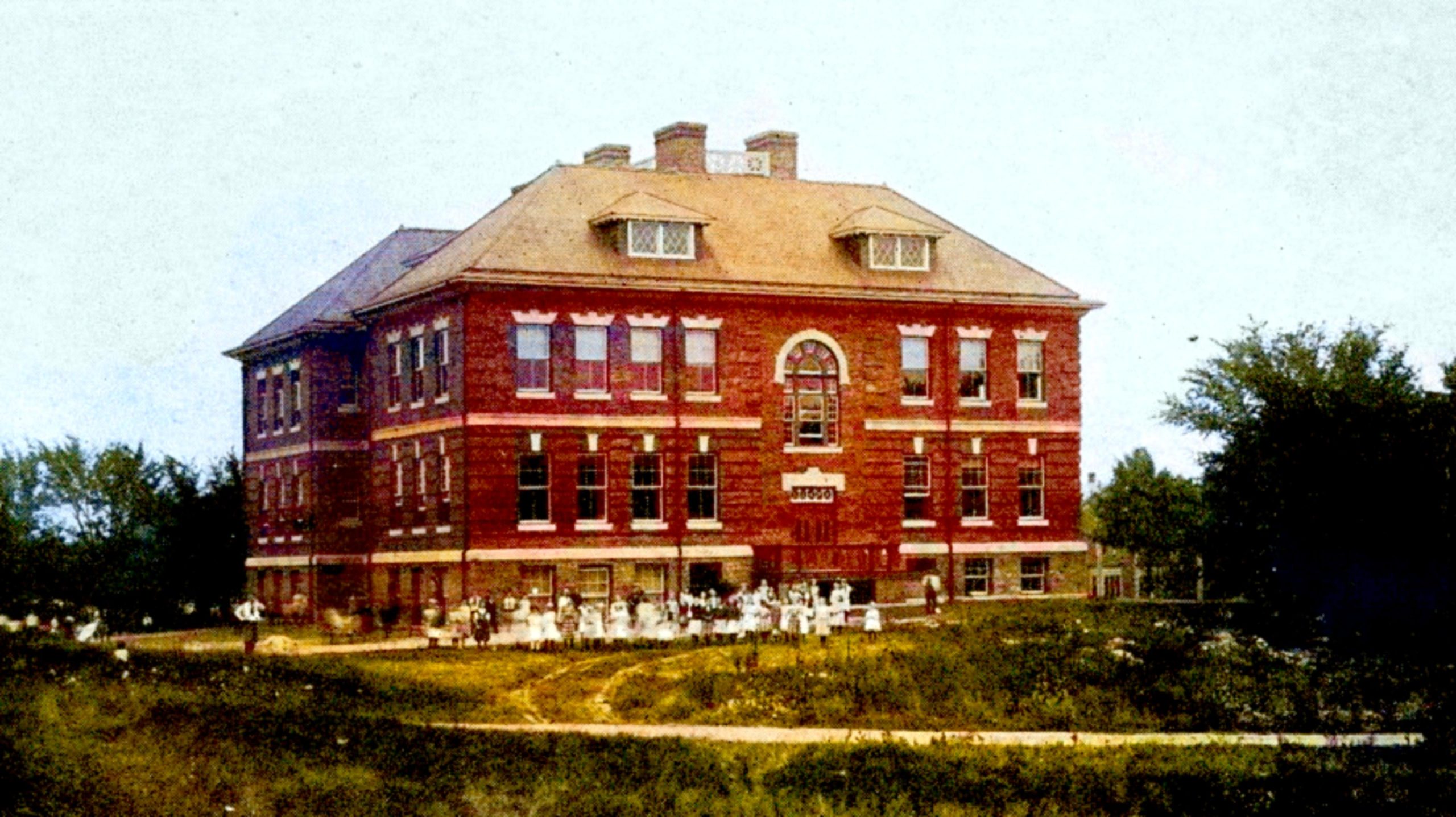
Winslow School PTA President Criticizes “Cellar Classrooms”, Lack of Facilities-October 5, 1967
Winslow School PTA President Edmund G. Linehan criticizes cellar classrooms and missing gym facilities at a School Committee meeting addressing budget shortfalls and teacher talks.
-
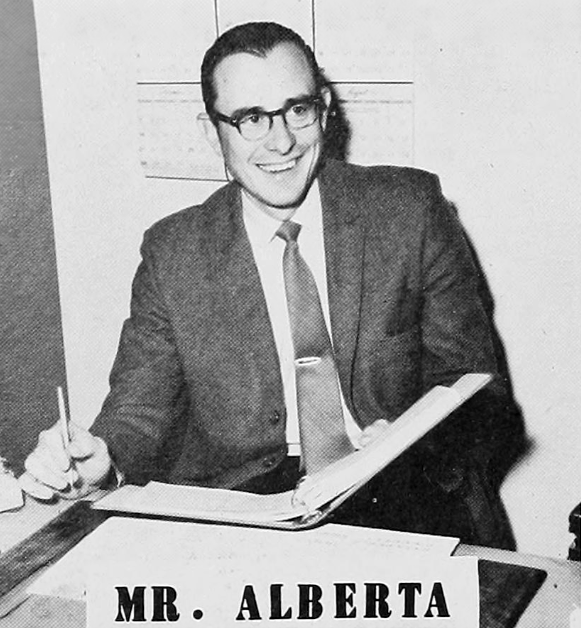
Paul M. Alberta Appointed Music Director and Richard Talanian Named Cleveland Vice-Principal-September 16, 1966
Norwood School Committee appoints Paul M. Alberta as new public schools music director and Richard Talanian, Jr. as Cleveland School vice-principal.
-
Norwood Renews Search For High School Principal-June 25, 1964
Officials plan to evaluate past candidates and request recommendations from Boston area colleges while Vice Principal John Mombouquette prepares for interim leadership.
Discover more from Norwood Historical Society
Subscribe to get the latest posts sent to your email.