
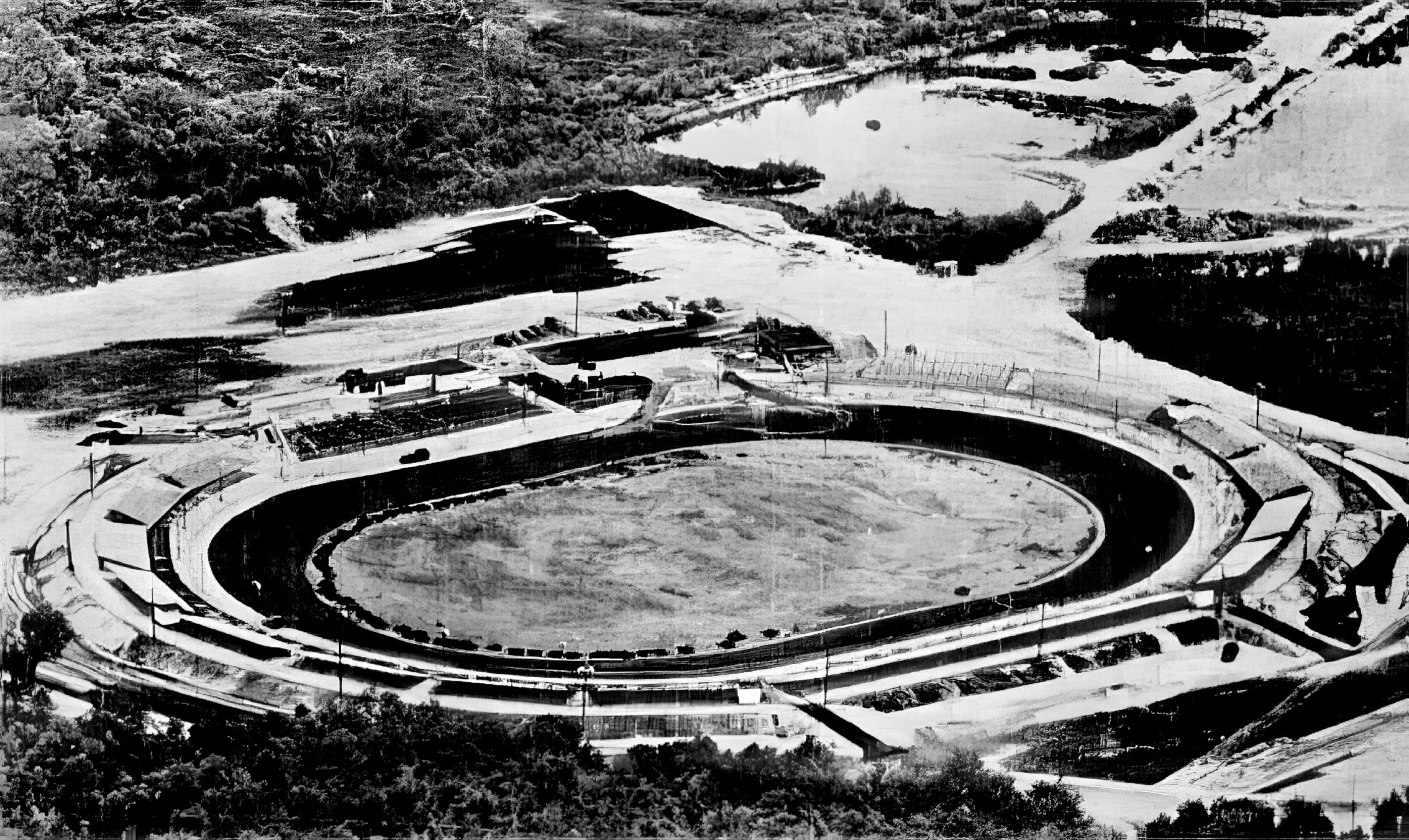
Zuker Acquires Controlling Interest and Blocks Developer Ben Sack
A major turning point has arrived for the iconic Norwood Arena. Following a successful corporate acquisition of controlling shares by longtime stockholder Mr. Zuker, the turbulent era of stock car racing at the Route 1 oval appears to be drawing to a close.
Zuker’s buyout successfully blocked a competing $1.5 million purchase attempt by Boston theater magnate and development tycoon Ben Sack. Sack had previously submitted a $5,000 check as a partial down payment, but his bid was rejected because it imposed restrictive financial requirements on the corporation beyond its existing liabilities, leaving Zuker and his remaining shareholders to assume full financial responsibility.
Backed by business associate Eli Ames of Brookline, Zuker purchased shares at $11 apiece. Total costs to acquire the remaining 82,000 outstanding shares were projected at approximately $900,000, with smaller blocks bought outright and larger blocks secured through a 10 percent down payment plan extending to August. Zuker established control by acquiring major blocks held by corporation officers Wesley Plummer, H. William Anderson, and John Peterson, prompting the minority faction—which had fought to preserve the recreational complex and stock car track—to sell their remaining 25,000 shares. Following the shift in control, Carl Merrill, the track’s director of racing and architect of local “good neighbor” reforms, resigned his post, noting in his letter that “the present management has no interest or desire to see the track maintained as a stock car operation.”
Future Development Plans and Town Relations-October 20, 1972
Attorney McLaughlin, representing ownership, noted that Zuker had not yet finalized a master blueprint but firmly intended to put the property to uses other than automobile racing. While the site technically possessed enough acreage to accommodate up to 1,200 residential apartments, McLaughlin emphasized that current light manufacturing zoning was unsuited for commercial or large-scale apartment complexes.
Rather than immediately seeking massive residential rezonings that would trigger local resistance, Zuker planned to propose a smaller-scale, attractive development within six to seven months. The strategy aimed to build community goodwill and establish a solid foundation before submitting an expanded building plan to future Town Meetings.
Archival Note: This article has been dynamically reconstructed from the original public record print archives of the Patriot Ledger
More Norwood Arena Stories
-
Norwood Scrapbook: July 31

Discover historic Norwood, MA snapshots from July 31, including 1950s Norwood Arena racing, bird-nest fires in 1963, and 1980s local clambake fundraisers.
-
Us Funds Would Help Create Trails, Recreation Areas On 90 Acres Along The Neponset-June 23, 2005
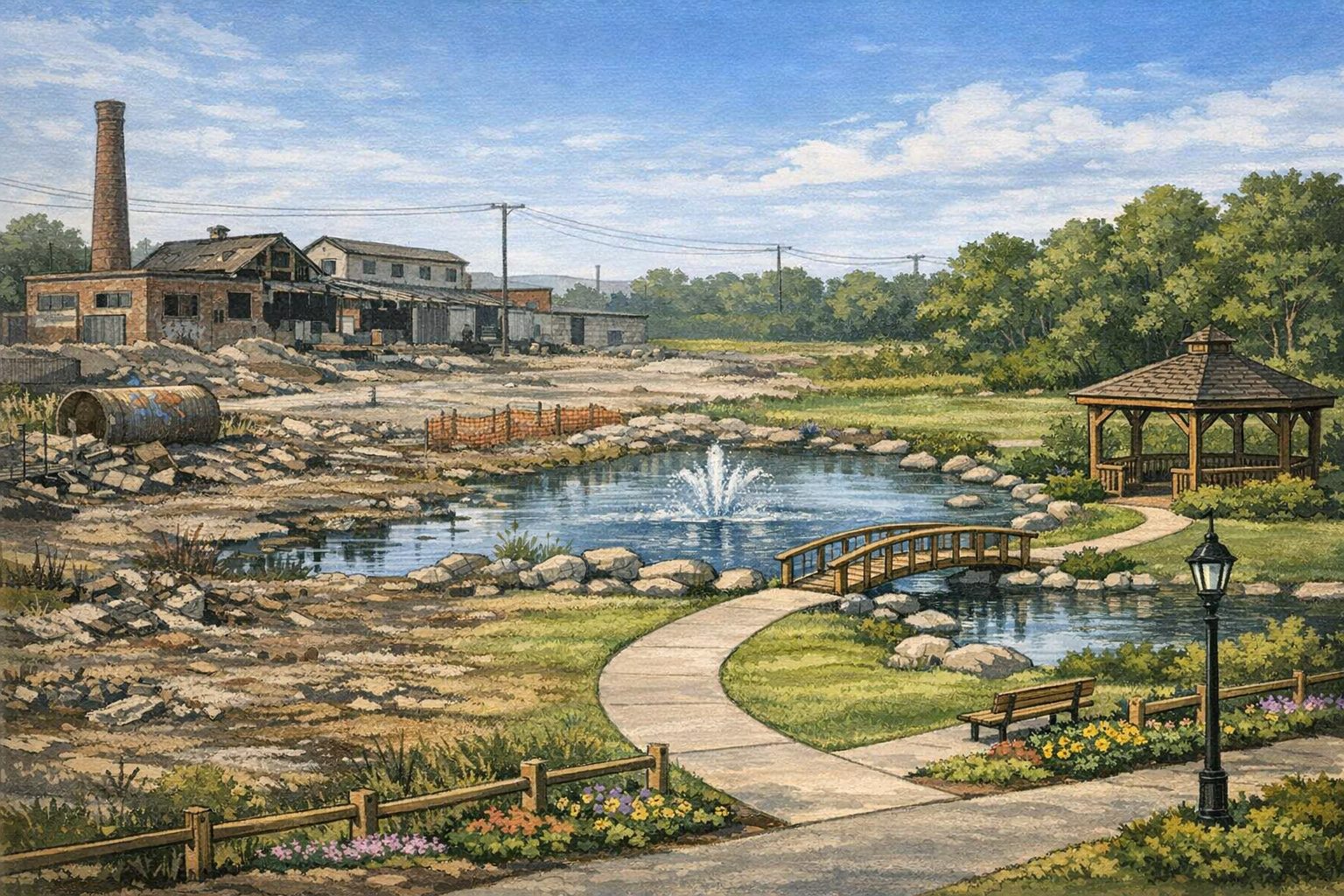
Turning a wasteland into parkland The neglected patch of grass and weeds in front of the woods and marsh at the end of Vanderbilt Avenue in Norwood hardly looks like a potential community showplace. Dense thickets of brush make walking around almost impossible. Cellphone towers, high tension wires, and low-slung industrial buildings dominate the landscape.…
-
Sewer Infiltration Fixed, Opening Doors for Park Place Industrial Development-August 29, 1978
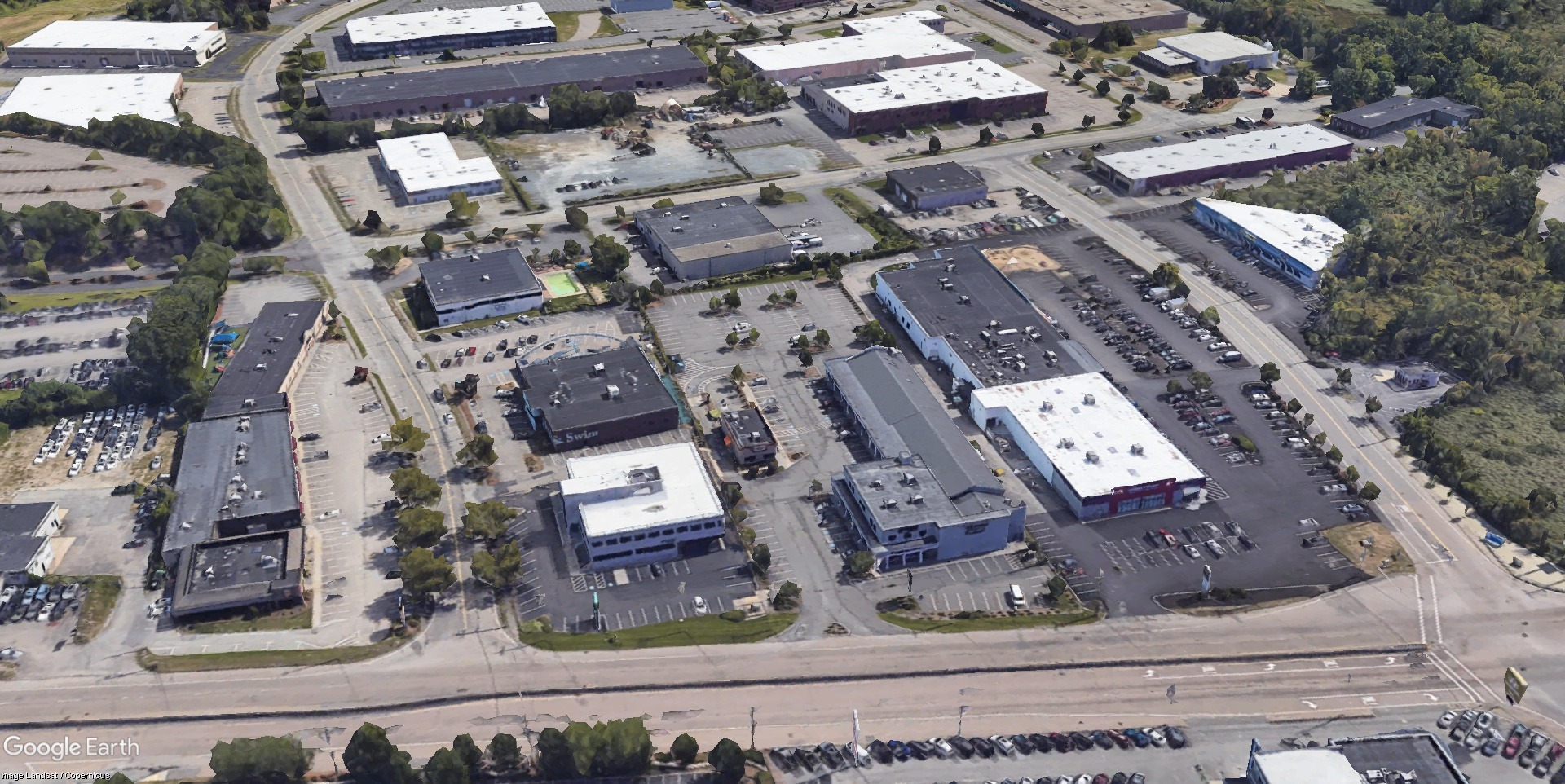
Municipal and state officials have confirmed that long-standing sewer capacity hurdles facing the Park Place Industrial Park are finally easing. According to the state Division of Water Pollution Control, the town successfully eliminated 14,000 gallons per day of extraneous groundwater infiltration leaking into the town-MDC sewer system. The breakthrough follows an enforcement action last May…
-
Park Place Occupancy Permits-July 25, 1978
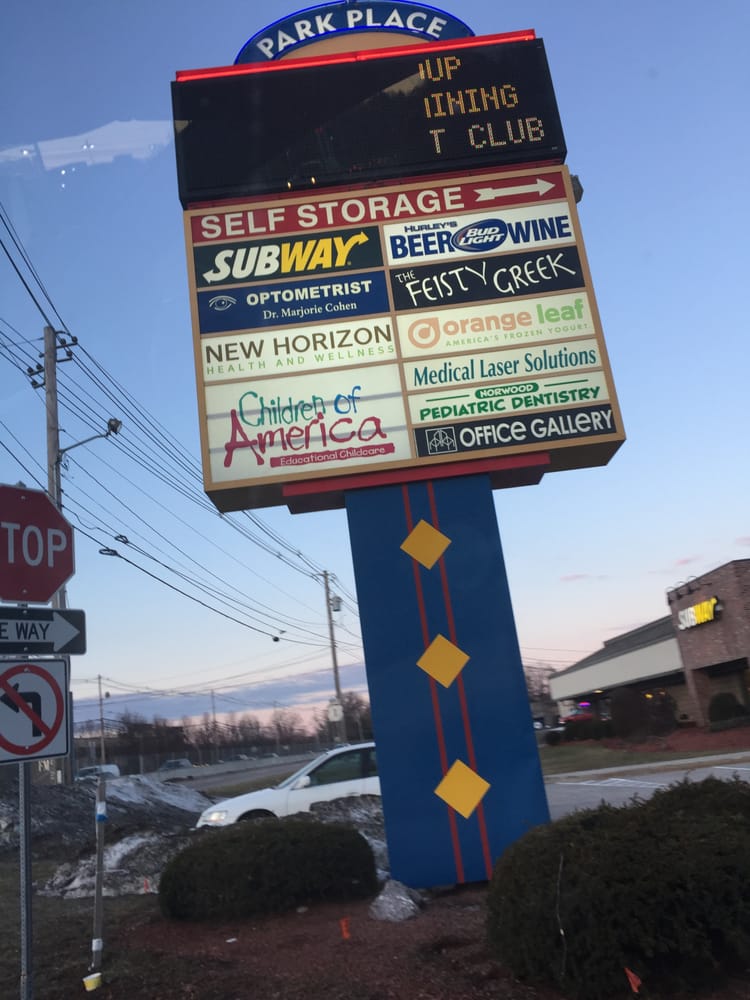
A significant development occurred in the stalled Park Place industrial complex on Route 1 in Norwood. The board of health had some good news and some bad news for the developer, James H Shane of MJS Realty Trust. The good news was that plans to install a leaching field and septic system for use until…
-
New Regional Title Reflects Chamber’s Growth; Shane Updates Dynamic Industrial Park Progress-June 7, 1978
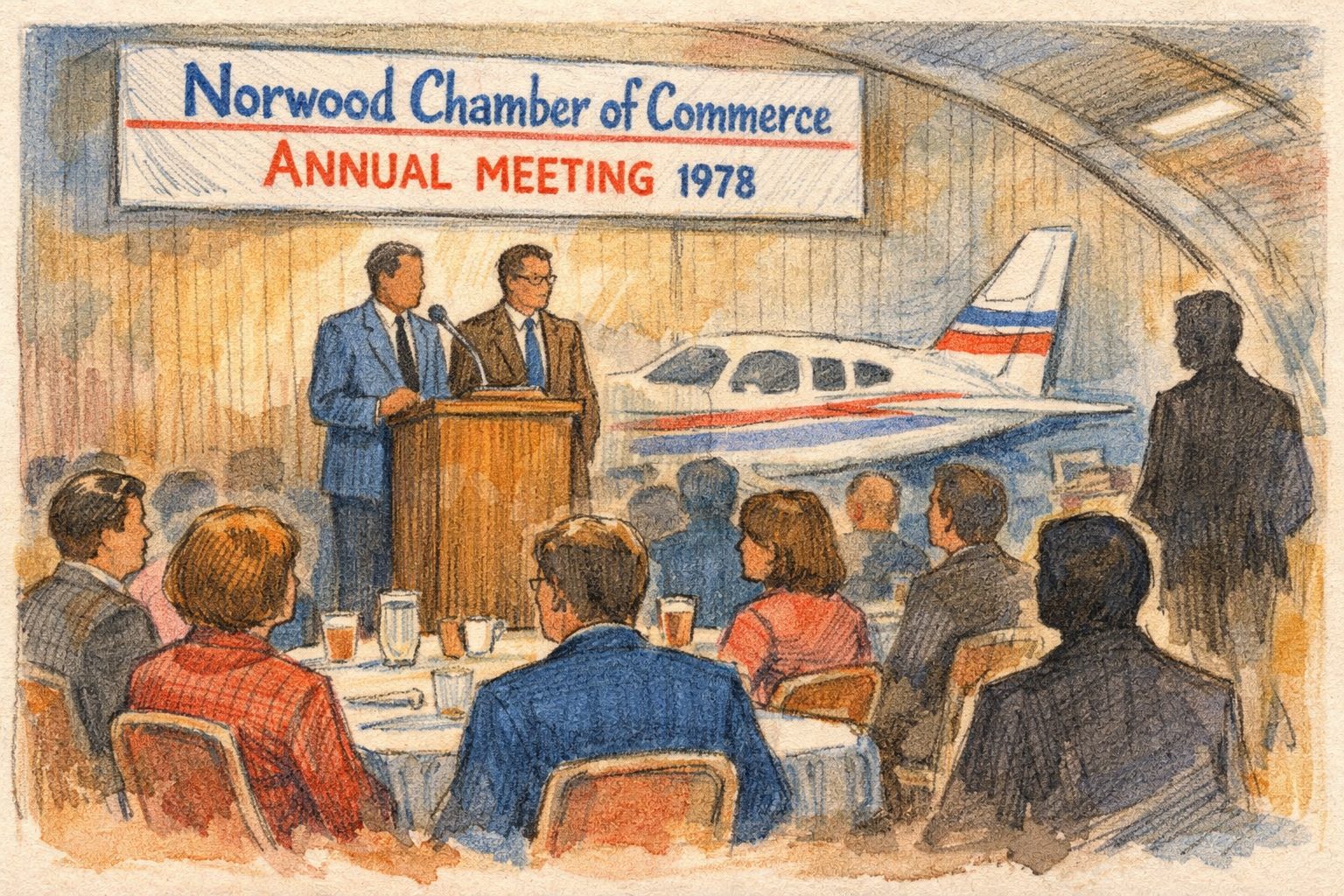
Officially, the Norwood Chamber of Commerce now will be known as the Norwood Chamber of Commerce. Chamber President William C. Phipps made reference to the new name in remarks during the meeting last night at Airport. The change in title attests to the chamber’s diverse growth in membership, chamber Executive Secretary Robert H. Cook told…
-
Talk of the Town-June 6, 1978
The Norwood Planning Board moves to claim an $18,000 construction loan from builder Richard Saccone for unfinished roads at Grandview Estates, while also endorsing a major zoning shift at the old Norwood Arena site on Route 1.
-
Planning Board Recommends Dropping Route 1 to I-95 Connecting Road for Norwood Arena “Park Place” Industrial Park-September 13, 1977
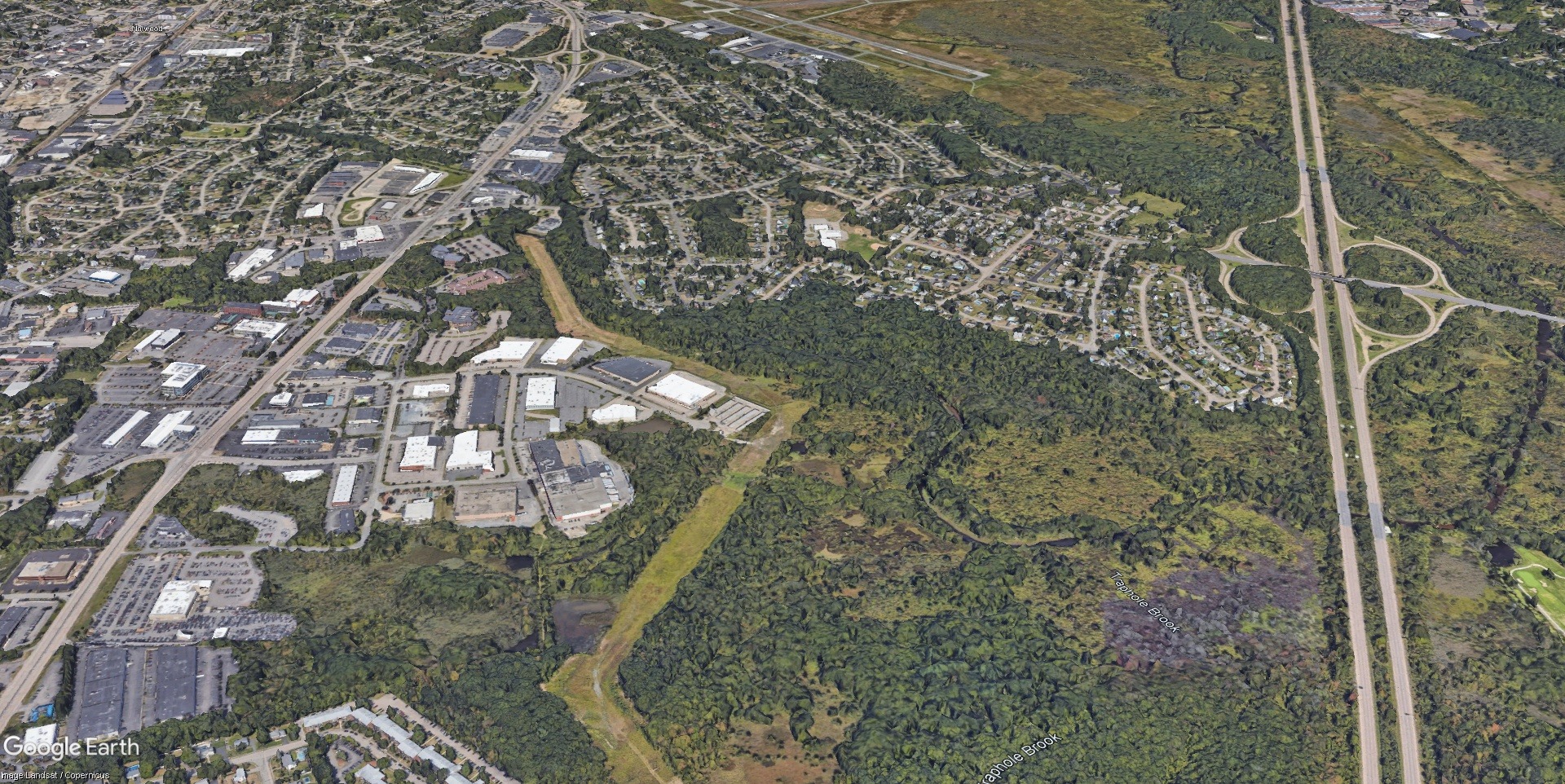
Norwood Planning Board votes to drop a proposed Route 1 to I-95 connecting road for the Norwood Arena “Park Place” industrial park following state DPW feedback.
-
Norwood Conservation Commission Approves Park Place Industrial Site-August 17, 1977
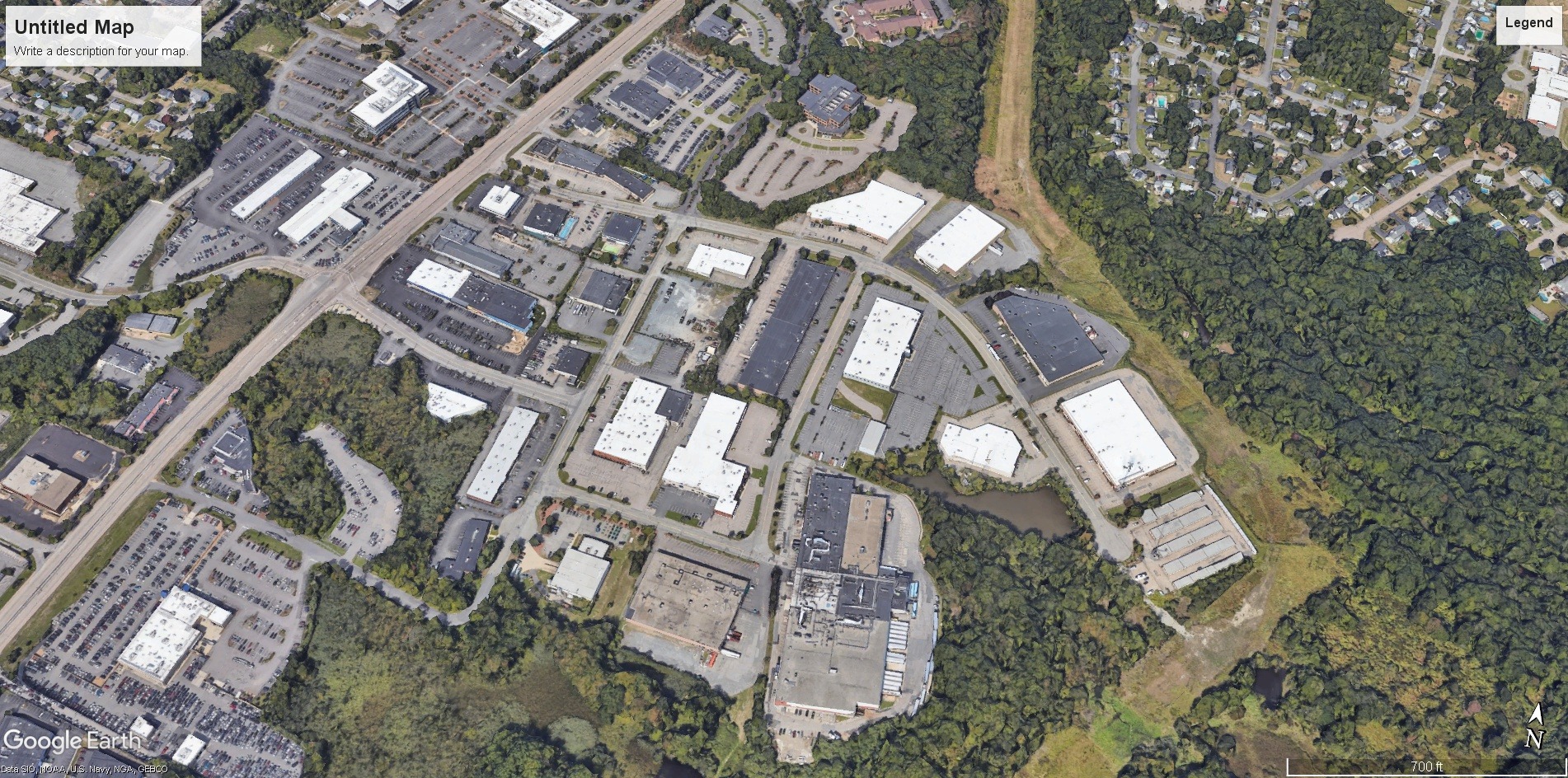
Developer James H. Shane and the Norwood Conservation Commission have agreed on a 56,000 cubic yard flood mitigation plan for Park Place on Route 1.
-
Conservation Commission Reaches Flood Control Agreement with Park Place Developer-August 17, 1977
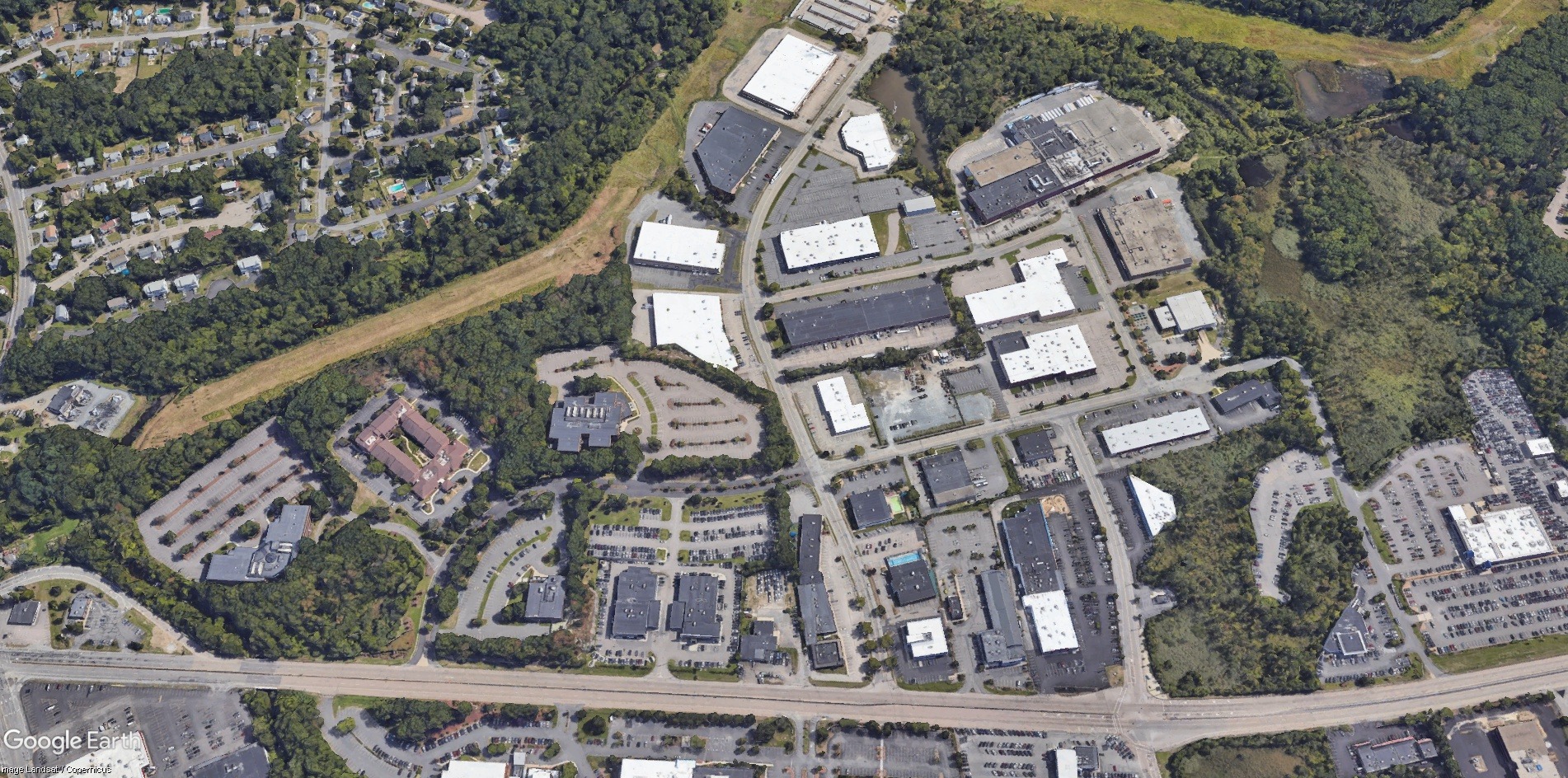
Reaching a compromise under the Wetlands Protection Act, Norwood’s conservation commission approved flood control plans for the Park Place industrial park on Route 1.
-
Walter J. Dempsey Returns to Norwood Board of Selectmen Following Compelling Electoral Victory-October 25, 1976

After back-to-back defeats in 1974 and 1975, veteran Norwood leader Walter J. Dempsey bounced back to win a seat on the Board of Selectmen, outlining a proactive municipal agenda.
Discover more from Norwood Historical Society
Subscribe to get the latest posts sent to your email.