
On a sweltering summer day in July 1971, the residents of Norwood, Massachusetts, were abuzz with concerns about air pollution.
The local newspaper, The Patriot Ledger, reported on the issuance of two citations to Bird & Son, Inc., a prominent industrial firm in the area, for violating state regulations regarding smoke and odor emissions.
The story began when members of the Citizens for Air Pollution Abatement, a group of concerned residents, approached the state Department of Public Health (DPH) with complaints about the pollution caused by Bird & Son’s color plant. The DPH, led by air pollution control engineer Al Comproni, conducted spot checks on the facility and observed firsthand the heavy smoke emissions and odor problems.
Comproni met twice with officials from Bird & Son to discuss the issues and advise them that citations would be forthcoming. However, the company claimed it was acting quickly to correct the conditions caused by a problem in the operation of the color plant. The firm’s spokesman stated that they had no knowledge of the citations, but Comproni explained that the paperwork from his office took a few days to complete, which is why the written citations had not yet been received by Bird & Son.
The citizens group was not satisfied with the company’s response and pointed out that it would take five days to complete the procedure to correct the smoke problem. They also expressed frustration that the state DPH should be more proactive in addressing pollution issues. Brownie E. Green, chairman of the citizens group, stated, “It’s up to us to call them on it. They haven’t enough manpower to check until they receive complaints.”
The recent hot spell had worsened the problem, but Green added that he felt some improvement had been made since the first of the year. However, he emphasized that the present problems were unforeseen by Bird & Son and that the company had not completely lived up to its promise to eliminate pollution.
The New London Mills plant, which was co-owned with Bird & Son, was now closed down for vacations, so the pollution problem could be pinpointed with Bird’s. Mrs. Albert Kazulis of 82 Sumner St. said she had seen some improvement up until the present problems, “but not 100 percent.” She felt that the state DPH should take a more active role in addressing pollution issues and suggested that citizens should have the right to sue polluters.
The antipollution bill passed by the state House of Representatives last week would permit citizens to sue persons or firms who violate antipollution laws. However, Mr. Green was critical of the bill, stating that it placed the burden of policing polluters on citizens. He argued that if the state says you have to get nine other people to sue a given company, then something is wrong with our government.
The story highlights the concerns and frustrations of the residents of Norwood regarding air pollution and the need for effective regulation and enforcement. The issuance of citations to Bird & Son serves as a reminder of the importance of holding industrial firms accountable for their environmental impact.
Archival Note: This article has been dynamically reconstructed from the original public record print archives of the Patriot Ledger
More…
-
Legionnaire’s Disease Case Confirmed-July 9, 1977
Discover how local medical professionals successfully identified and treated a rare case of Legionnaire’s Disease in 1977, confirming the effectiveness of erythromycin treatment.

-
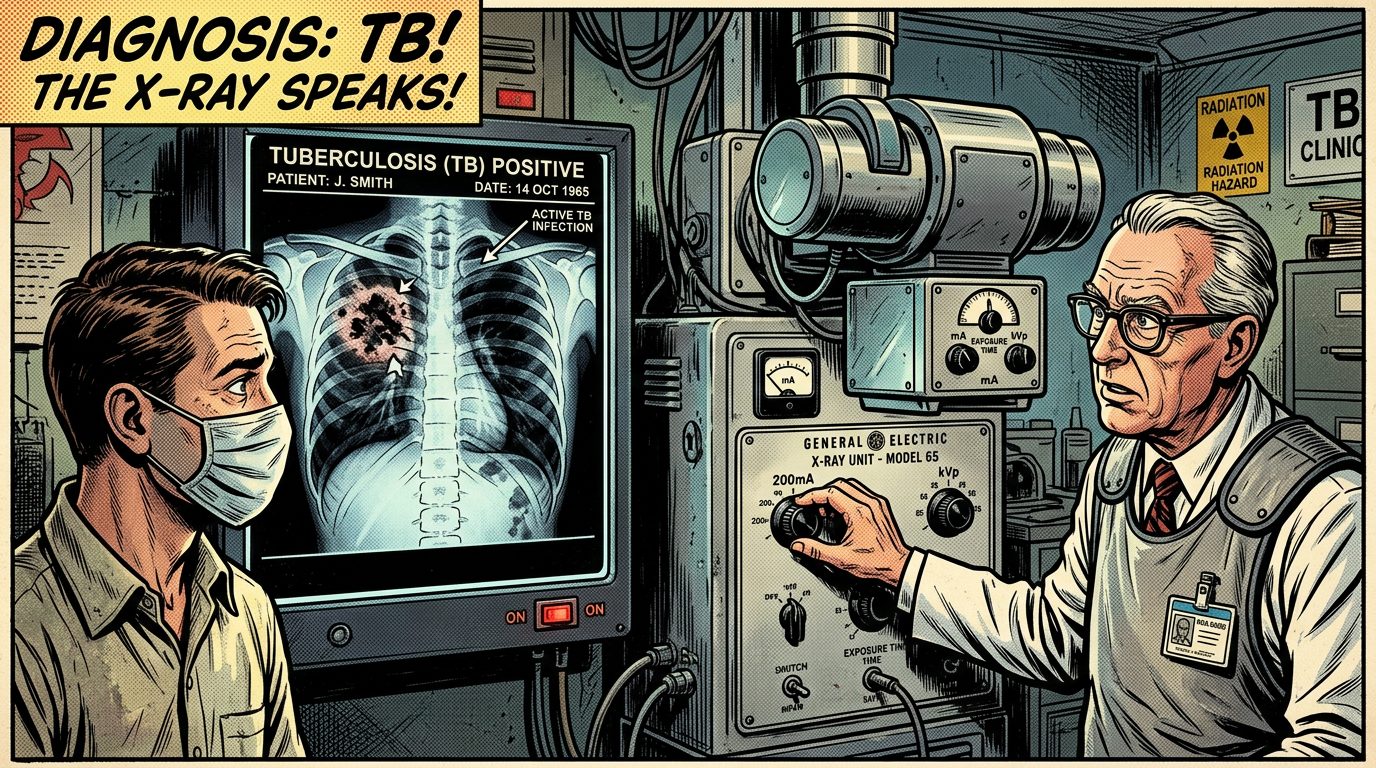
23 Positive TB Tests at High School-June 26, 1974
A massive public health sweep down at the high school tags twenty-three cases for clinical follow-up after an initial custodian exposure scare.
Discover more from Norwood Historical Society
Subscribe to get the latest posts sent to your email.