
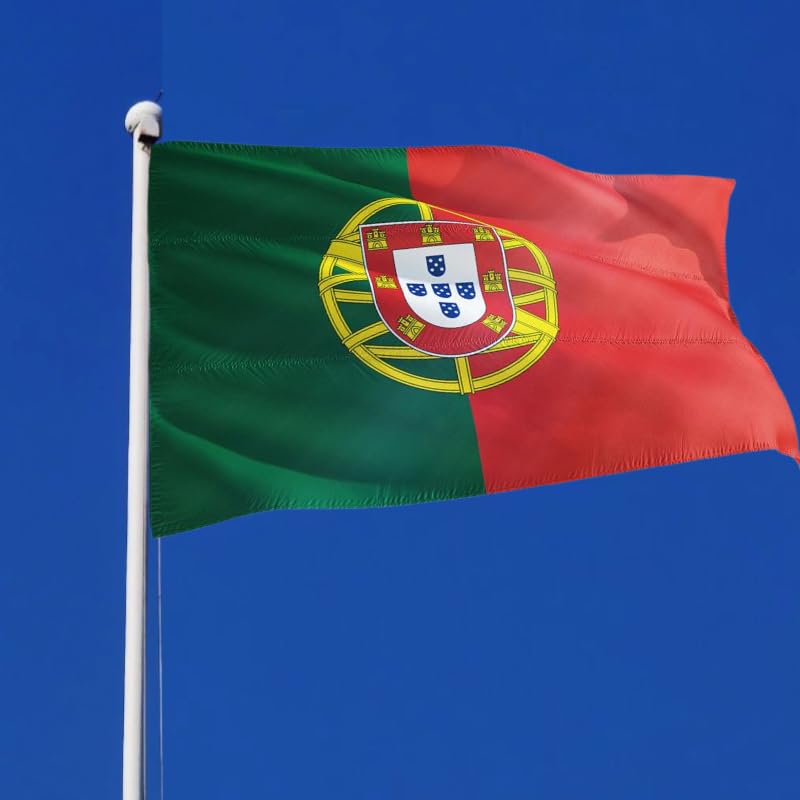
Portuguese Immigration Transforms South Norwood and the Balch School
South Norwood has long served as Norwood’s traditional melting point, welcoming successive waves of new immigrants who settled among its familiar triple-decker houses and tidy gardens. The community’s most recent newcomers are the Portuguese, whose expanding presence is visibly reshaping the student body at the Balch School, which now counts 23 Portuguese children among its pupils.
In response to this demographic shift and persistent advocacy from Portuguese families, the school department hired its first full-time bilingual teacher this year, Mrs. Diane Lawrence Callahan. The successful initiative was spearheaded by Manuel DaCosta, who thoroughly researched state education mandates. Under Massachusetts law, school districts are required to hire a full-time bilingual teacher once a minority population reaches 20 children whose limited English proficiency hinders their education.
After consulting with state Department of Education officials and seeking guidance from the Cambridge school system, DaCosta and fellow parents pressed school administrators for the staffing addition. Though he currently has no children enrolled at the Balch School, DaCosta serves as president of the Parents Advisory Council, an official organization established by parents to collaborate with school leadership.
Bilingual Education, Cultural Preservation, and the Norwood Portuguese Club
Mrs. Callahan’s students span kindergarten through an eighth grader who travels from Junior High South for specialized instruction. “They are all ages and all ability levels,” Callahan noted. “Some are non-English speaking while some have limited English.” The program provides foundational instruction in Portuguese while teaching English as a second language, with the ultimate goal of full classroom integration within three years, according to Pupil Personnel Services Director Rod Smith.
While eager for their children to assimilate, parents remain deeply committed to preserving their cultural heritage. Mrs. Callahan shared an anecdote about a mother who worried when her first grader learned English so quickly that communication at home began to falter. DaCosta added that some parents have even requested formal school-based Portuguese classes so American-born children maintain fluency in case families eventually return to Portugal.
To foster community ties, local men founded the Norwood Portuguese Club three years ago as an outgrowth of a local soccer team. Operating out of a storefront on Washington Street with roughly 50 members, the club serves primarily as a social hub—playing cards, watching television, screening Portuguese films, and acting as a vital communication center for school meetings.
Broadening Multilingual Support Across Norwood Schools
Mrs. Callahan, who grew up in Cumberland, Rhode Island, and did not speak English until age 10, understands her students’ initial shyness and self-consciousness firsthand. “They speak out in my class. They’re all in the same boat,” she observed. She expressed hope that Portuguese might eventually be offered as a formal foreign language alongside French, German, and Spanish at Norwood High School.
Beyond the Balch School, the district also employs bilingual tutor Mrs. Rose Peckham, who travels across eight schools to support Italian, Greek, Spanish, and Vietnamese students. Peckham noted that a growing Italian community may soon warrant its own dedicated full-time instructor. Balch Principal Andrew Ciarletta warmly embraces the school’s diverse cultural fabric, reflecting, “After all, I grew up in the three-deckers myself.”
Archival Note: This article has been dynamically reconstructed from the original public record print archives of the Patriot Ledger
-
St James Avenue to St George Avenue
South Norwood Photo Studio —1 St James Avenue (now gone) John Klukas was one of two photographers who operated photo studios in South Norwood. Alexander Lapinsky had a studio around the corner at 1084 Washington. Many of Norwood’s immigrant population liked to have their pictures taken, as it was an affordable way to memorial important…
-
Oolah Avenue to St. James Avenue
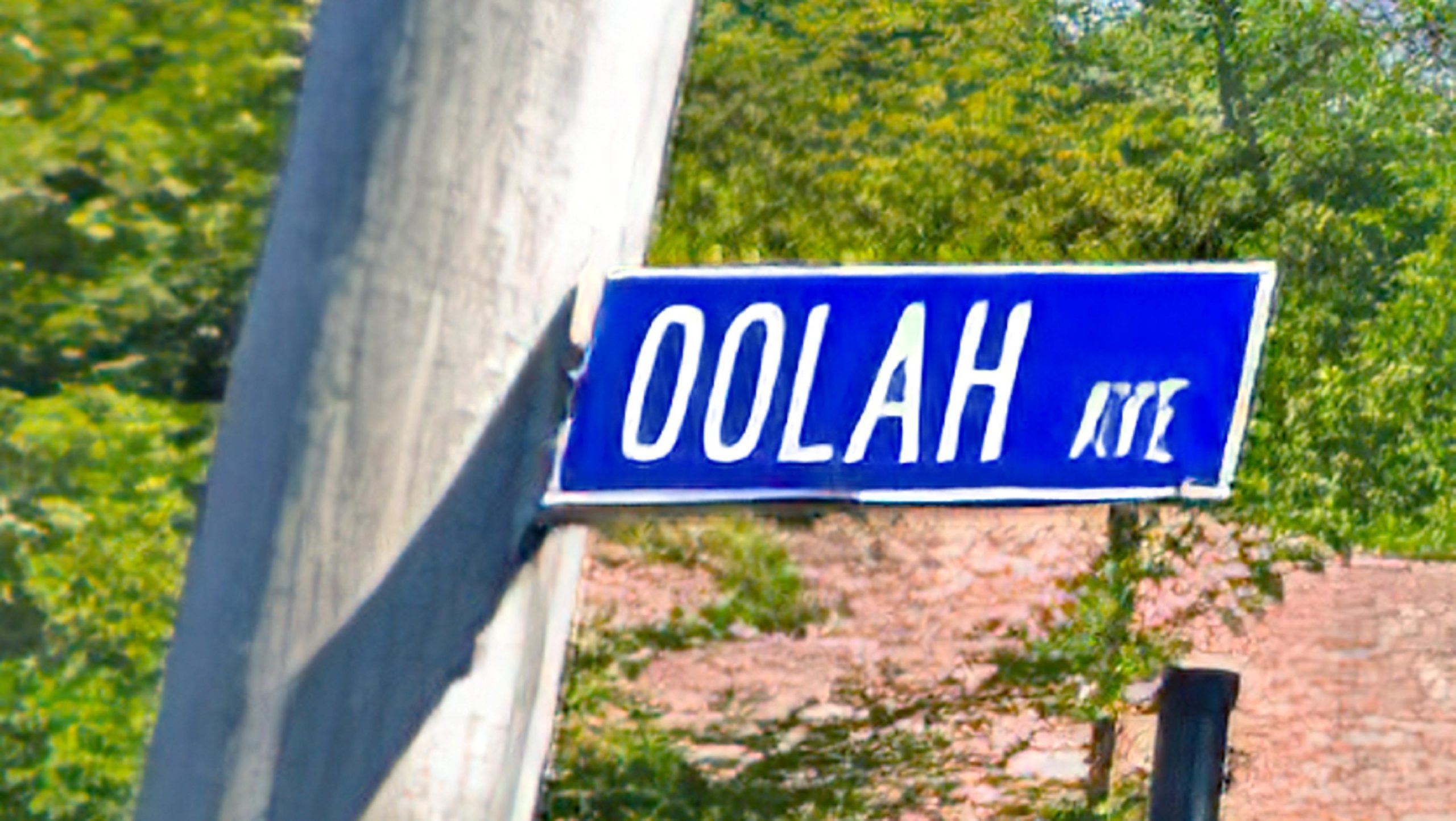
Oolah Avenue Named after the Abdallahs – “Oolah” is Syrian for Nicholas. Over the years, this street has been the home to waves of immigrants – Irish, Polish, Lithuanian, Italian, Portuguese, Brazilian, Egyptian, and Ecuadorian called this street home. At one time, Matt Drummey lived here and was known for the cellos he made by…
-
Dean Street to Oolah Avenue
Temple Shaare Tefilah – 935 Washington Street Although this building is located about a quarter of a mile north of Dean Street, it was an important place for many of South Norwood’s Jewish population. In 1908, seventeen Jewish families purchased a Torah and organized this temple. Initially they did not have a building of their…
-
Norwood’s Polish Immigrants
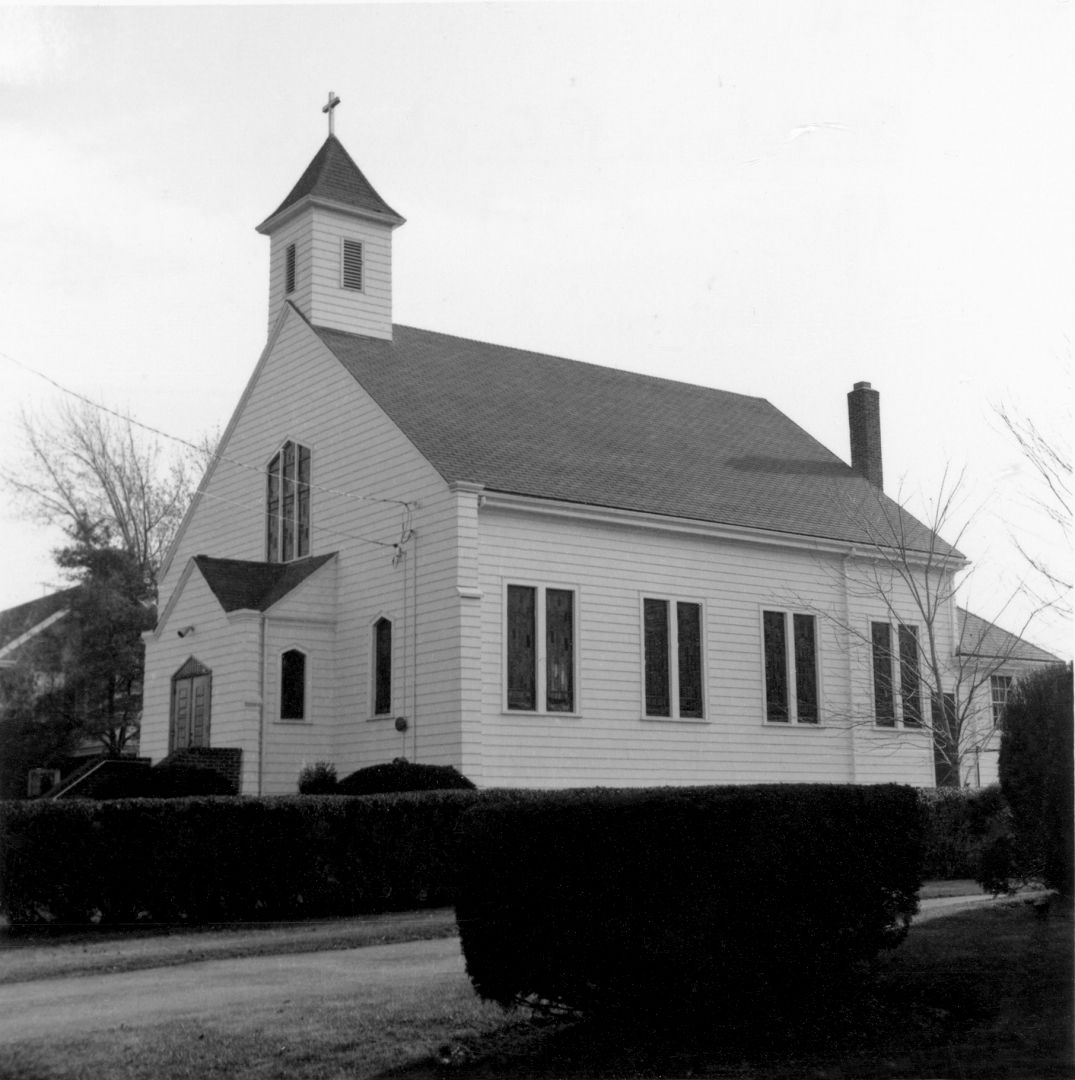
The Polish share much of their history and culture with the Lithuanians. Their long connection started in 1386 Lithuania’s Grand Duke Jogaila married Queen Jadwiga, of the Kingdom of Poland, then in 1569, the Polish-Lithuanian Commonwealth was formally formed. This Commonwealth was initially known for its ethnic diversity as well as religious freedom, but as…
-
Norwood’s Italian Immigrants

In over forty years, between 1880 and 1920 over four million Italians began arriving in The United States, many coming from the poor agricultural towns located in Mezzogiorno region (the “boot” area). Those who came to Boston settled in the North End. As early as 1905, Italian immigrants were settling in South Norwood. Like the…
-
Norwood’s Lebanese-Syrian Immigrants
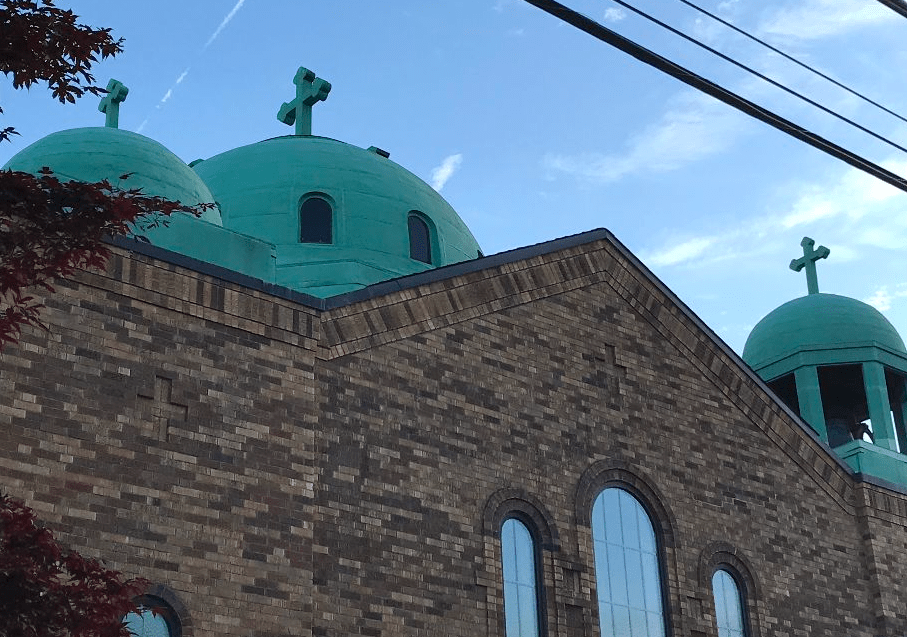
Syrians had been arriving in Massachusetts since the late 1880s. Many came from what is today, the countries of Lebanon and Syria, and these immigrants were mostly Christian. Traditionally, this area was a largely agricultural region. They settled in Boston where they found work as peddlers, lace makers, and in many of the area’s manufacturing…
-
Norwood’s Lithuanian Immigrants
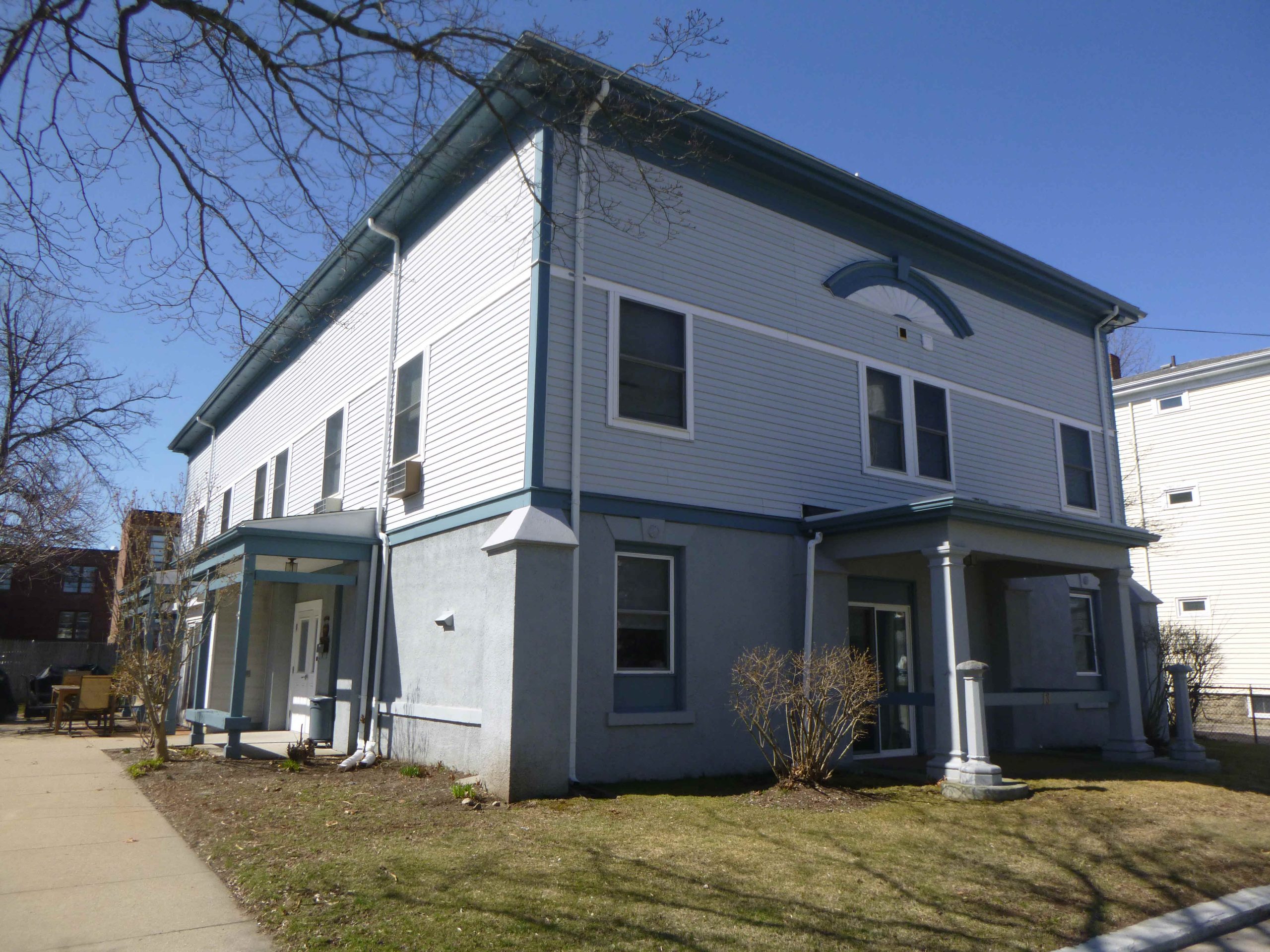
The history of Lithuania is long and complicated, but it needs to be understood as its roots illustrate when and why Lithuanians came to the United States. In 1795, The Polish-Lithuanian Commonwealth fell and was incorporated into Russia. The Commonwealth, which was made up of the Kingdom of Poland and the Grand Duchy of Lithuania,…
-
Norwood’s Portuguese Immigrants

The Portuguese began arriving in Massachusetts in the late 1800s, many coming from fishing villages in the Azores. They created Portuguese communities in Boston and Cambridge. In the late 1950s, Portuguese immigrants began settling in South Norwood, many finding homes in some of the triple-deckers in the area, but most arrived in the early 1970s.…
Discover more from Norwood Historical Society
Subscribe to get the latest posts sent to your email.