
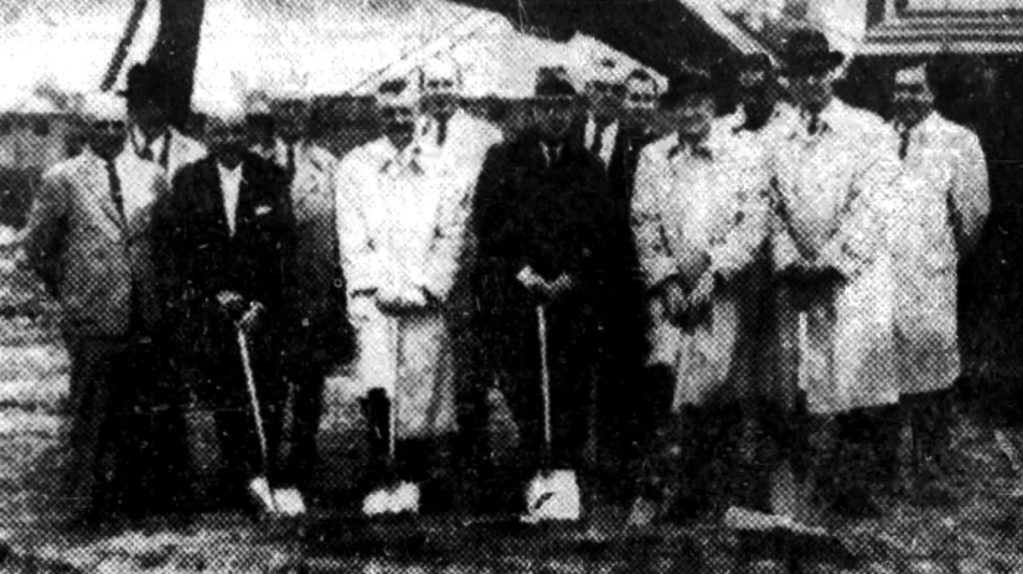
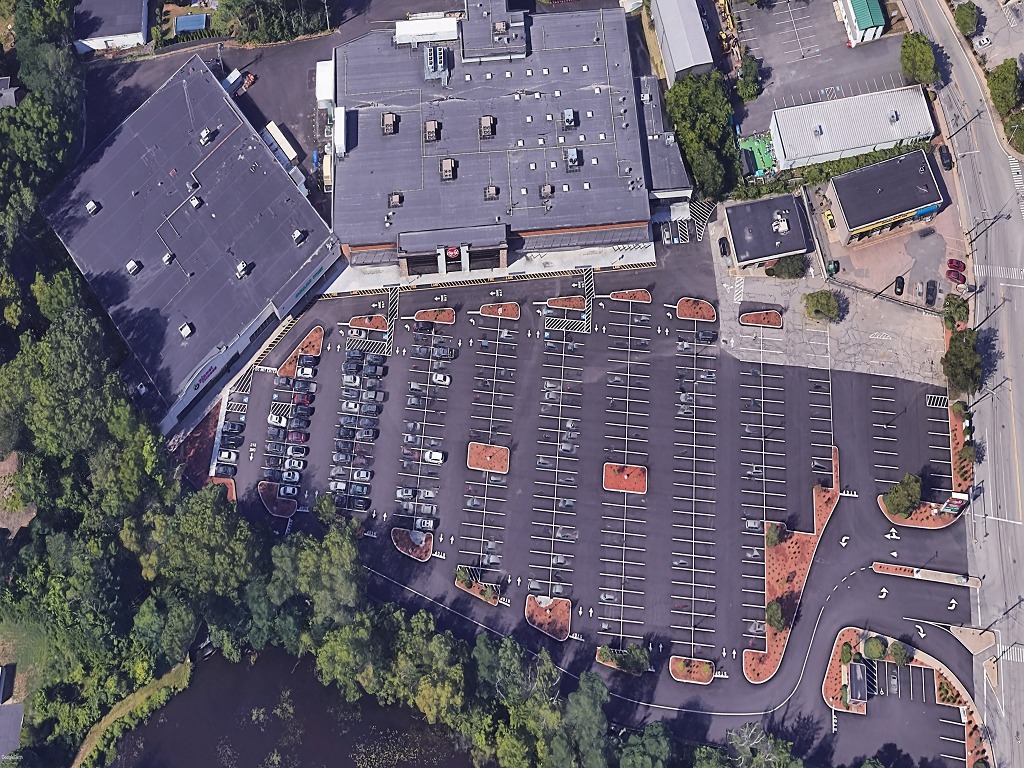
On May 22, 1960, a crowd of civic, business, and government leaders gathered beneath a bright late‑spring sky at the Norwood Shopping Center, where a ceremonial shovel of earth marked the beginning of a major new chapter in local retail life. The groundbreaking celebrated the start of construction on a 31,500‑square‑foot Sears, Roebuck and Co. store—an anchor that promised to reshape shopping patterns for families across Norwood and the surrounding towns.
The morning began with a breakfast at the Holiday Haven Restaurant, a popular mid‑century dining spot known for its chrome trim, Formica counters, and the smell of percolated coffee drifting through its wide windows overlooking Route 1. There, T. A. McDermott, Sears’ Boston Metropolitan retail manager, addressed the assembled guests. Wearing a crisp gray suit typical of the era’s business attire, McDermott announced that the new Norwood unit would feature more than 20,000 square feet of modern selling space, all on a single, streamlined floor.
“The new unit,” he said, “will be a complete department store, and will contain 21 complete departments.”
His words carried weight. In 1960, Sears was one of the most influential retailers in America—synonymous with affordability, reliability, and the optimism of post‑war consumer culture. For Norwood, the arrival of such a store signaled both economic confidence and a shift toward the suburban shopping experience that was rapidly redefining American life.
The new store, McDermott explained, would be modern in every detail. Its design, fixtures, and equipment would reflect the latest innovations from Sears’ 35 years of retail experience. Shoppers could expect wide aisles, bright fluorescent lighting, and clean, efficient layouts that mirrored the company’s newest stores across the country.
Among the most notable features were a six‑car service station, a garden and patio shop, full air conditioning, and a customer parking lot for approximately 700 automobiles—a scale that underscored the rising dominance of car‑centric shopping. The parking capacity alone spoke to the era’s booming automobile ownership, with tailfinned Chevrolets, Fords, and Plymouths soon to fill the lot.
McDermott emphasized the store’s role in the company’s broader growth strategy:
“The new Norwood store is an important part of the company’s expansion program. Our new store will present to shoppers of the Norwood area the company’s most recent innovations in display and merchandising procedures. Every aesthetic consideration and everything which will offer the greatest convenience to the customer has been designed into this store.”
Architectural plans were completed by the William E. Nast Co. of Boston, whose modernist approach aligned with the clean lines and functional style popular in late‑1950s commercial design. The construction contract was awarded to the Canter Construction Co., also of Boston, ensuring the project remained rooted in regional expertise.
The store was scheduled to open in late fall, promising Norwood residents a new retail destination just in time for the holiday season. For a town balancing its industrial heritage with the rising suburban landscape, the new Sears represented both continuity and change—a symbol of mid‑century progress, convenience, and the evolving rhythms of everyday life.
The Boston Globe
More Norwood Business History
-
Norwood Shoe Warehouse To Be Built-July 16, 1964
As the sun rose over the quaint town of Norwood on July 16, 1964, a sense of excitement and anticipation filled the air. The residents of this charming community were abuzz with news that Consolidated Shoe Inc., a prominent manufacturer of several renowned brands, had finally reached an agreement to construct a state-of-the-art warehouse on…

-
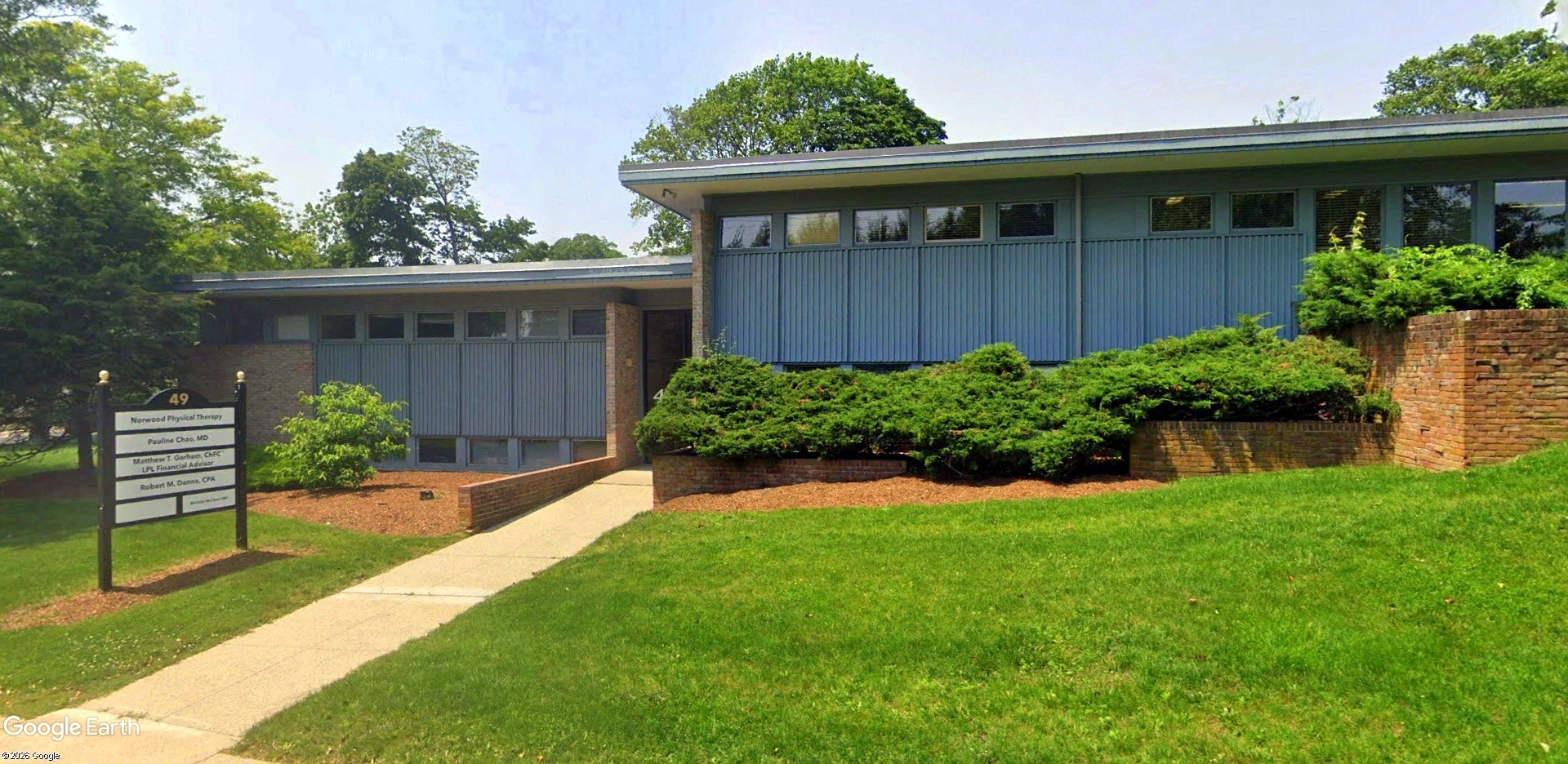
Medical Center Plans Expected-July 10, 1964
The development of a proposed medical building on Walpole Street reached a significant milestone on July 10, 1964, as organizers announced that final preliminary plans were approximately one month from completion. ⠀ Once this rough draft is finalized, the project will be handed over to an architect—who had not yet been designated as of that…
-
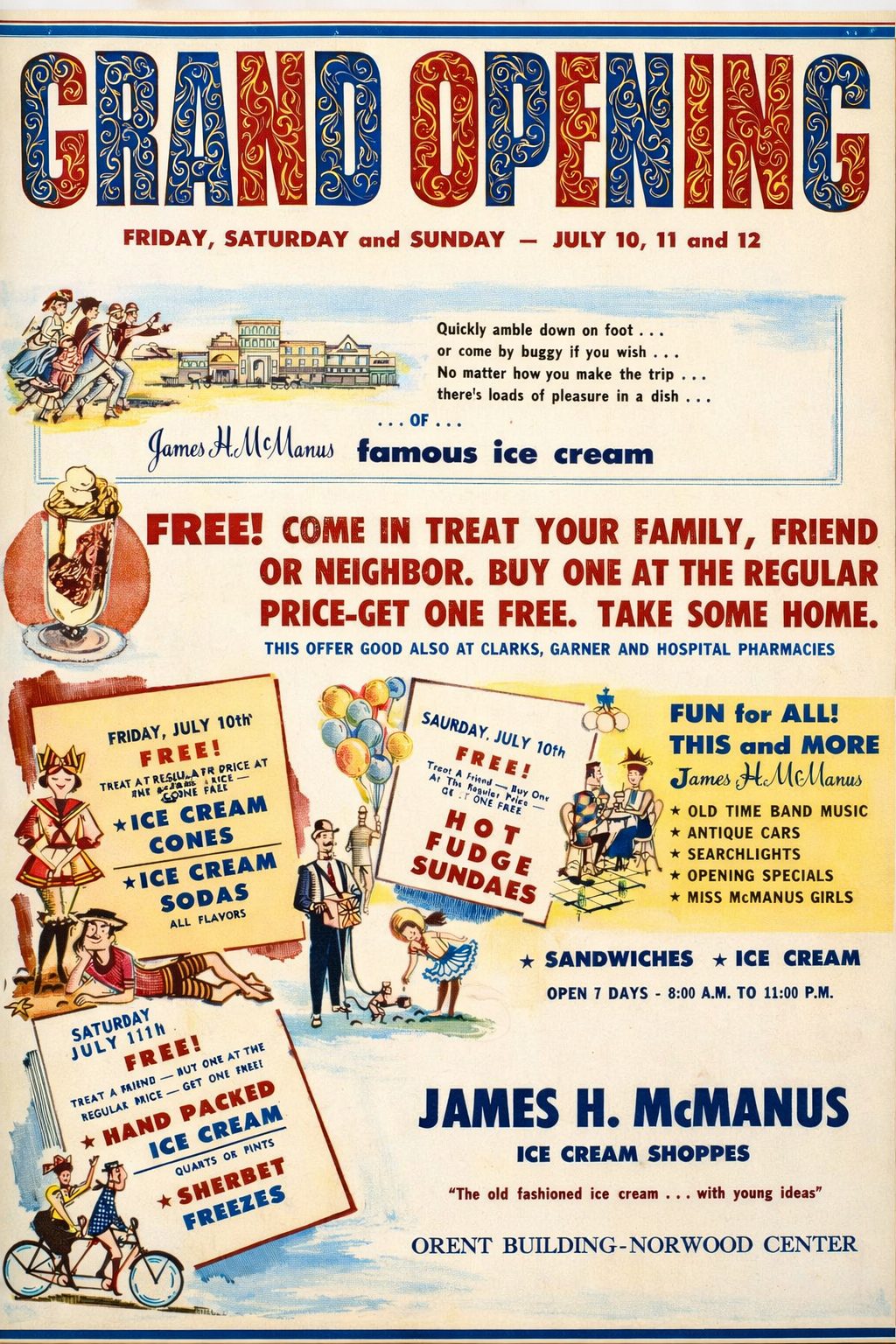
James H. McManus Ice Cream Company Opens Norwood Pilot Store-July 8, 1964
In June 1964, the James H. McManus Ice Cream Company opened a new pilot location in Norwood, featuring over 40 flavors of traditional ice cream, sherbets, and water ices.
-
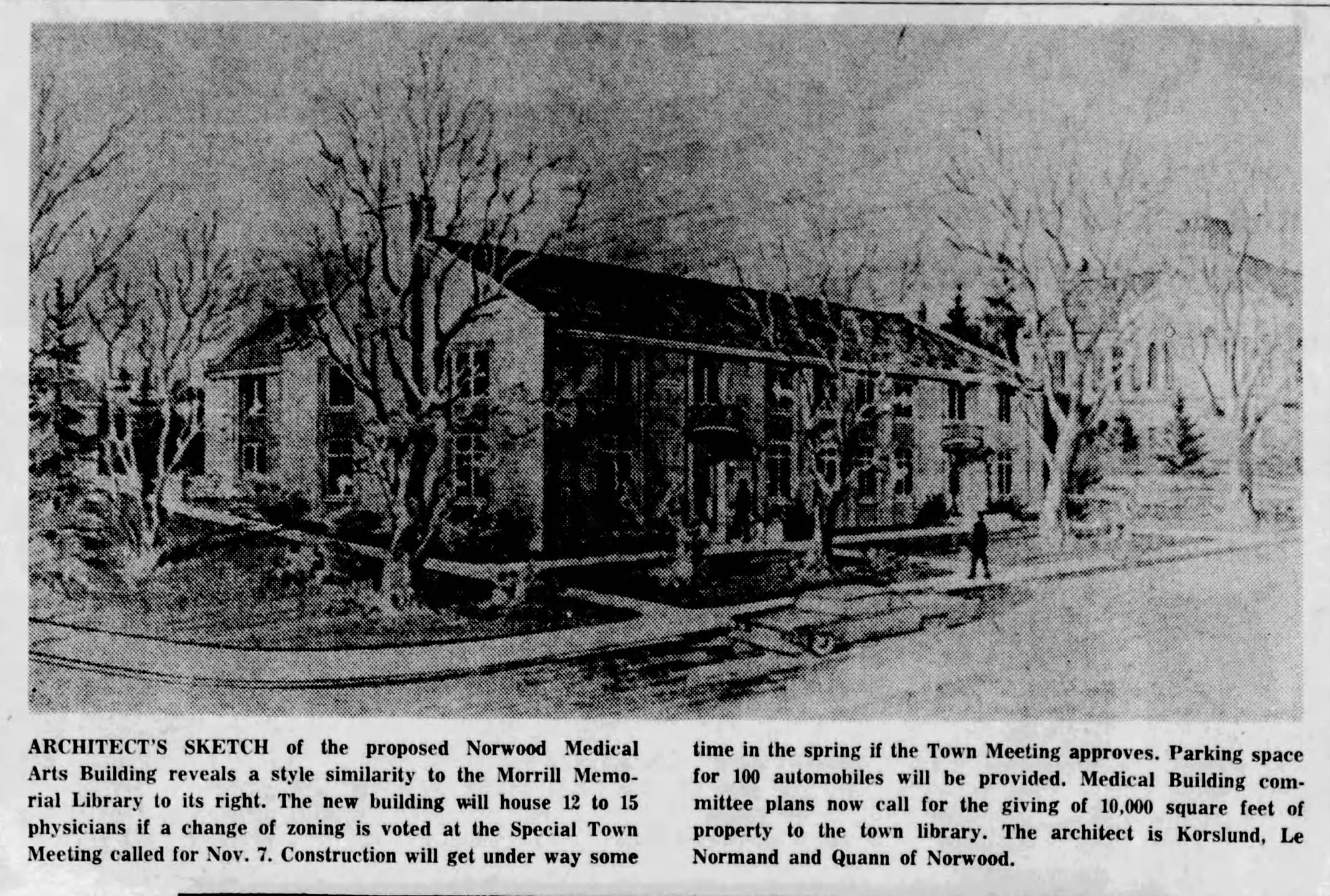
Proposed Norwood Medical Arts Building and School Committee Budget Decisions-October 31, 1963
Architectural plans were unveiled for the proposed Norwood Medical Arts Building, while the School Committee voted to release its 1964 budget and adopted a new extended sick leave policy for teachers.
-
Developer Frank R. Simoni Seeks Zoning Change for New Shopping Center Project-August 21, 1963
Developer Frank R. Simoni has petitioned the Norwood Planning Board for a zoning change on Walpole Street to construct a shopping center, prompting a public hearing set for September 9.
-
Sears, Roebuck to Build Store In Norwood Shopping Center-May 22, 1960
On May 22, 1960, a crowd of civic, business, and government leaders gathered beneath a bright late‑spring sky at the Norwood Shopping Center, where a ceremonial shovel of earth marked the beginning of a major new chapter in local retail life. The groundbreaking celebrated the start of construction on a 31,500‑square‑foot Sears, Roebuck and Co.…

-
Community News-September 15, 1955
Miss Dougherty’s dance studio prepares to open on Day Street, Norfolk County Extension sets fall workshops in Walpole, and Local 362 resumes its monthly meetings.

-
Norwood’s Thriving Business Scene-August 4, 1955
A look back at Norwood in 1955 reveals a thriving local economy filled with bustling auto dealerships like Boch Nash, popular eateries like Green Jade, and trusted neighborhood hardware stores and beauty salons.

-
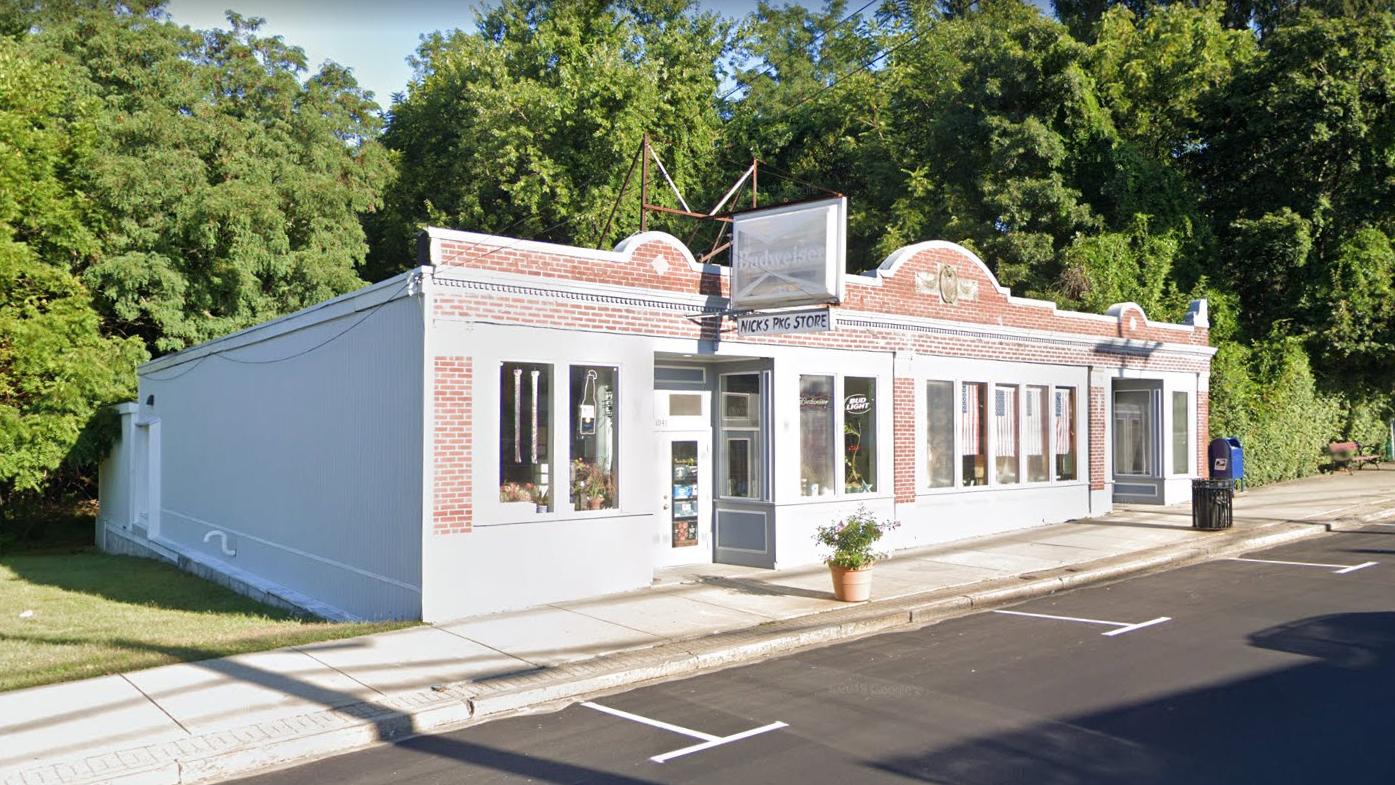
War Conditions Cause Change In South End Hardware Hours-November 6, 1942
War Conditions Cause Change In South End Hardware Hours-This Day In Norwood History-November 6, 1942
-
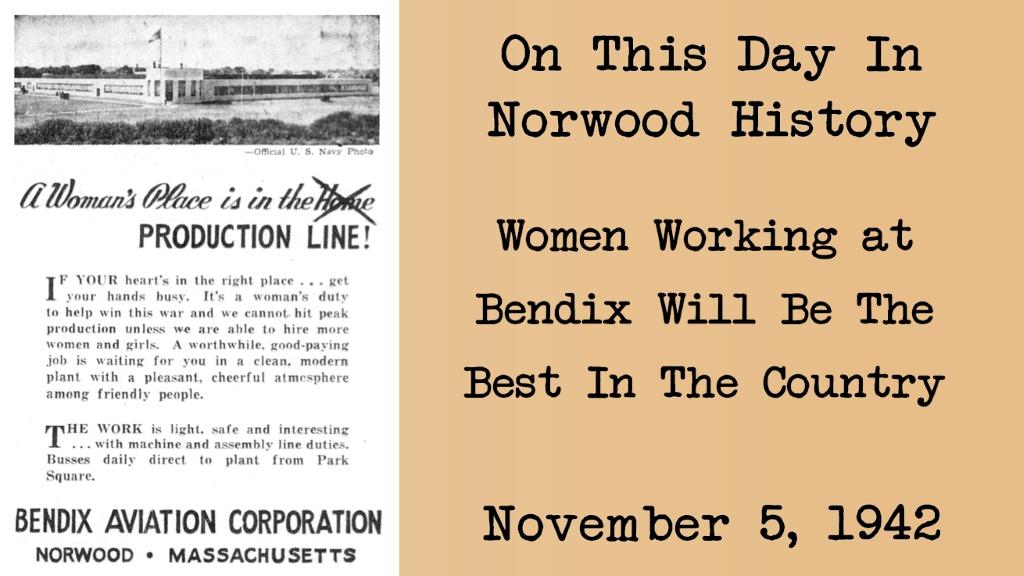
Women Working at Bendix To Be Best In Country-November 5, 1942
Women Working at Bendix To Be Best In Country-This Day In Norwood History-November 5, 1942
Discover more from Norwood Historical Society
Subscribe to get the latest posts sent to your email.