

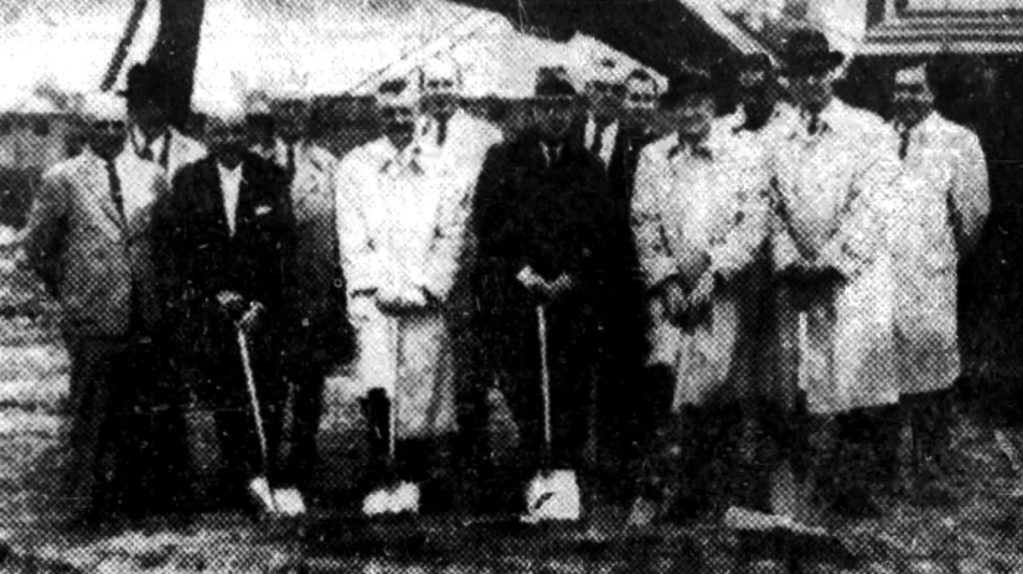
On May 22, 1960, a crowd of civic, business, and government leaders gathered beneath a bright late‑spring sky at the Norwood Shopping Center, where a ceremonial shovel of earth marked the beginning of a major new chapter in local retail life. The groundbreaking celebrated the start of construction on a 31,500‑square‑foot Sears, Roebuck and Co. store—an anchor that promised to reshape shopping patterns for families across Norwood and the surrounding towns.
The morning began with a breakfast at the Holiday Haven Restaurant, a popular mid‑century dining spot known for its chrome trim, Formica counters, and the smell of percolated coffee drifting through its wide windows overlooking Route 1. There, T. A. McDermott, Sears’ Boston Metropolitan retail manager, addressed the assembled guests. Wearing a crisp gray suit typical of the era’s business attire, McDermott announced that the new Norwood unit would feature more than 20,000 square feet of modern selling space, all on a single, streamlined floor.
“The new unit,” he said, “will be a complete department store, and will contain 21 complete departments.”
His words carried weight. In 1960, Sears was one of the most influential retailers in America—synonymous with affordability, reliability, and the optimism of post‑war consumer culture. For Norwood, the arrival of such a store signaled both economic confidence and a shift toward the suburban shopping experience that was rapidly redefining American life.
The new store, McDermott explained, would be modern in every detail. Its design, fixtures, and equipment would reflect the latest innovations from Sears’ 35 years of retail experience. Shoppers could expect wide aisles, bright fluorescent lighting, and clean, efficient layouts that mirrored the company’s newest stores across the country.
Among the most notable features were a six‑car service station, a garden and patio shop, full air conditioning, and a customer parking lot for approximately 700 automobiles—a scale that underscored the rising dominance of car‑centric shopping. The parking capacity alone spoke to the era’s booming automobile ownership, with tailfinned Chevrolets, Fords, and Plymouths soon to fill the lot.
McDermott emphasized the store’s role in the company’s broader growth strategy:
“The new Norwood store is an important part of the company’s expansion program. Our new store will present to shoppers of the Norwood area the company’s most recent innovations in display and merchandising procedures. Every aesthetic consideration and everything which will offer the greatest convenience to the customer has been designed into this store.”
Architectural plans were completed by the William E. Nast Co. of Boston, whose modernist approach aligned with the clean lines and functional style popular in late‑1950s commercial design. The construction contract was awarded to the Canter Construction Co., also of Boston, ensuring the project remained rooted in regional expertise.
The store was scheduled to open in late fall, promising Norwood residents a new retail destination just in time for the holiday season. For a town balancing its industrial heritage with the rising suburban landscape, the new Sears represented both continuity and change—a symbol of mid‑century progress, convenience, and the evolving rhythms of everyday life.
The Boston Globe
More Norwood Business History
-
New Reliance Electric Service Center-July 17, 1979
Reliance Electric, which services and repairs industrial electric motors, will move its regional service center here from South Boston on Sept. 1. The new facility in a 19,000-square-foot location in the Park Place industrial development off Route 1 will employ some 30 persons, an increase of five over current levels. The company, with headquarters in…

-
Andrew Venskus Announces Closing of 33-Year Guild Square Jewelry Store Following Armed Robbery and Shootout-September 13, 1978
Andrew Venskus announces the permanent closure of Venskus Jewelers in Guild Square after 33 years following a violent armed robbery and shootout.
-
Norwood Park Place Industrial Park Advances-September 12, 1978
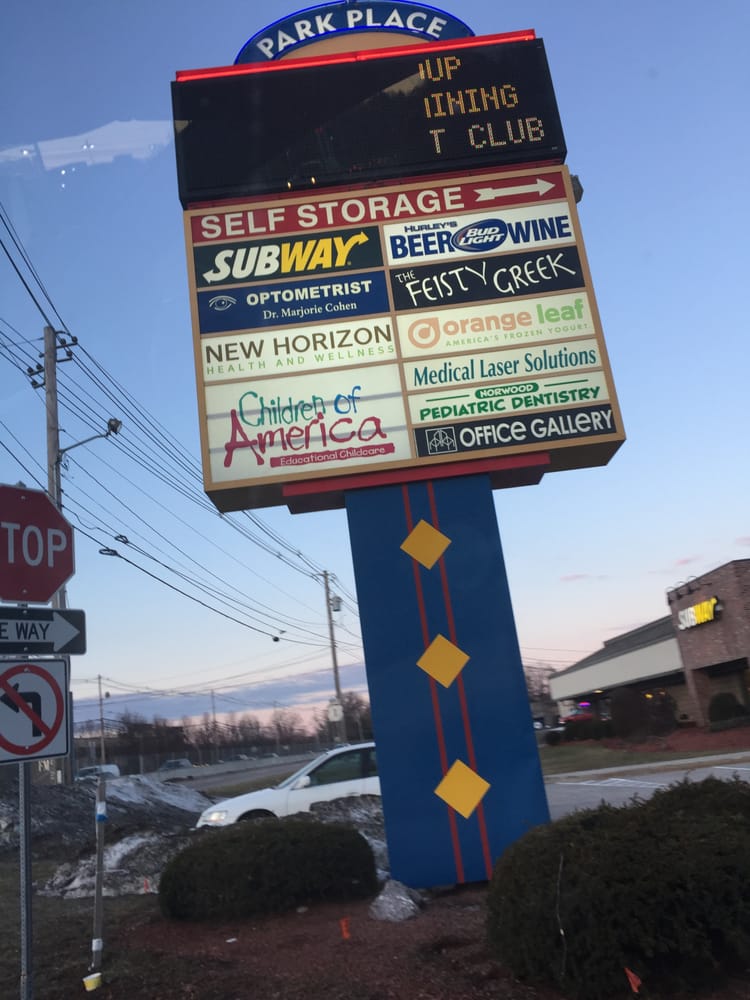
Norwood Planning Board releases $50,000 in performance bonding for the Park Place industrial park on Route 1 as roadway and building construction progresses.
-
Plans Unveiled to Revitalize Norwood Central Business District with Traffic Improvements-September 12, 1978
Consultants unveil a revitalization plan for Norwood’s central business district featuring traffic modifications, pedestrian amenities, and parking optimization.

-
Analog Devices Plans Major World Headquarters Expansion Into New 33-Acre Norwood Industrial Park-August 23, 1978
Computer equipment giant Analog Devices plans a 50,000-square-foot headquarters facility in a new 33-acre Route 1 industrial park, pending state and local sewer connection approvals.

-
Selectmen Support Park Place Industrial Park Owner in Seeking Temporary Portable Toilet Approval-August 9, 1978
Selectmen backed Park Place Industrial Park owner James H. Shane in seeking Board of Health reconsideration for temporary portable toilets amid sewer connection delays.

-
John Shalbey Jr. Proposes Office Building Behind Ro-Jo Car Wash-August 9, 1978
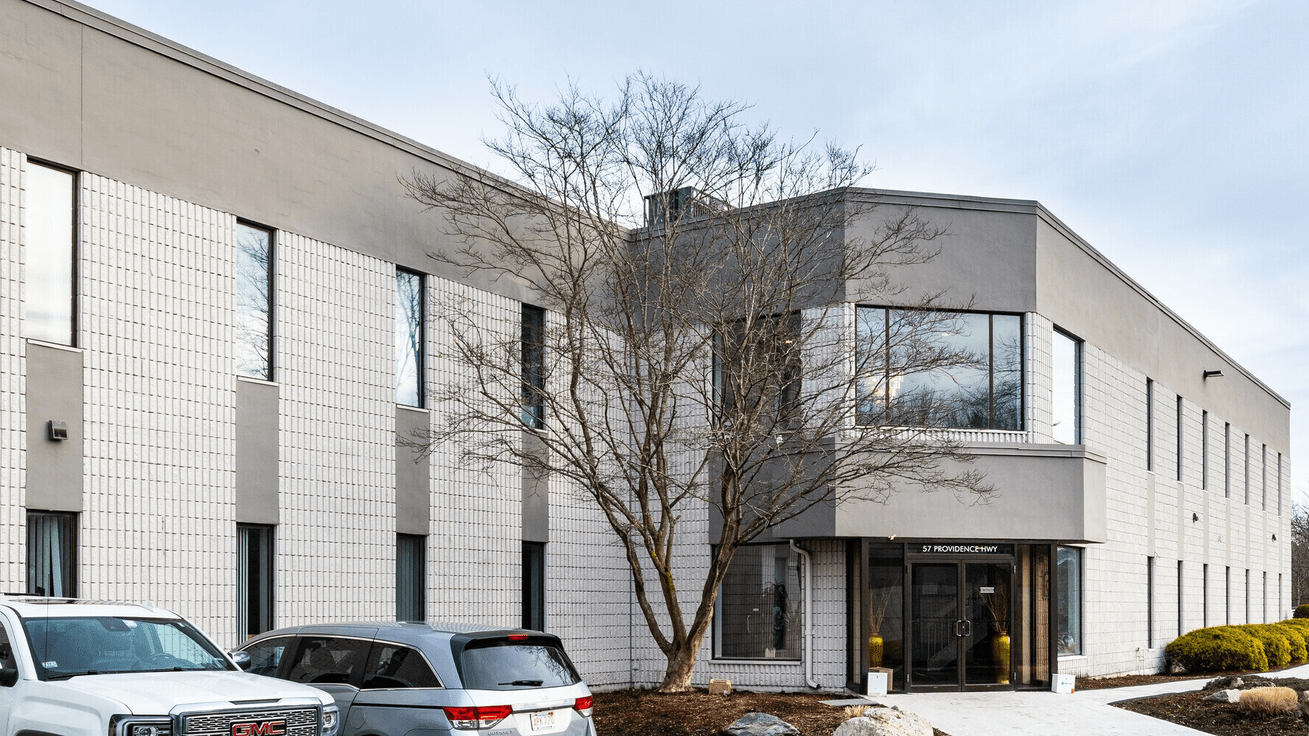
Local businessman John Shalbey Jr. faced mixed reactions from David Terrace residents while seeking a zoning variance for an office building behind his Route 1 car wash.
-
South End Hardware: A Landmark Institution-July 5, 1978
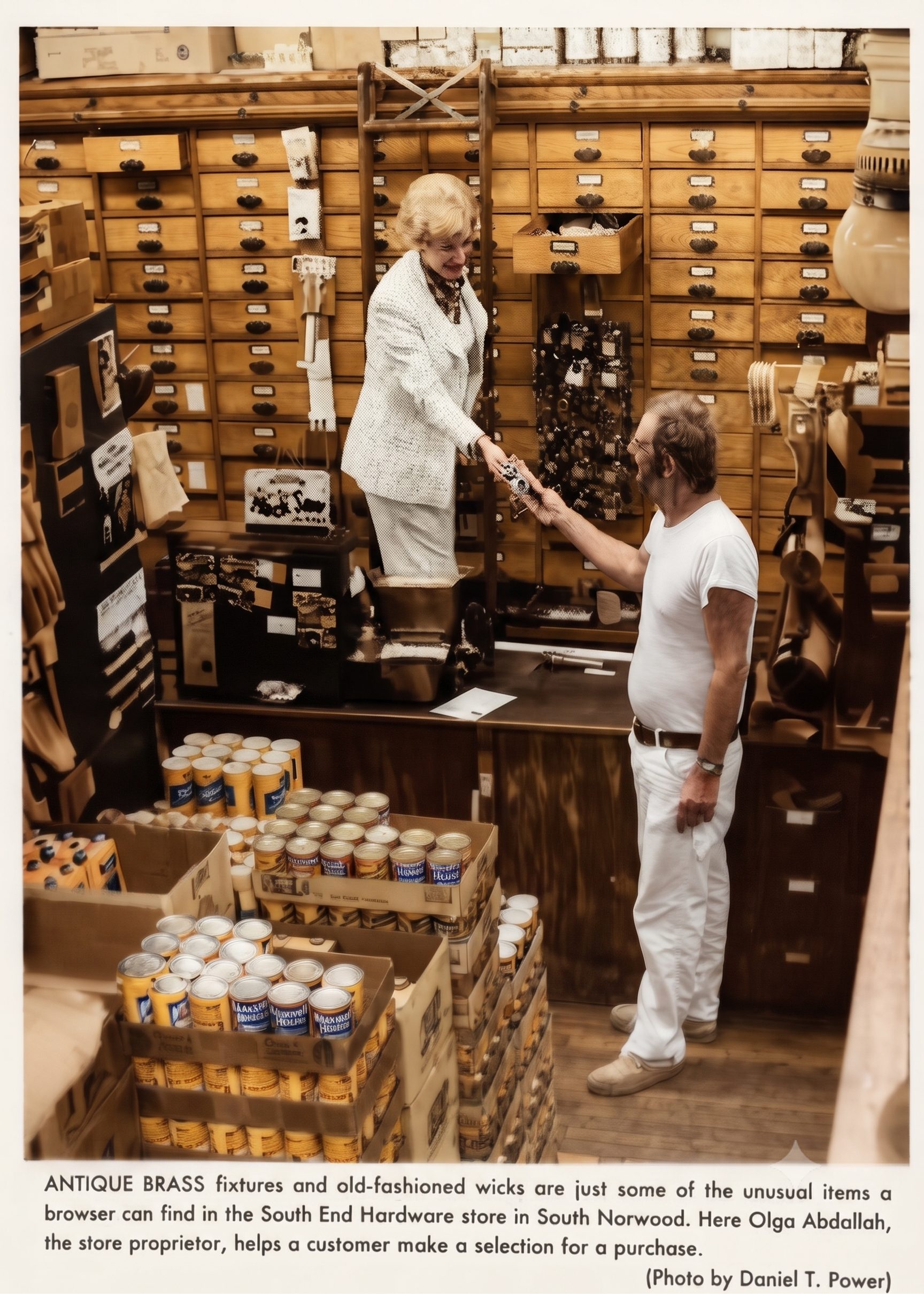
In 1978, the Abdallah family’s South End Hardware in South Norwood stood as a testament to four generations of community service and local history.
-
LaRosa Brothers Step Down from The Village Inn after 15 Years-June 7, 1978
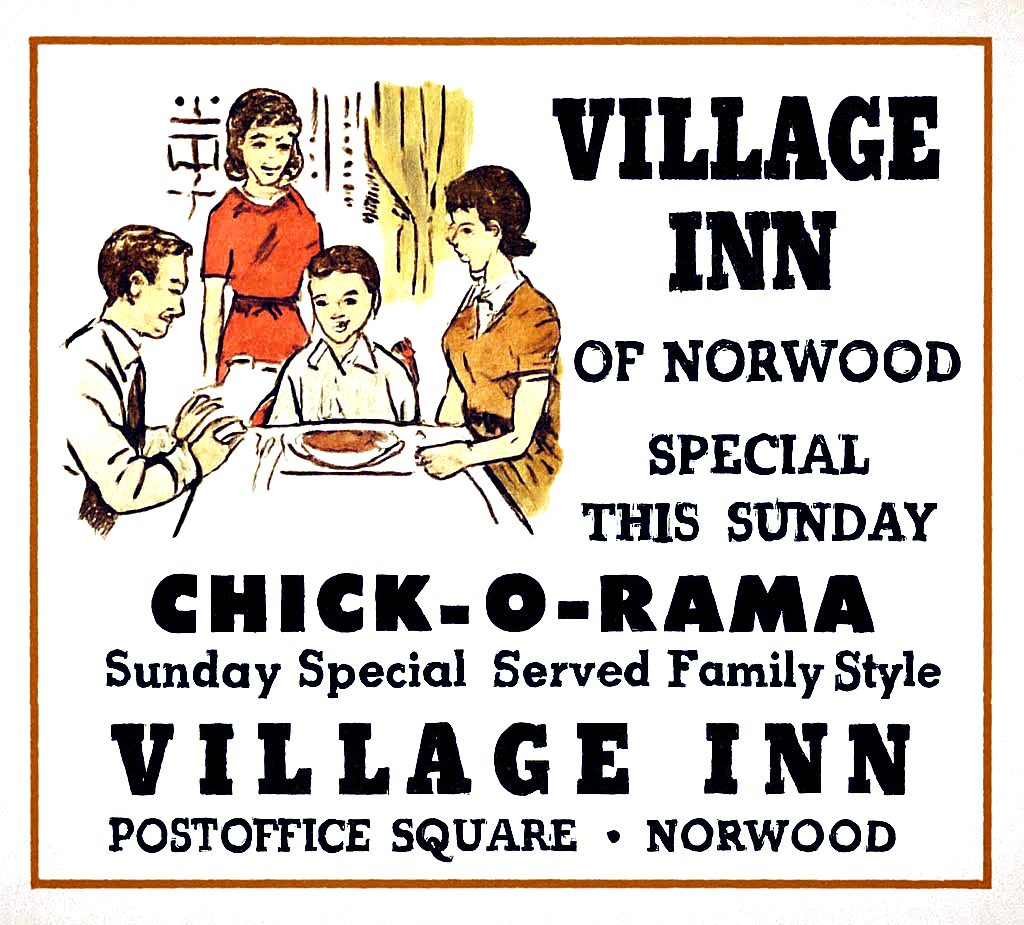
A beloved Guild Square culinary staple prepares for a structural transition as its founding brothers head toward retirement after a 15-year run.
-
Polaroid Studies Route 1A Access Road to Resolve Expansion and Traffic Concerns-November 2, 1977
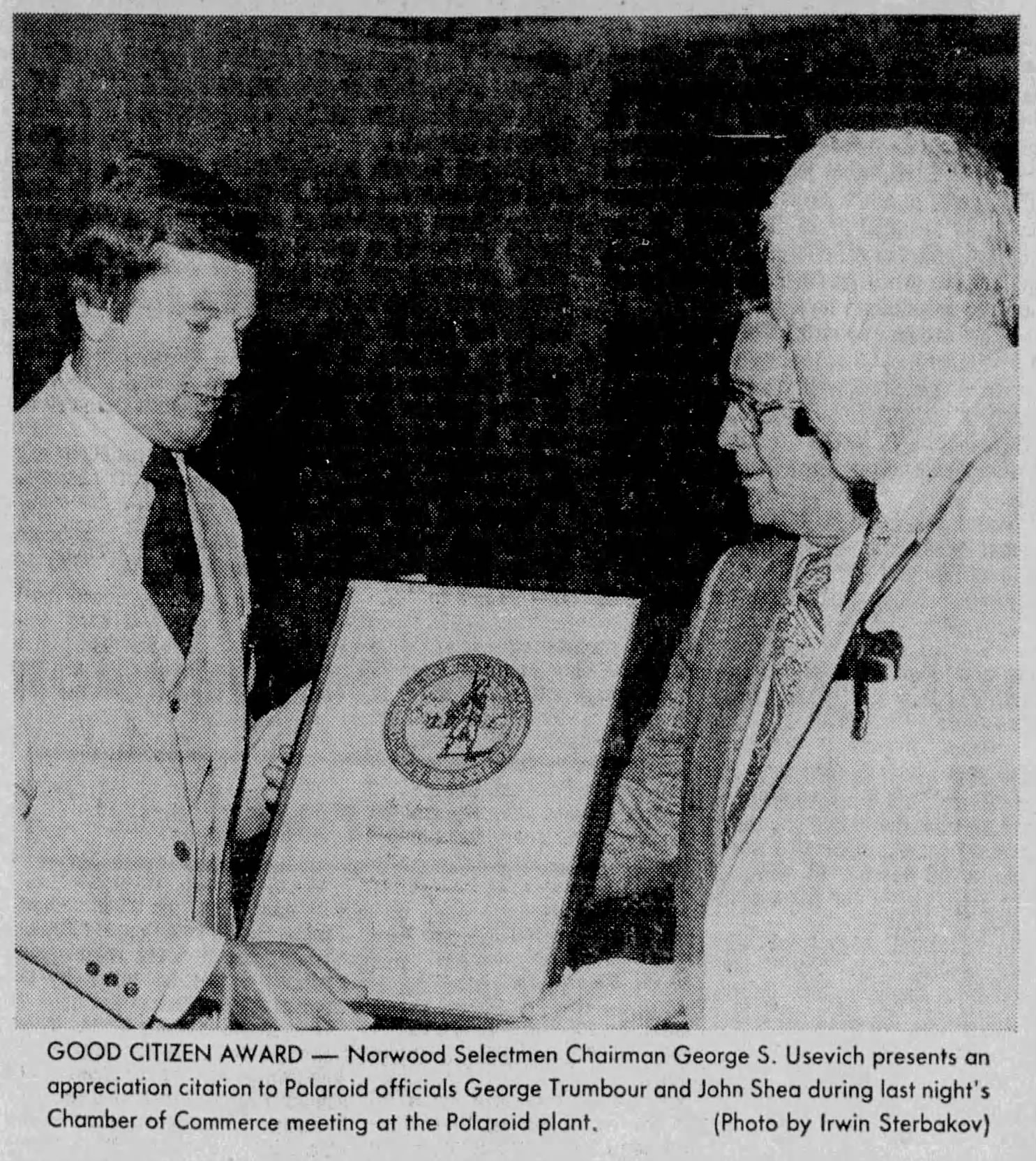
Responding to resident protests over Nahatan Street traffic, Polaroid is studying a Route 1A access artery to clear the way for plant expansions that could grow employment to 5,000.
Discover more from Norwood Historical Society
Subscribe to get the latest posts sent to your email.